Practical information Philippines
Our team based in Manila gathers here the information you'll need to prepare your trip to the Philippines with peace of mind. Upon arrival at Ninoy Aquino Airport, French nationals benefit from a 30-day visa exemption, extendable on-site with the Bureau of Immigration. Your passport must be valid for at least six months after your return date. On the health side, no vaccines are mandatory but hepatitis A, typhoid and updated DTP are recommended. Malaria concerns only certain rural areas of Palawan and Mindanao, dengue is more widespread, plan for an effective repellent. The average budget is between 80 and 130 euros per day per person excluding international flights, meals and accommodation included, mid-range comfort. The Philippine peso (PHP) is easily withdrawn from ATMs in major cities, plan for cash for the small islands. Inter-island travel is by domestic flight (Cebu Pacific, Philippine Airlines, AirAsia) or ferry, never by road beyond a single island. Jean-Luc and our team guide you in choosing regional combinations and transfer logistics. The climate follows two main seasons: dry from December to May, humid from June to November with risk of typhoons especially between August and October. English is spoken everywhere, Philippine culture remains warm and marked by respect for elders. Bottled water, type A and B outlets, decent 4G mobile coverage on tourist routes.
Plan your trip by theme
Explore our practical guides organized by category to quickly find the information you need.

Before You Go
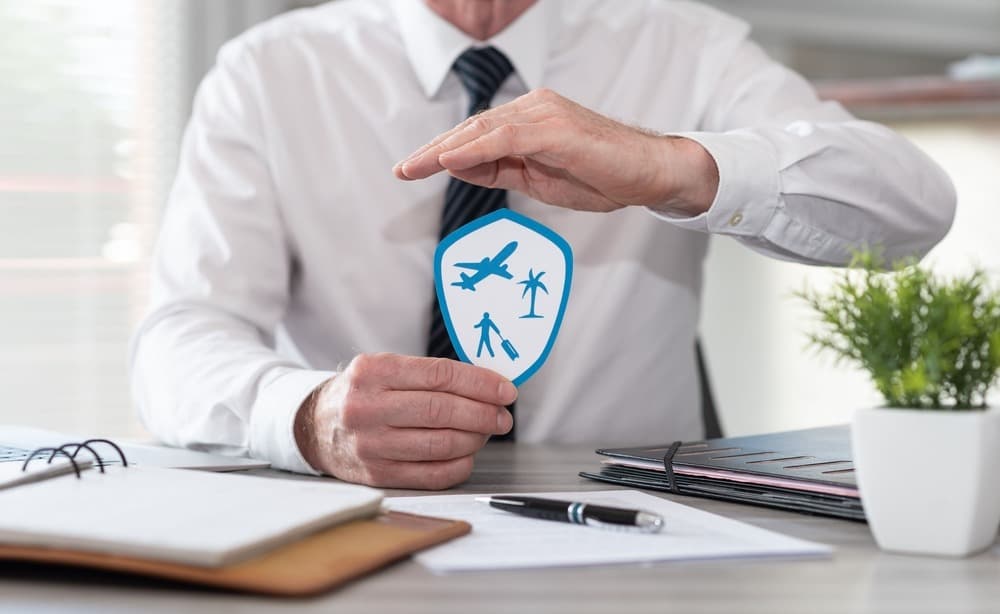
Visa exemption for 30 days, passport valid for 6 months, return ticket required, travel insurance and formalities to arrange before departure.
4 articles
Budget Money
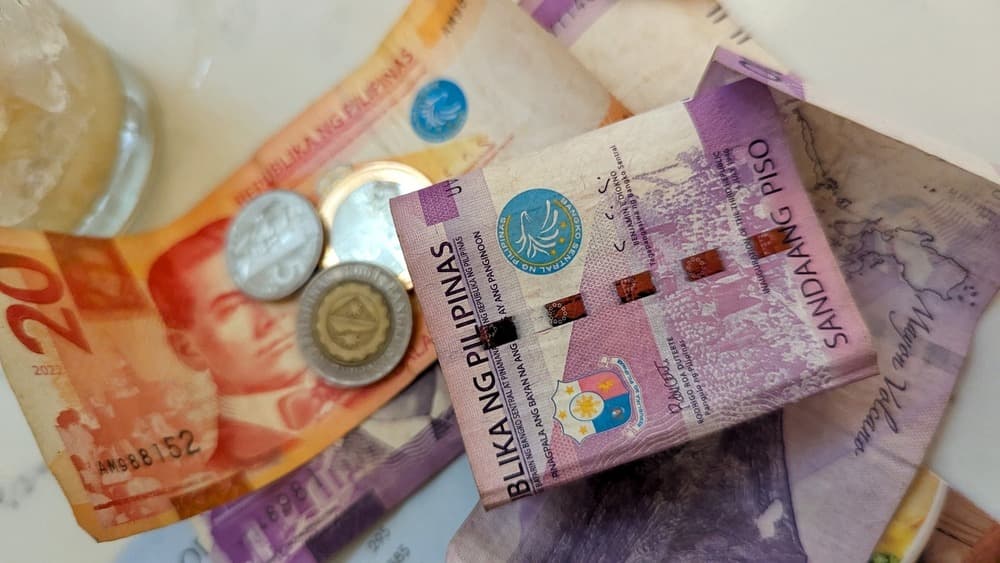
Philippine peso, exchange rate around 60 PHP per 1 euro, budget 80 to 130 euros per day, cards accepted in cities.
2 articles
Climate Season
Dry season December to May, humid season June to November, frequent typhoons August-October, temperatures 26 to 32 degrees.
2 articles
Transports
Domestic flights between islands, ferries for short distances, tricycles and jeepneys in cities, scooter rentals on smaller islands.
3 articles
Culture
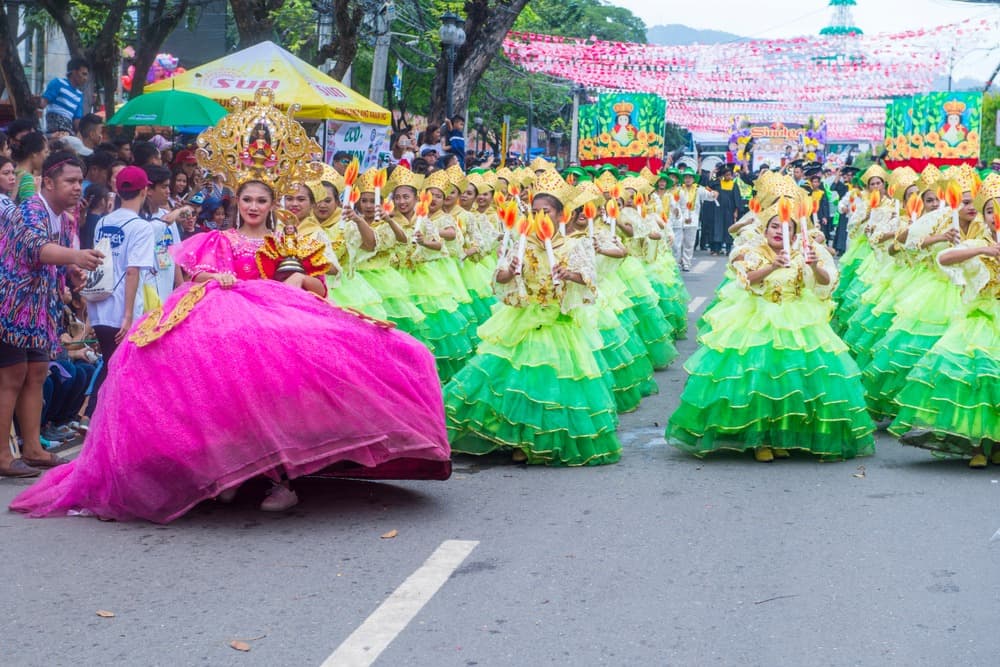
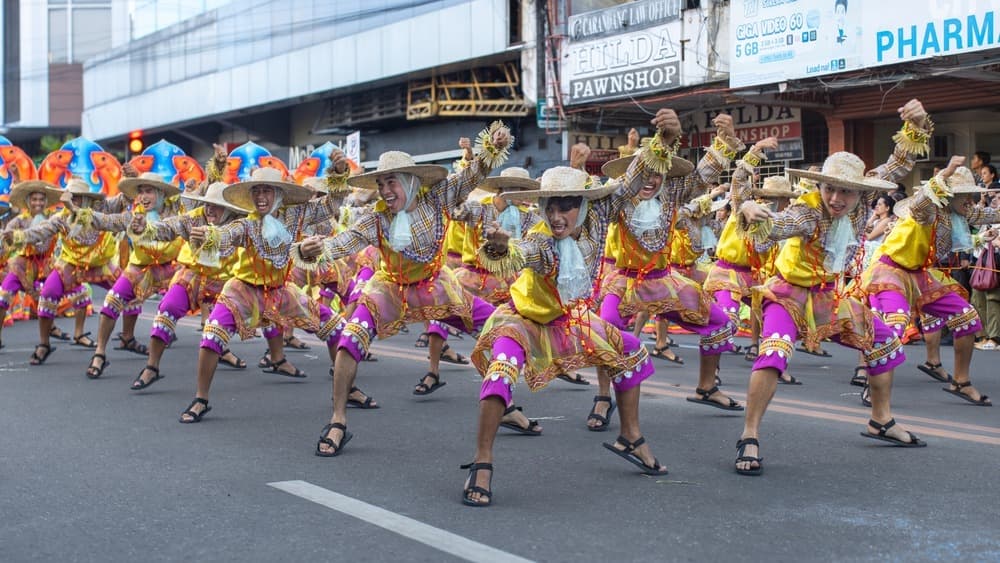
English spoken everywhere, respect for elders, modest dress in churches, warm hospitality and predominantly Catholic culture.
4 articles
Helpful Tips
Bottled water, Type A and B outlets, good 4G coverage on main tourist routes, exercise caution in western Mindanao areas which are not recommended.
7 articlesAll practical guides
Search and filter among 22 articles
18 of 22 results
Frequently asked questions
The answers to the most frequently asked questions from our travellers.
French, Belgian, Swiss, and Canadian nationals benefit from visa exemption for a 30-day tourist stay, granted upon arrival at the airport. Your passport must be valid for at least six months beyond your scheduled return date, and the airline systematically requires an exit ticket from the territory (return or onward travel to another country). Beyond 30 days, an extension is possible through the Philippine Bureau of Immigration, for approximately 60 euros for 29 additional days. Our team in Manila can guide you through the procedure if you plan a longer stay. No fees are required upon arrival for the first 30 days.
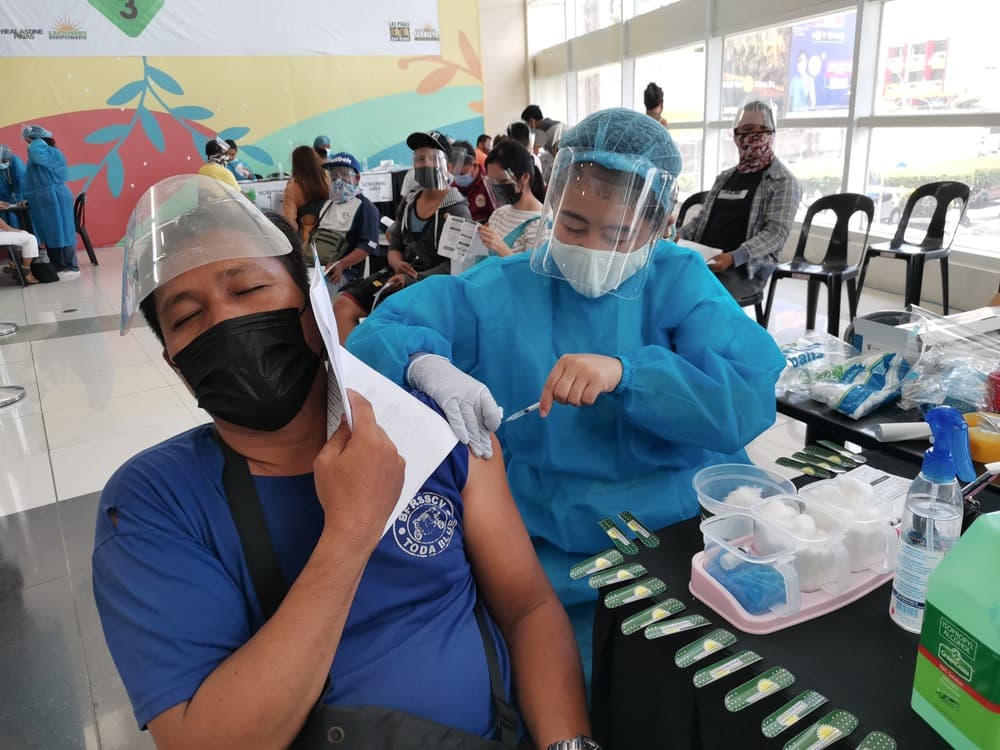
No vaccines are mandatory to enter the Philippines from Europe. The following are recommended: updating your DTP (diphtheria, tetanus, polio), hepatitis A, typhoid, and depending on the duration and areas visited, hepatitis B and rabies. Malaria concerns only certain rural areas of Palawan (interior), Mindanao and Sulu, not standard tourist zones. Dengue, however, is present throughout the archipelago, particularly during the wet season: plan for DEET-based repellent and long clothing in the evening. Consult an international vaccination center 4 to 6 weeks before departure for personalized advice.
Expect between €80 and €130 per day and per person, excluding international flights, for mid-range comfort including accommodation, meals, local transport and activities. For a more budget-friendly option with hostels and local restaurants, €40 to €60 is sufficient. For an upscale version with resorts and guided diving, plan for €180 to €300. A meal at a local carinderia costs €3 to €5, at a tourist restaurant €10 to €18. A private bangka day trip to El Nido runs €80 per boat. Domestic flights range from €40 to €120 depending on the season. Our agency provides detailed budget breakdowns tailored to your itinerary.
The dry season runs from December to May, with peak visitor numbers and heat between March and May (temperatures up to 34 degrees). January to April offer the best balance across the entire archipelago. The wet season runs from June to November, with an increased risk of typhoons between August and October, especially on the east coast and northern Luzon. Palawan remains relatively spared from typhoons. For diving at Tubbataha, the window is very short: mid-March to mid-June only. For surfing in Siargao, the best waves arrive between September and November.
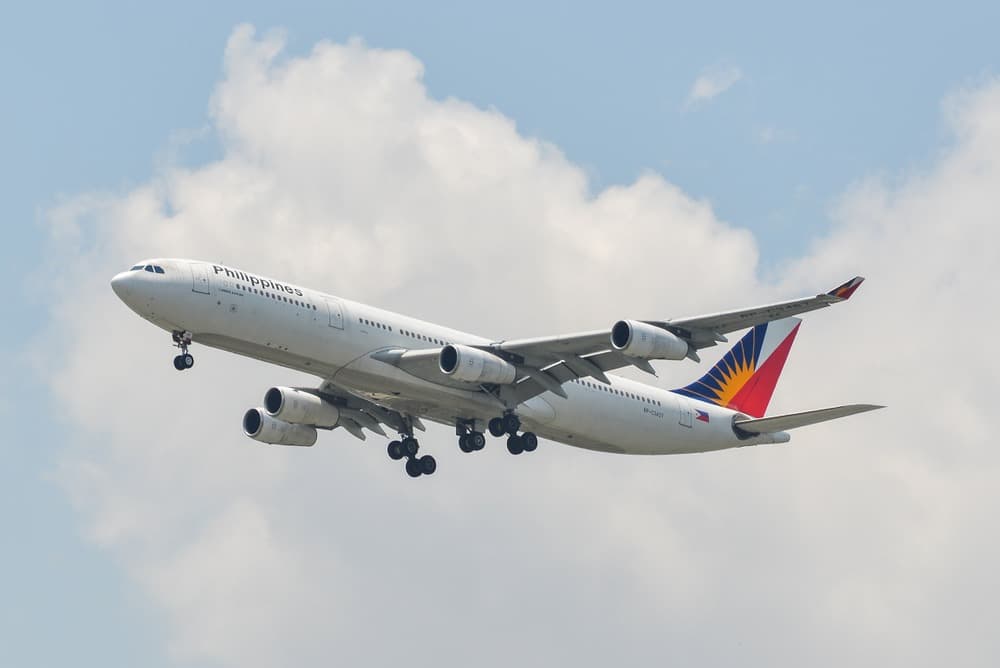
Inter-island transportation is mainly by air via three local carriers: Cebu Pacific, Philippine Airlines, and AirAsia. Manila and Cebu are the two main hubs. Ferries 2GO Travel and OceanJet cover short routes (Cebu-Bohol in 2 hours, for example). Locally, tricycles (motorcycles with sidecars) handle short distances within cities, jeepneys serve as buses, and habal-habal (motorcycle taxis) serve rural areas. On smaller islands like Siargao or Bohol, scooter rentals at 8 euros per day are the most convenient option. Our team organizes all transfers and domestic flights for you to avoid logistical hassles.
The main tourist areas (central and northern Luzon, Visayas, Palawan, Siargao) are safe for travelers, with standard precautions: watch your personal belongings in cities, use official Grab taxis rather than unofficial operators at the airport, be mindful of strong currents on certain beaches. The French Ministry of Foreign Affairs strongly advises against western and central Mindanao as well as the Sulu Archipelago, where we do not offer any itineraries. Manila requires standard vigilance as a major Asian metropolis. The Philippine population is renowned for its warmth and hospitality. Our team in Manila remains available 24/7 during your stay.
Ready to travel to in the Philippines?
Discover our tailor-made itineraries, designed by our local team. Each route adapts to your pace, your preferences and your travel season.
See our toursWe use cookies to improve your experience and measure our site's audience. You can choose what you accept. Learn more.