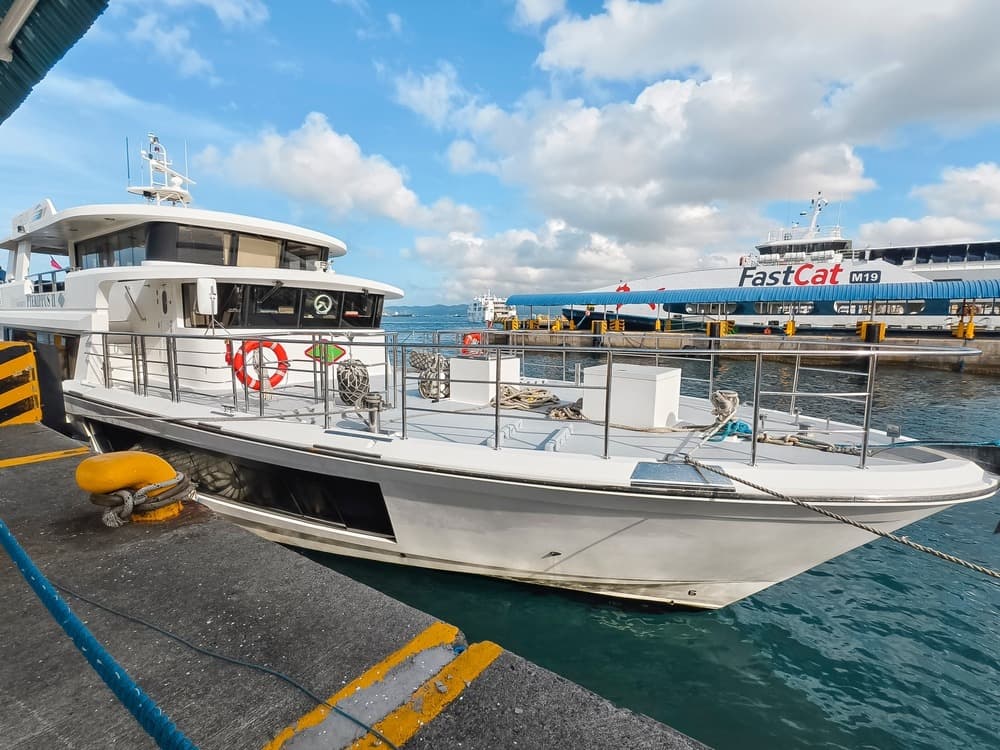
Inter-island Transports
Across an archipelago as vast as the Philippines, moving from one island to another requires flexibility and forward planning. Journeys often combine multiple modes of transport and can be slowed by weather conditions.
Across an archipelago as vast as the Philippines, moving from one island to another requires flexibility and forward planning. Journeys often combine multiple modes of transport and can be slowed by weather conditions. Between swift flights and more immersive water crossings, each journey blends the rhythm of travel itself.
Flight
When to consider it
Flight is the most direct solution for bridging the vast distances of the archipelago. It becomes essential when your time is limited, your itinerary spans multiple distant regions, or you're heading to islands with limited connectivity. With Manila and Cebu serving as primary hubs, it allows you to move easily between major regions and avoid lengthy days of travel.
What to keep in mind
The Philippine aviation network is dense, yet weather can affect punctuality, particularly during the rainy season or typhoon alerts, when flights may be delayed or cancelled. During peak seasons like Christmas or Holy Week, seats sell quickly: it's wise to book early and allow extra time for connections, especially if you're linking with an international flight. Airlines also enforce baggage rules that can be strict, particularly on budget-operated routes.
In brief
Flight remains the fastest and most convenient way to traverse such a vast country, but it comes with a higher budget and dependence on weather conditions.
Ferry
Why choose the ferry?
The ferry is the ideal option for connecting nearby islands or enjoying a slower journey at the rhythm of the sea. It's an economical mode of transport, widely used in the Visayas and on numerous routes not served by air. Depending on the vessels—traditional bangkas, fast ferries, or larger RoRo ships—the experience varies, yet the spirit remains the same: travelling as close as possible to the landscape and local rhythms.
What to anticipate
Traversal frequency depends on seasons, sea conditions, and sometimes the popularity of a route. Faster boats typically maintain short, regular runs, while mixed or long-distance ferries move more slowly, often overnight. Delays and schedule adjustments are possible in rough seas or during weather alerts, especially during the rainy season or major local celebrations, when traffic surges. For popular routes, advance booking is preferable, though buying on site remains common for short crossings.
In brief
The ferry lets you travel affordably and admire the sea in all its colours, but it demands a certain flexibility in the face of weather and congestion.
Flight or ferry—how to choose?
Choosing between flight and ferry depends mainly on your time, budget, and how you wish to travel. To cover great distances or make the most of a short stay, flight is unbeatable: it dramatically reduces travel times and provides easy access to the country's main hubs. The ferry, meanwhile, makes sense when islands are close or when slower movement is part of the travel pleasure. It lets you take in the landscape, observe local life, and lighten expenses, at the cost of greater flexibility regarding sea conditions or season.
Your choice will also depend on the comfort level you're seeking. Domestic flights offer a swift but sometimes costlier solution, while ferries generally provide multiple seating and cabin options, suited to all budgets. Finally, weather plays a significant role in an archipelago subject to winds, tropical rains, and swell variations: during severe weather, both flight and ferry may see schedules altered.
In summary, flight prioritises speed, the ferry immersion. Depending on your priorities—saving time, controlling costs, travelling more slowly, or avoiding long hours of transport—one or the other will naturally emerge as the best choice.
Practical tips for organising inter-island journeys
- Book well in advance during high season or major local celebrations.
- Check the weather the evening before or first thing in the morning, especially during rainy or windy periods.
- Allow extra time between two transports to account for delays or schedule changes.
- Arrive early at the port or airport to avoid queues or last-minute modifications.
Consult local transport apps or airline pages to keep track of updated schedules.