How to Get Around the Philippines?
With over 7,000 islands, traveling across the Philippines means alternating between flights, boats, and land transport. Each option serves a specific purpose: flights to save time, ferries to connect neighboring islands, and local transport to move around cities or between nearby destinations. Here's what you need to know to organize your journeys with ease.
With over 7,000 islands, traveling across the Philippines means alternating between flights, boats, and land transport. Each option serves a specific purpose: flights to save time, ferries to connect neighboring islands, and local transport to move around cities or between nearby destinations. Here's what you need to know to organize your journeys with ease.
Flights
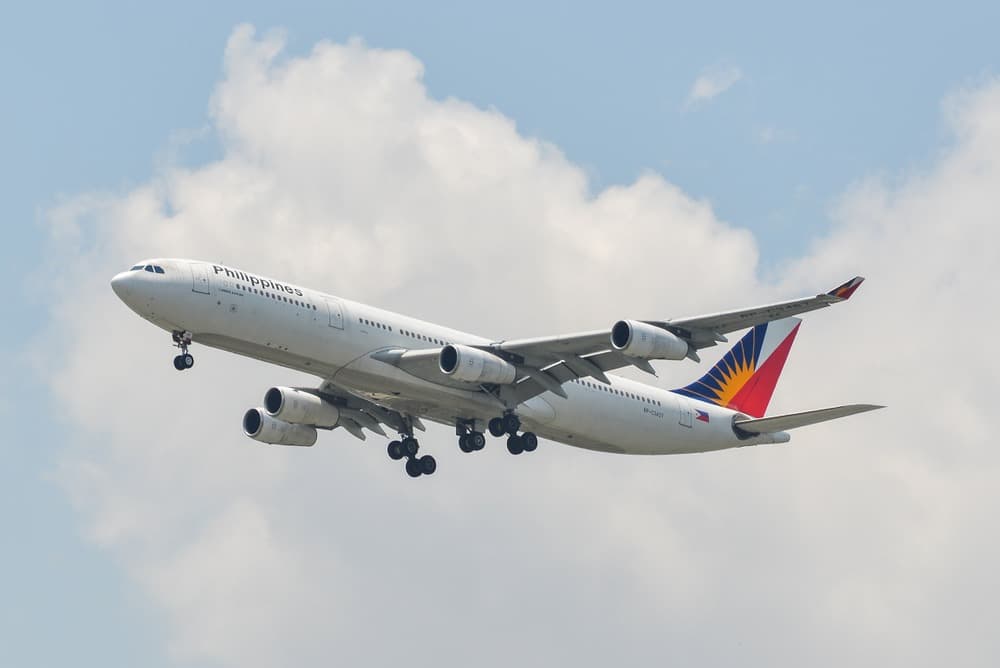
Flights are the fastest way to reach remote islands like Palawan, Siargao, or Mindanao. Philippine Airlines, Cebu Pacific, Air Asia, and Air Swift operate numerous daily connections from Manila, Cebu, or Clark.
This is a practical option for a short itinerary or island-hopping, but delays are common, especially during the rainy season. For stress-free travel, opt for morning flights, book early, and allow a comfortable buffer before an international flight.
Ferry
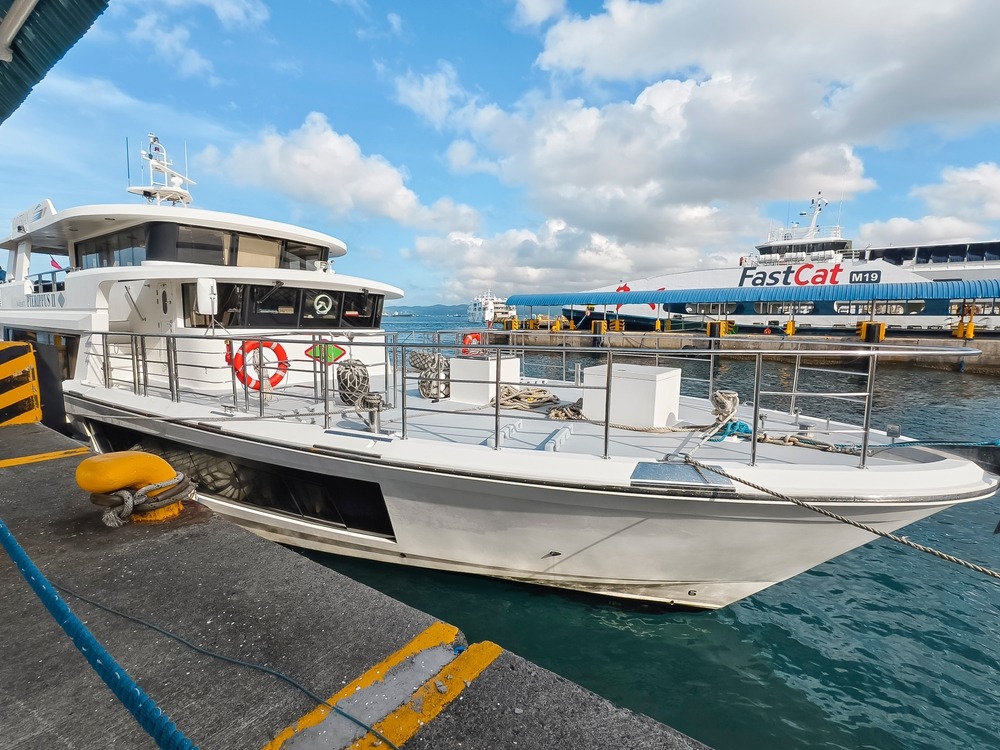
Ferries are essential for traveling between neighboring islands, particularly in the Visayas. Fast craft ferries, traditional ferries, and outrigger boats serve most routes. The main operators include 2Go Travel, OceanJet, Lite Ferries, and Montenegro Lines.
Crossings are economical and often spare you the need for flight transfers. Weather can, however, affect schedules: it's best to book in advance, arrive early at the port, and bring a light jacket due to air conditioning.
Bus
On large islands such as Luzon, Cebu, or Mindanao, buses remain a simple and affordable way to cover long distances. Ceres Liner, Victory Liner, Coda Lines, and Cherry Bus are among the most reliable operators.
Comfort varies by route (air conditioning, reclining seats) and congestion around major cities can extend journey times. For popular routes like Manila–Banaue, advance booking is advisable, and checking the correct departure terminal is essential.
Jeepneys
Iconic symbols of the Philippines, jeepneys offer budget-friendly travel in major cities. They follow fixed routes but have no official stops: you signal the driver to board or alight.
This is an economical and authentic solution for short urban trips, though less ideal if you're in a hurry or carrying luggage. The Sakay.ph app can help you navigate Manila.
Taxis, Ride-sharing, and Motorbike Taxis
Taxis are plentiful in major cities and theoretically operate on the meter. If a fixed fare is quoted, request the meter to be activated before boarding.
Ride-sharing services like Grab and JoyRide offer a simpler alternative, with fares shown upfront and comfortable pickups.
Motorbike taxis (habal-habal, Angkas, GrabBike) are useful for bypassing traffic or reaching less accessible areas. They're quick and economical, but require caution, especially in wet weather; helmets are mandatory.
Car Rental
Car rental is available in Manila, Cebu, or Palawan through local or international agencies. It offers great freedom to explore rural areas, but driving can be demanding: dense traffic, sometimes poor road conditions, and unpredictable local driving practices.
Many travelers prefer hiring a car with driver, a common and often more comfortable option. An international driving permit is recommended, and it's best to avoid driving at night.
Scooter / Motorcycle
Scooters are among the most common means of transport on tourist islands like Siargao, Bohol, and Palawan. At around 500 to 700 pesos per day, they allow you to circulate freely and explore at your own pace.
Since two-wheeler accidents are frequent, wearing a helmet is essential, as is driving carefully and possessing a valid permit. In remote areas, renting from locals is possible, but requires basic caution.
Private Transfers
Private vans and cars are very common in tourist areas. They offer simple, door-to-door journeys and are ideal for families, groups, or travelers with baggage.
Rates vary by distance but remain reasonable given the comfort and time savings. This option is convenient for reaching an airport, port, or city not well served by public transport.
Getting Around Manila
The capital receives most international arrivals, and traffic can be dense. The MRT/LRT allows quick movement on certain routes, while taxis, Grab, and JoyRide remain the simplest options for reaching accommodation or a shopping mall.
Rush hours (7am–10am and 4pm–8pm) are particularly heavy. For flight connections, airport shuttle buses between NAIA terminals simplify transfers, but it's wise to allow a generous buffer.