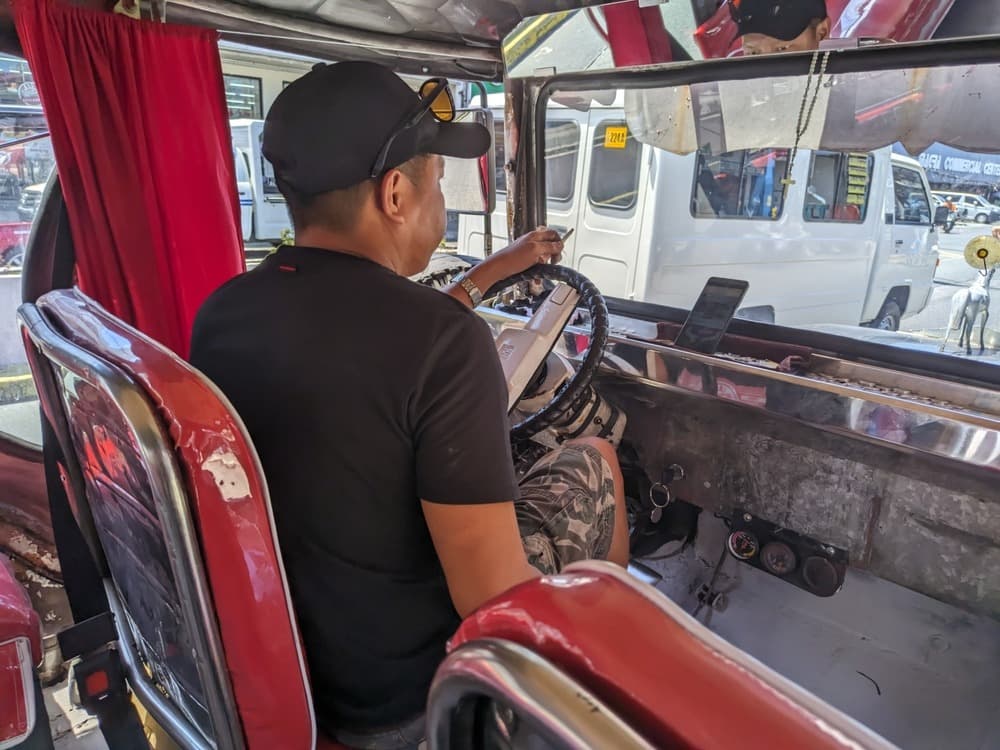
Driving in the Philippines
Driving in the Philippines can offer genuine freedom, but the experience requires thorough preparation. Between dense traffic, roads sometimes in poor condition and driving behaviors quite different from what you're accustomed to, it's essential to understand the rules and on-the-ground reality before taking the wheel.
Driving in the Philippines can offer genuine freedom, but the experience requires thorough preparation. Between dense traffic, roads sometimes in poor condition and driving behaviors quite different from what you're accustomed to, it's essential to understand the rules and on-the-ground reality before taking the wheel.
Licenses, Insurance and Legal Framework
If you're considering renting a car or scooter, be aware that rental companies don't always ask for the appropriate documents, but this doesn't mean everything is permitted. The law can be strictly enforced at traffic stops, and fines can be substantial.
A national driver's license written in English may suffice for a short stay, but most rental companies require an international driving permit, particularly for two-wheelers. In the event of an accident, insurance may refuse to cover you if you don't have the proper license. Checks are frequent in tourist areas, and fines for driving without an international permit typically range from 2,000 to 5,000 PHP.
Since local insurance coverage is limited, it's recommended to verify that your travel insurance includes driving, particularly for motorcycles.
Road Types and Conditions
The Philippine road network is highly variable. In major cities like Metro Manila, roads are congested and deteriorating, with potholes, unfinished construction and lanes obstructed by poorly parked vehicles.
Main arteries (EDSA, C5, Commonwealth Avenue) are wide but constantly congested. Outside urban centers, provincial roads often have uneven surfaces, unexpected obstacles, or even unpaved sections. In rural areas, few roads connect villages and it's common to have to navigate around livestock or crops left on the roadway.
Highways (NLEX, SLEX and others) are in better condition; they operate with tolls and an RFID system to streamline passage, though cash payment is still possible.
During the rainy season, some roads become slippery or impassable due to flooding.
Traffic and Driving Habits
The driving style is often intuitive, poorly regulated and marked by frequent overtaking, sudden lane changes and very common horn use to signal presence. Jeepneys, buses, tricycles and motorcycles make up a large part of traffic and can stop or change direction without warning.
In cities, speed is low and traffic jams are daily. Lack of organization (anarchic parking, non-functioning traffic lights, permanent construction) makes traffic often unpredictable. In rural areas, expect to encounter pedestrians, animals and various obstacles in the middle of the road.
Night driving is particularly risky: many areas without street lighting, poorly maintained roads and reduced visibility.
Scooter, Motorcycle or Car
Many travelers rent scooters easily, sometimes only against their passport. This ease, however, masks several risks: unpredictable checks, fines, no coverage in case of accident, limited infrastructure, and frequent accidents involving motorcycles.
Key points to keep in mind:
- wearing a helmet is essential, even if it's not always the case locally;
- many accidents occur due to uneven or poorly lit roads;
- low-clearance scooters are unsuitable for provincial roads or after rain;
- a taller vehicle (SUV, crossover) is often safer and better suited.
Practical Tips for Safe Driving
The Philippines can surprise even experienced drivers. A few simple reflexes allow you to anticipate the most common situations.
Useful tips:
- Adapt your speed to traffic flow: in cities and villages, traffic is slow and unpredictable.
- Always maintain a large safety distance.
- Keep your documents (license, international permit, copy of passport) accessible.
- Stay alert near schools, markets, intersections and jeepney stops.
- Use Waze or Google Maps to avoid congested areas, but don't handle your phone while driving.
- Avoid night driving as much as possible.
- During rainy season, systematically check road conditions (flooding, landslides).
For longer trips, or if you wish to avoid fatigue, it's often safer and simpler to opt for a local driver.
