Health and Vaccines for a Trip to the Philippines
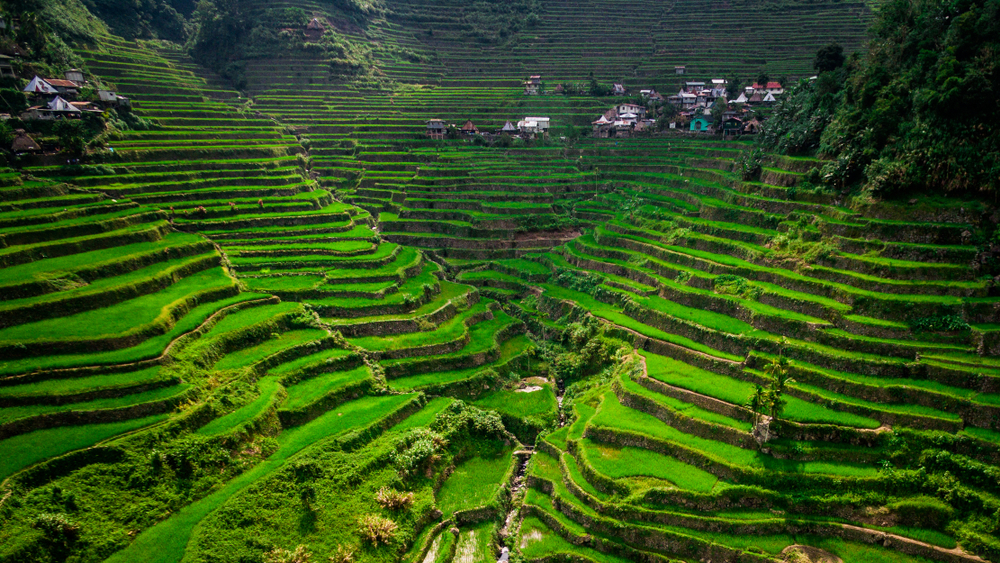
Traveling to the Philippines means diving into an archipelago where humid air meets the scent of sea salt, where terraced rice paddies give way to beaches lined with coconut palms. In this trop
Traveling to the Philippines means diving into an archipelago where humid air meets the scent of sea salt, where terraced rice paddies give way to beaches lined with coconut palms. In this tropical setting, traveler health rests on a few simple reflexes: up-to-date vaccines, protection against mosquitoes, food awareness, and thorough preparation before departure. Nothing alarming—simply the art of traveling peacefully under the tropics.
Recommended vaccines
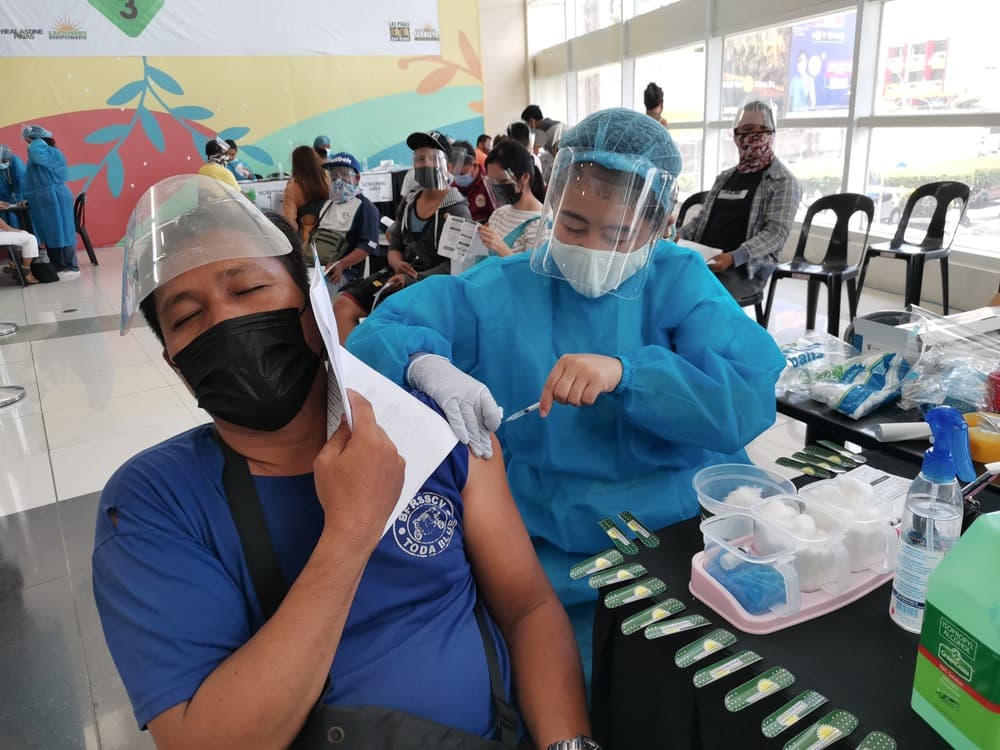
Before you go, make sure your routine vaccines are up to date. They form the foundation for any trip abroad, and even more so in a tropical climate.
Essential vaccines
- Diphtheria, tetanus, polio, pertussis
- Measles (especially for children)
- Hepatitis A, strongly recommended due to food-related risk
For certain profiles—long stays, volunteer work, off-the-beaten-path itineraries—your doctor may recommend additional protection.
Depending on your trip
- Hepatitis B: prolonged stays, medical care, at-risk activities
- Typhoid: itinerant travel, meals outside tourist zones
- Rabies: hiking, isolated villages, contact with animals (common)
- Japanese encephalitis: stays in rice paddies and rural areas, rainy season
Health tip: For specific vaccines, an appointment at a travel vaccination center allows you to get precise advice based on your itinerary.
Yellow fever
- No risk in the archipelago
- Vaccine not required if arriving from Europe
- Certificate required only if transiting (>12 hours) or arriving from a high-risk country
Mosquito-borne illnesses
In the Philippines, mosquitoes are part of the landscape, especially during the wet season. Good protection is generally enough to enjoy your stay.
Main risks
- Dengue
- Chikungunya
- Zika virus (caution for pregnant women)
- Malaria (low in tourist areas, more significant in Palawan and the south)
Best practices
- Tropical repellent
- Long clothing at dusk
- Mosquito net or air conditioning
- Antimalarial treatment if prolonged stay in rural area (on medical advice)
This vigilance is all the more useful since dengue has neither vaccine nor preventive treatment.
Hygiene, water, and food
Philippine cuisine is one of the great pleasures of traveling there. To enjoy it fully, a few simple habits will suffice.
Water and beverages
- Bottled water with a seal, hot drinks, or canned beverages
- Avoid tap water and uncertified ice
At the table
- Choose well-cooked dishes served hot
- Fruit you peel yourself
- Clean hands or hand sanitizer before meals
Street food is a must-try: choose busy stalls where products turn over quickly and hygiene is visible.
If you experience digestive discomfort, hydration is key; if symptoms persist or are accompanied by fever, see a doctor.
Access to care and travel insurance
In major cities, private facilities are well-equipped with qualified staff. However, on isolated islands, access to care can be limited and may require transfer to Manila or Cebu.
Things to prepare
- Insurance covering medical expenses and evacuation
- Your assistance provider's contact details
- A small personal kit: bandages, antiseptic, anti-diarrheal, insect repellent, personal medications
Traveler tip: For diving, trekking, or sea excursions, verify that your insurance covers these activities.