Complete guide to the Philippines
Our local agency, based in Manila, has been accompanying English-speaking travelers through the Philippine archipelago for years. With 7641 islands spread across three main regions (Luzon in the north, the Visayas in the center, Mindanao in the south), the country requires some preparation to be approached with peace of mind. We design itineraries that combine a maximum of one to three islands, as each transfer involves a domestic flight or ferry.
In the north, the Cordillera of Luzon is home to the terraced rice fields of Banaue and Batad, UNESCO-listed, at 1500 meters altitude. Lower down, Vigan preserves rare Spanish colonial architecture in Southeast Asia. In the center, the Visayas concentrate the finest diving spots: Apo Reef, Tubbataha, Moalboal canyon and its sardines, Malapascua and its thresher sharks. Palawan, to the west, lines turquoise lagoons, the karst cliffs of El Nido and the underground river of Puerto Princesa. In the south, Siargao attracts surfers to Cloud 9 and Mindanao offers little-visited volcanic landscapes.
The cuisine blends Malay, Chinese and Spanish influences: adobo, sinigang, lechon, halo-halo. English is spoken everywhere, which facilitates exchanges. For a first trip, we recommend 15 to 18 days to combine two regions without rushing. Our team in Manila adjusts each itinerary according to your interests: diving, trekking, culture, beaches or a mix of all four.
The regions of Philippines
Each region has its own personality: climate, landscapes, pace of life and ways of traveling. Our local team helps you choose the combination that suits you.
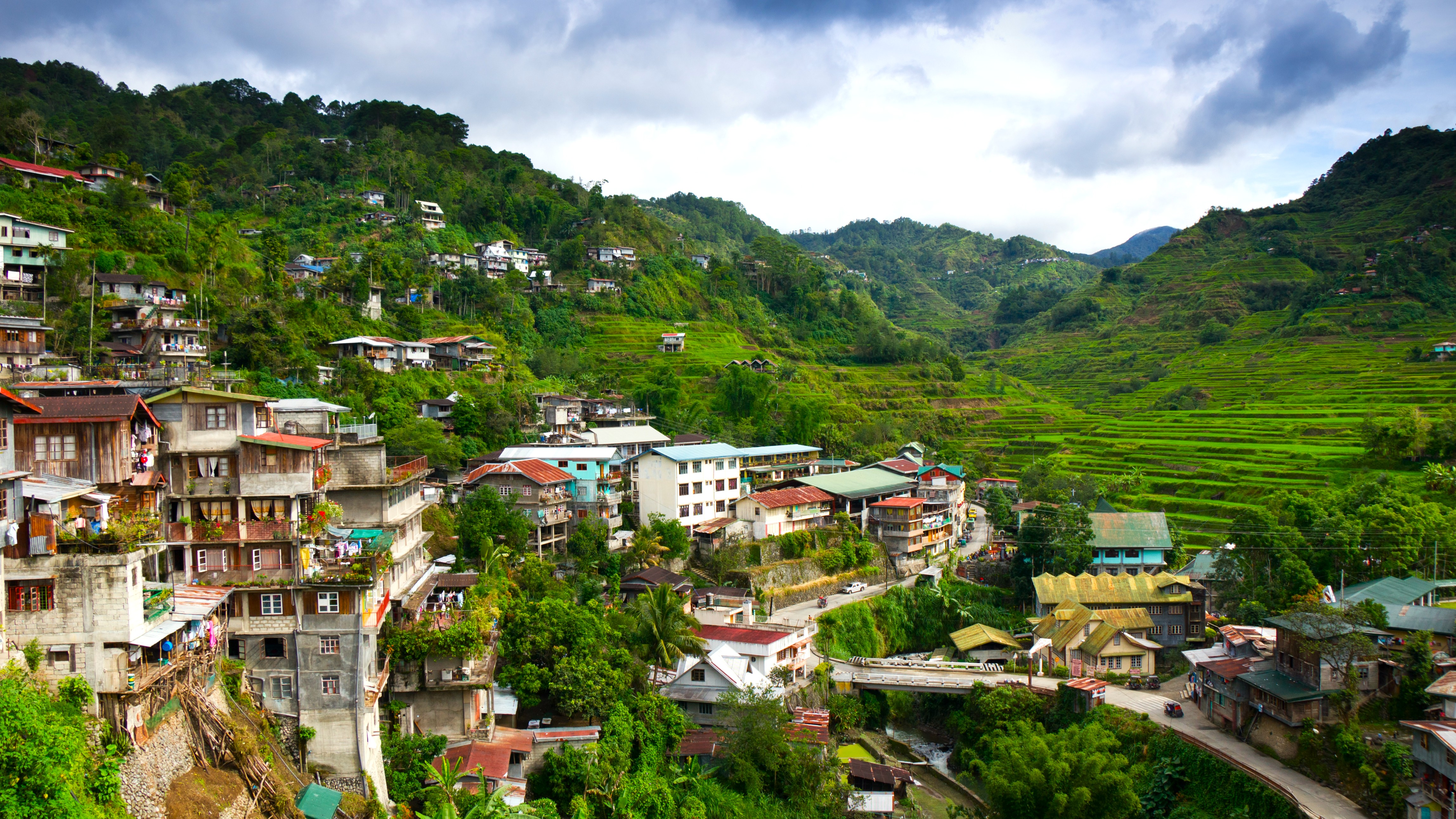
Luçon North
The great northern island brings together Manila, the sprawling capital, and the country's most contrasting landscapes. In the Cordillera, the terraced rice fields of Banaue and Batad are discovered on foot over two to three days of trekking, between Ifugao villages and hot springs. Vigan, on the west coast, retains its calesas and cobblestone streets from the Spanish era. Further south, the Mayon volcano rises its perfect cone at 2,462 meters above Legazpi. Allow 6 to 8 hours of driving from Manila to reach the Cordillera, as distances can be deceptive on maps.
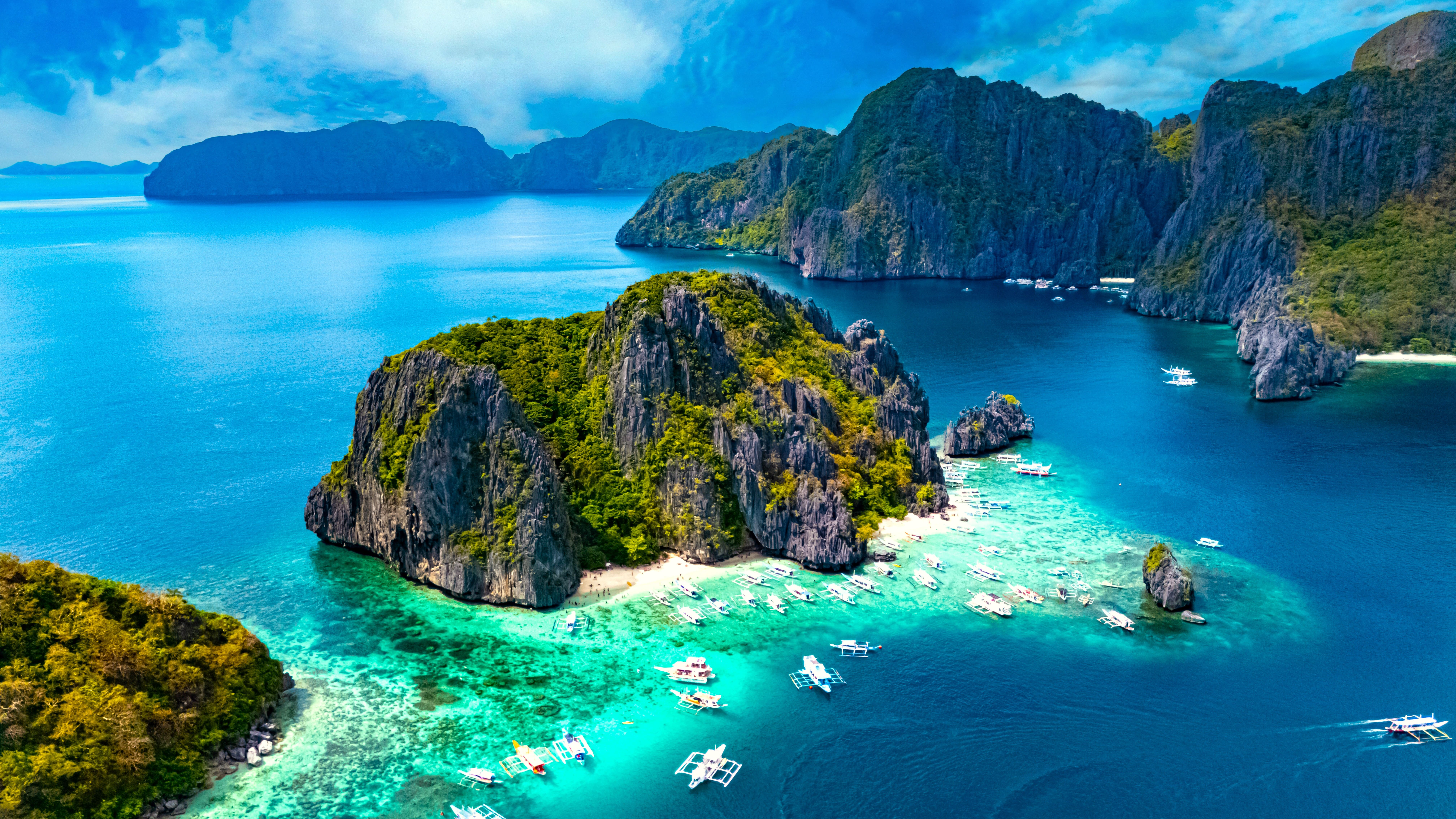
Palawan
The long island to the west of the archipelago concentrates the most striking seascapes. At El Nido, bangkas glide between the limestone cliffs of the Bacuit archipelago, toward the lagoons of Miniloc and Matinloc. Coron, further north, holds within its waters the Japanese wrecks of 1944, accessible for both scuba diving and snorkeling. In the center, the underground river of Puerto Princesa runs through 8 kilometers of cave. The south, around Port Barton and Balabac, remains more off the beaten path. Dry season from November to May, temperatures around 28 to 32 degrees year-round.
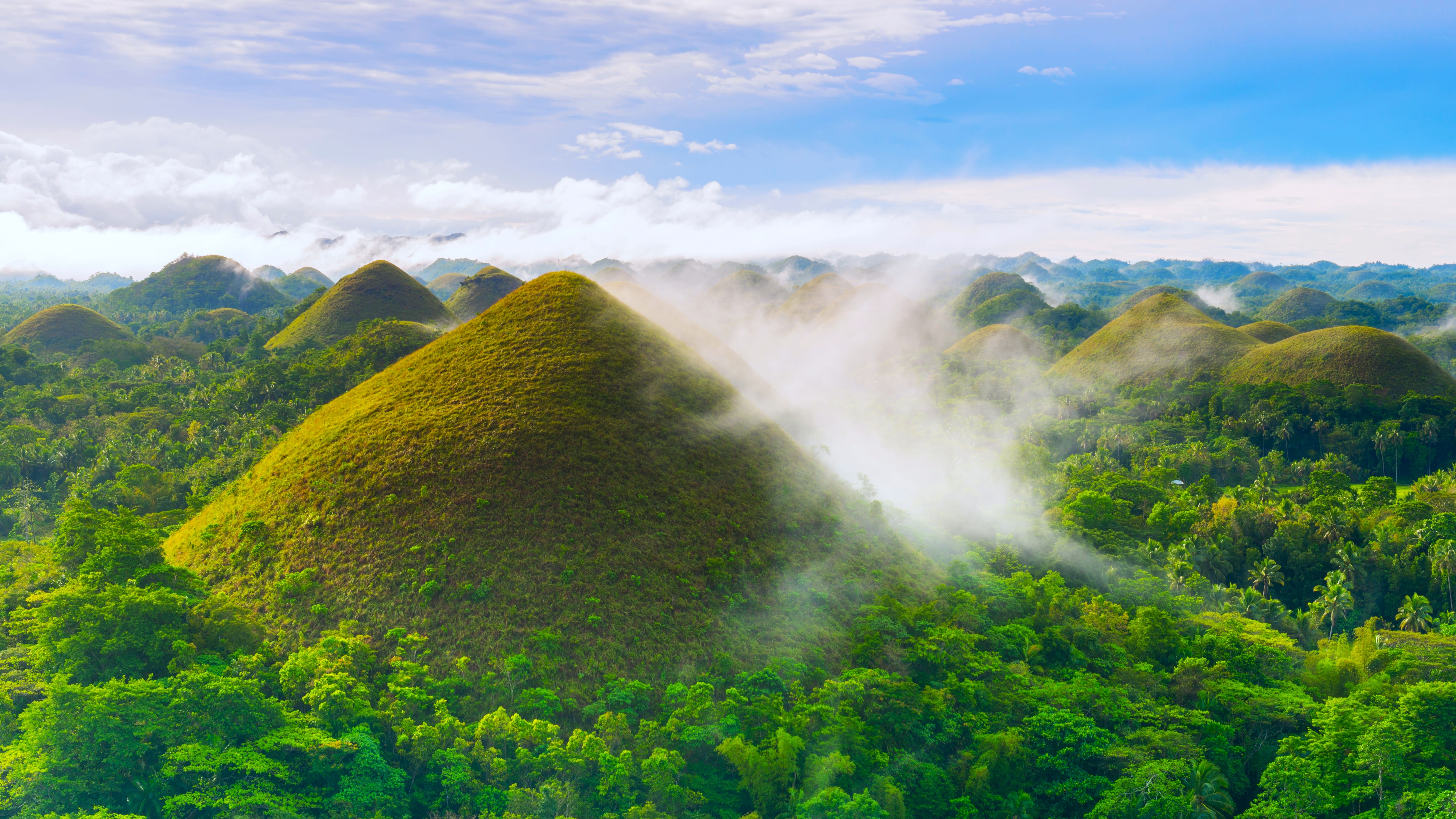
Central Visayas
Cebu, Bohol, Negros and Siquijor form the heart of the archipelago, easily combined by ferry. In Bohol, the Chocolate Hills unfold 1,268 conical hills, and the Loboc forest is home to tarsiers, 12-centimetre primates. Cebu serves as an aerial hub and provides access to Moalboal for swimming with sardines, to Oslob for whale sharks, to Kawasan Falls for canyoning. Siquijor retains a more laid-back atmosphere, between waterfalls and white sand beaches. Allow two to three hours by ferry between the main islands.
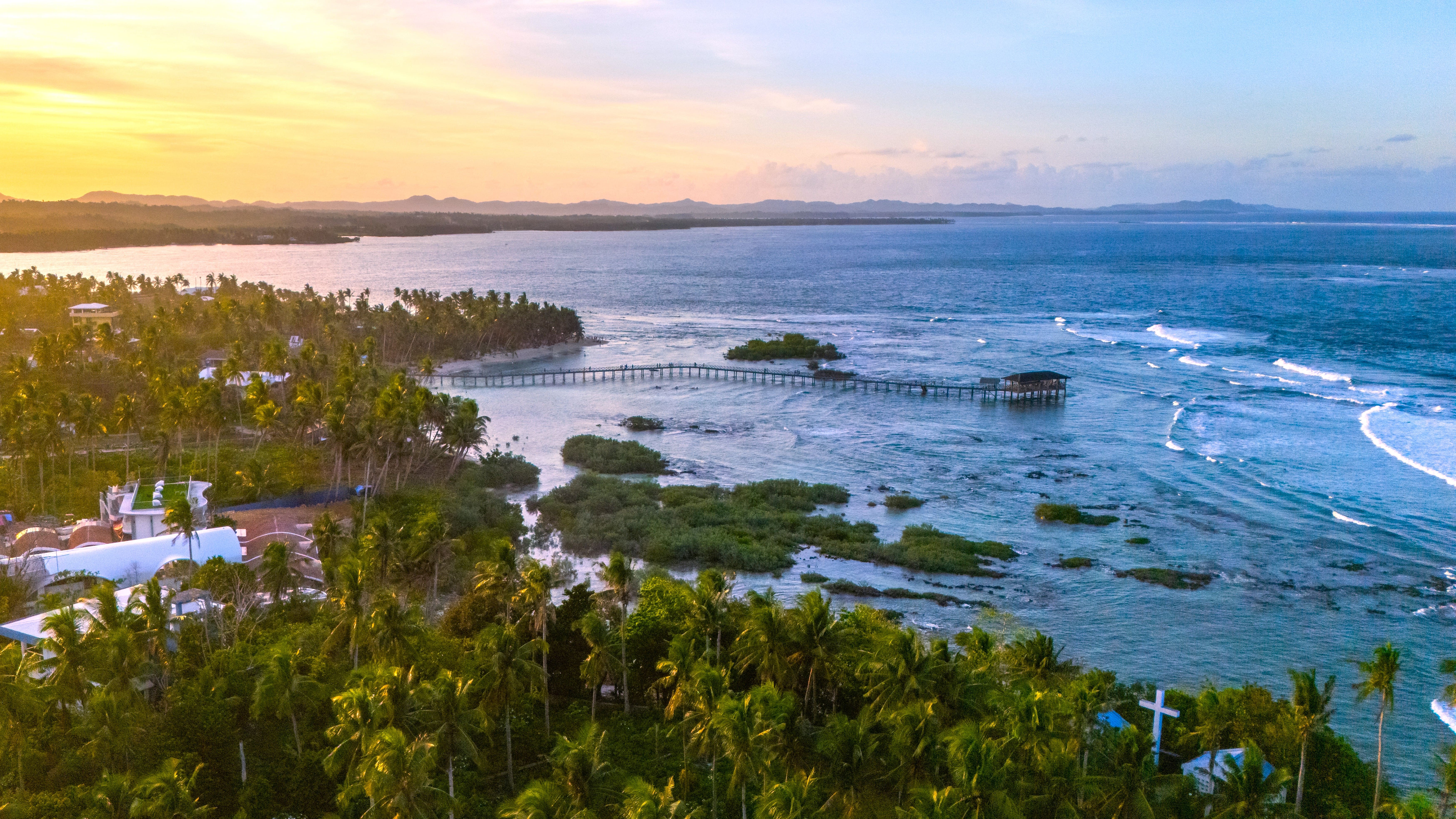
Siargao and Mindanao
Siargao, tear-shaped off the northeast coast of Mindanao, has become the Philippine capital of surfing with the Cloud 9 wave. Outside swell season, explore the island by scooter between Magpupungko and its natural pools, Naked Island, and the mangroves of Del Carmen. Mindanao itself, much larger, remains less visited: Mount Apo peaks at 2,954 meters, while Lake Sebu in the south is home to T'boli culture. Certain areas in western Mindanao are subject to travel advisories; our English-speaking team will guide you toward open regions.
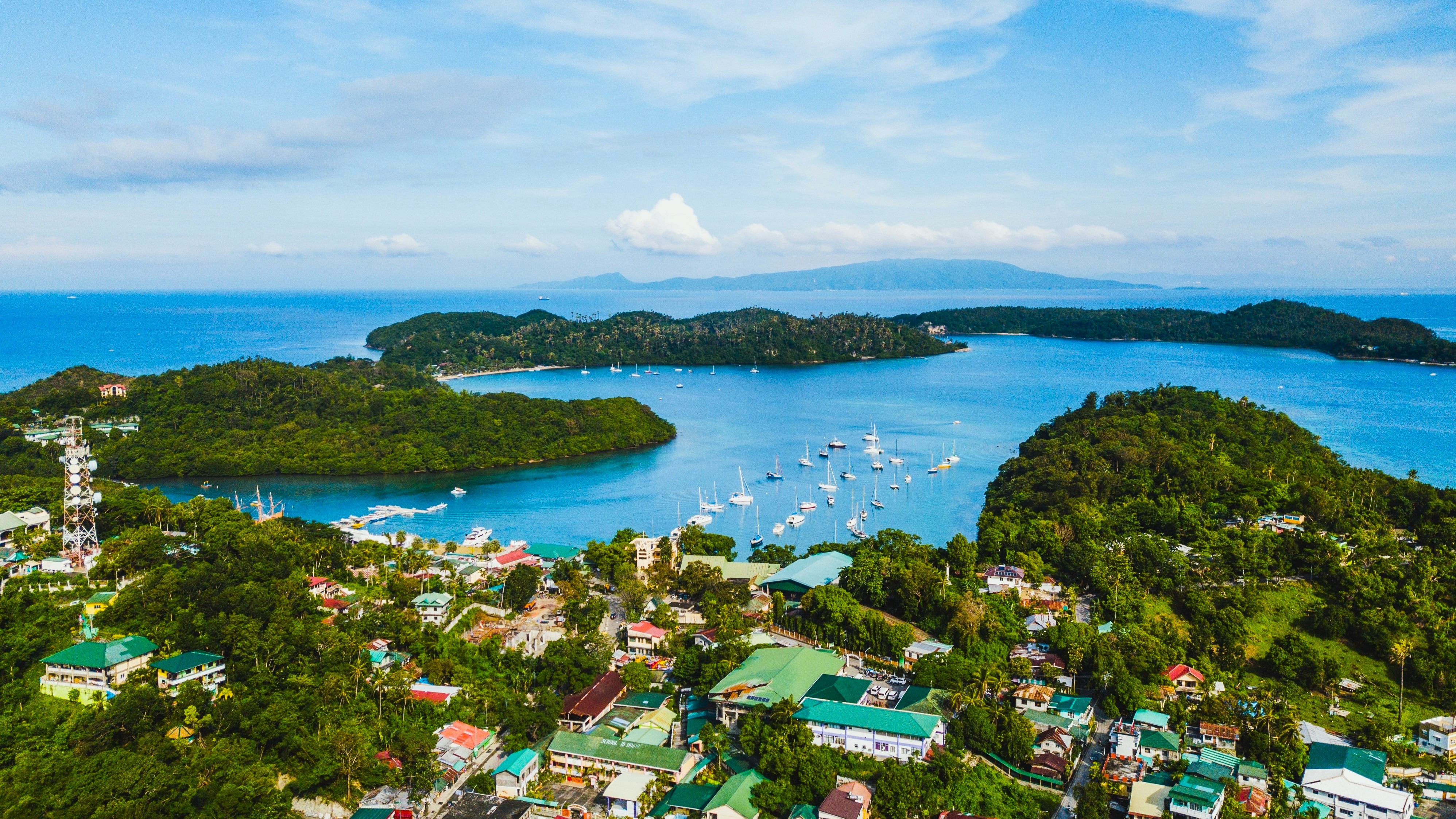
Mindoro and Romblon
Three hours by boat south of Manila, Mindoro remains understated. Puerto Galera offers year-round accessible diving, designated a UNESCO biosphere reserve. Apo Reef, the world's second largest continuous coral reef after the Great Barrier Reef, is reached by a three-day cruise from Sablayan. Further east, Romblon and its neighboring islands of Sibuyan and Carabao retain deserted beaches and a slower pace of life. A great option for those wanting to extend a Luzon-Palawan itinerary without taking another flight.
Explore by theme
Unique experiences tailored to every traveler.
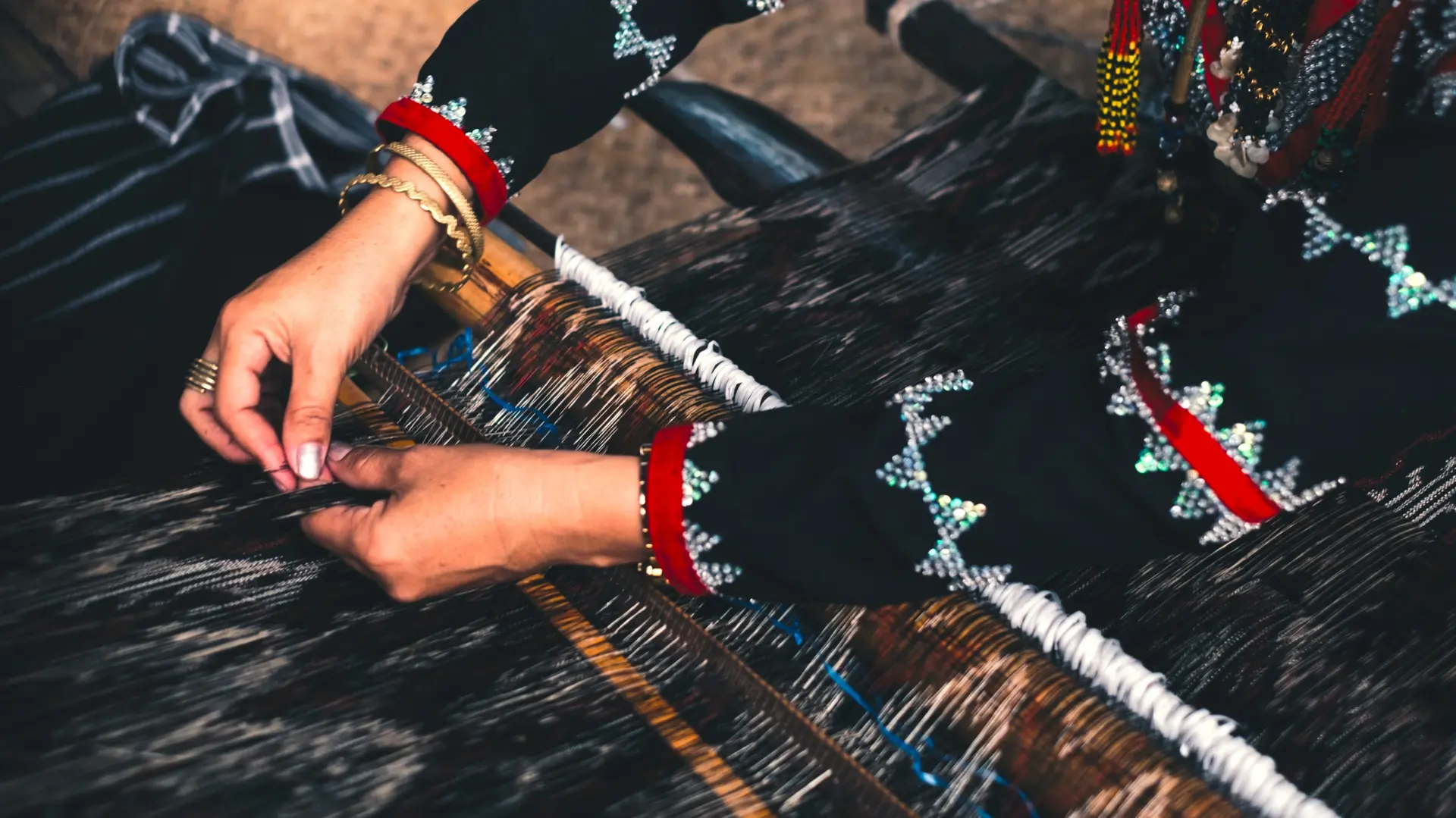
Culture & Heritage
Temples, musées, sites historiques
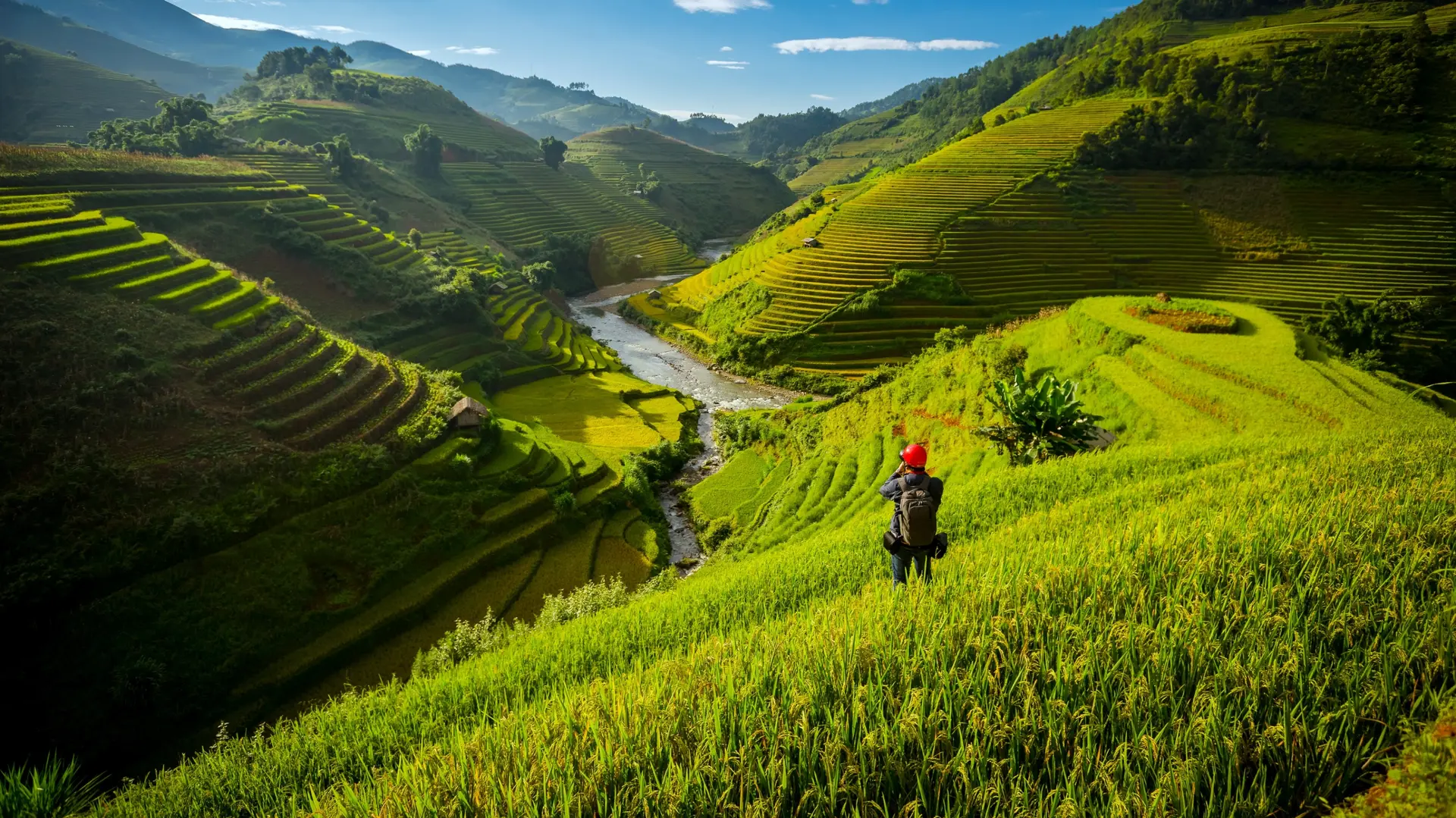
Nature & Landscapes
Parcs nationaux, montagnes, forêts
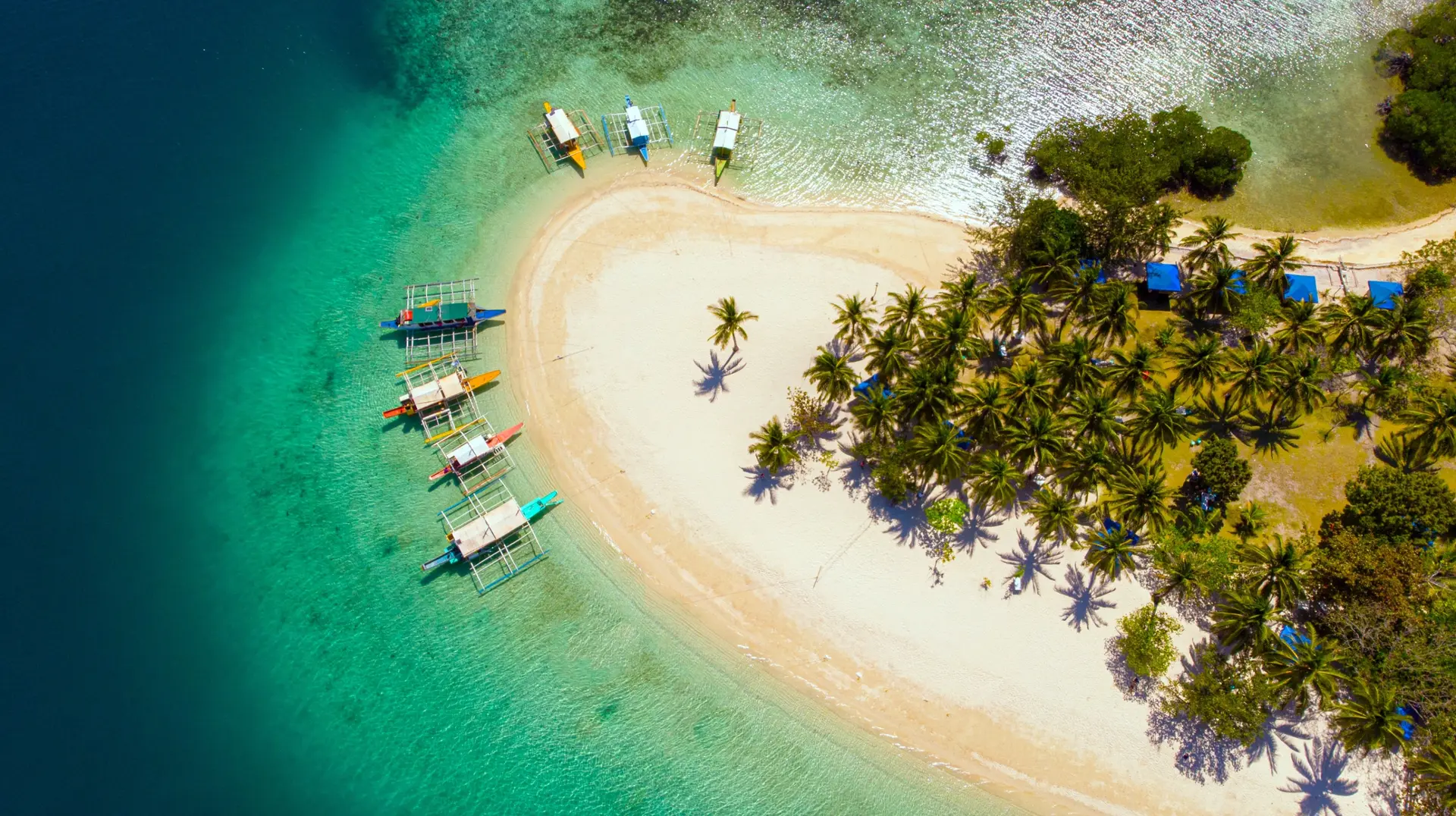
Sea & Beaches
Littoral, îles, sports nautiques
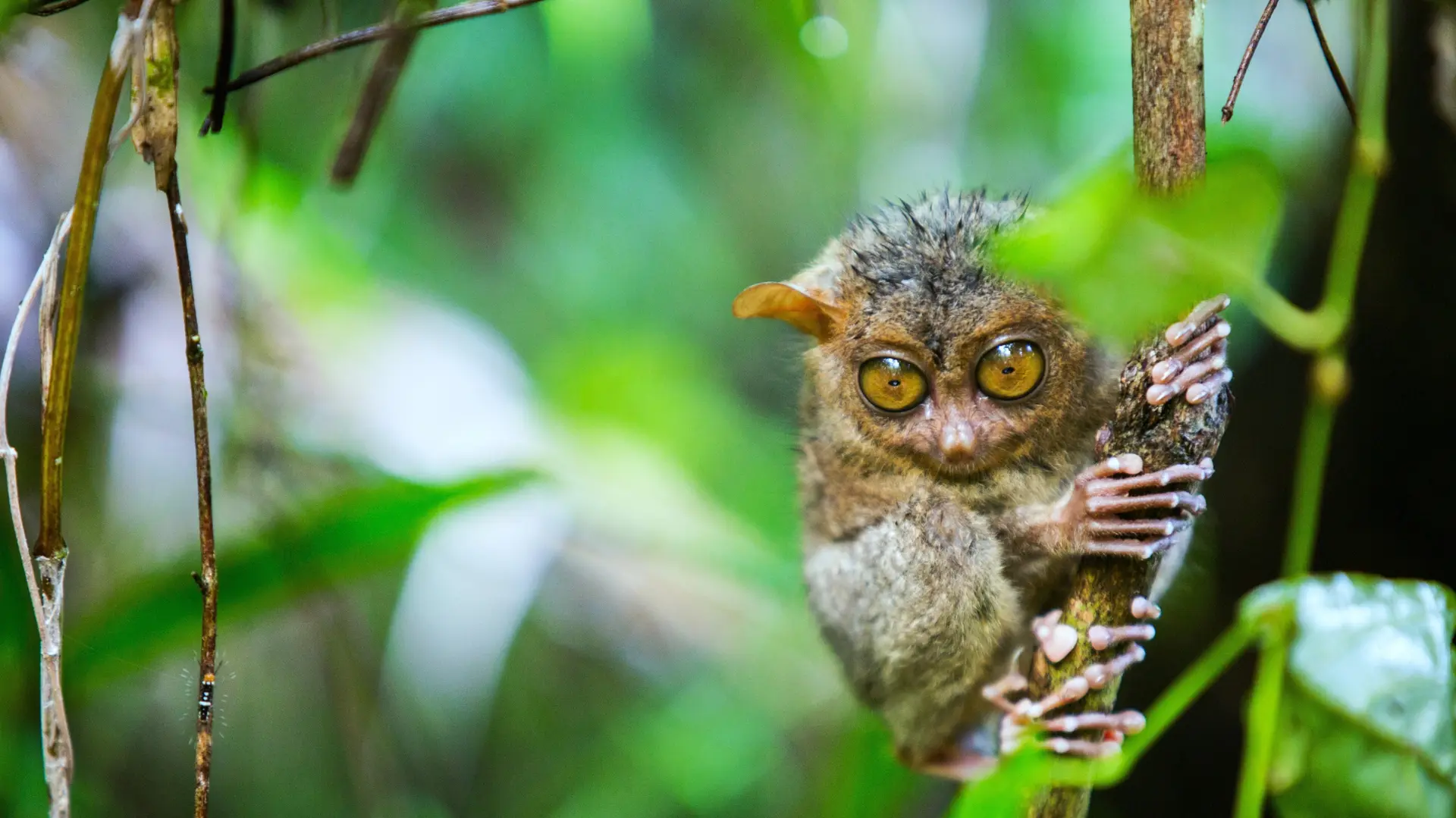
Wildlife & Biodiversity
Observation animale, sanctuaires, réserves
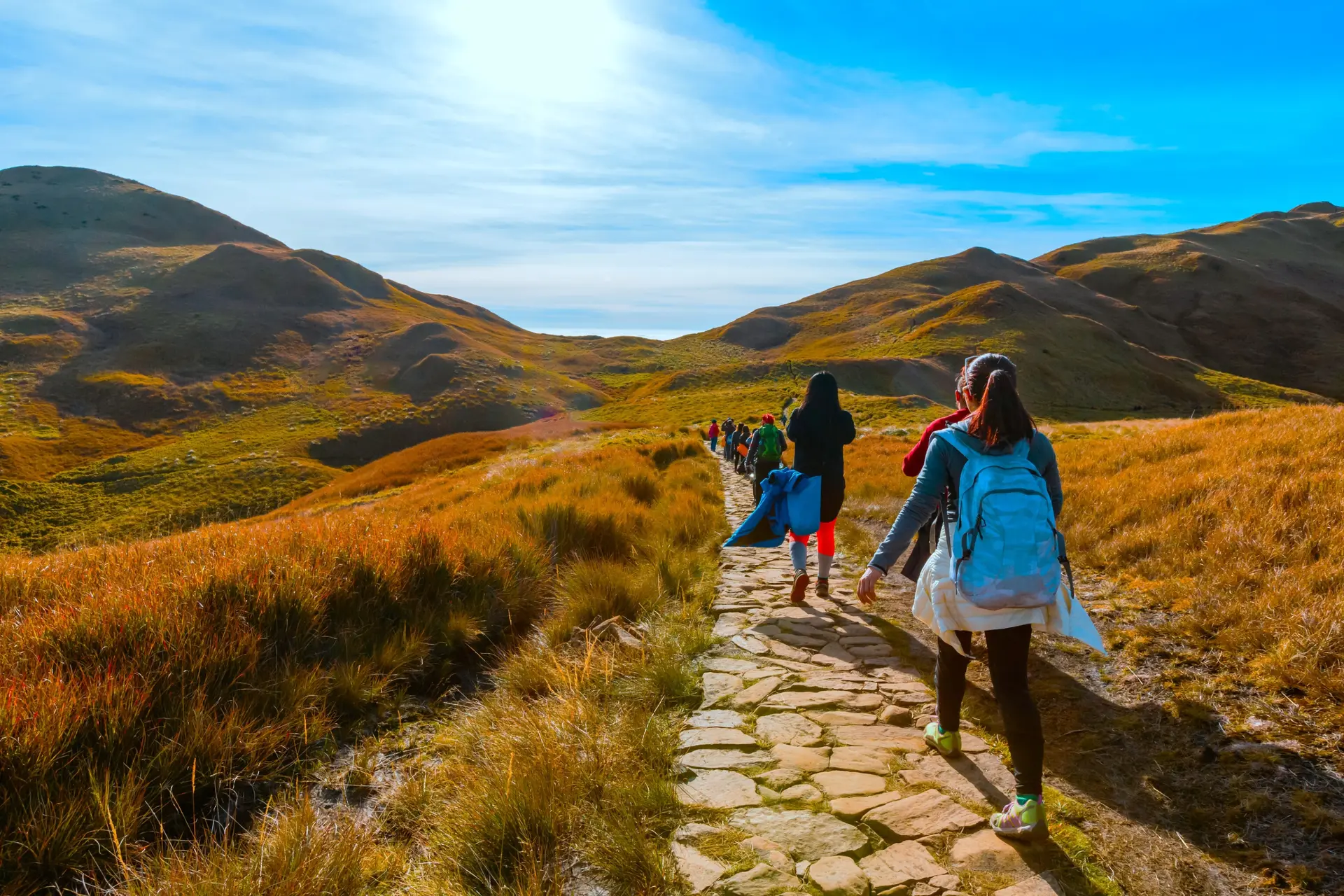
Activities & Adventure
Trek, kayak, escalade, sports outdoor
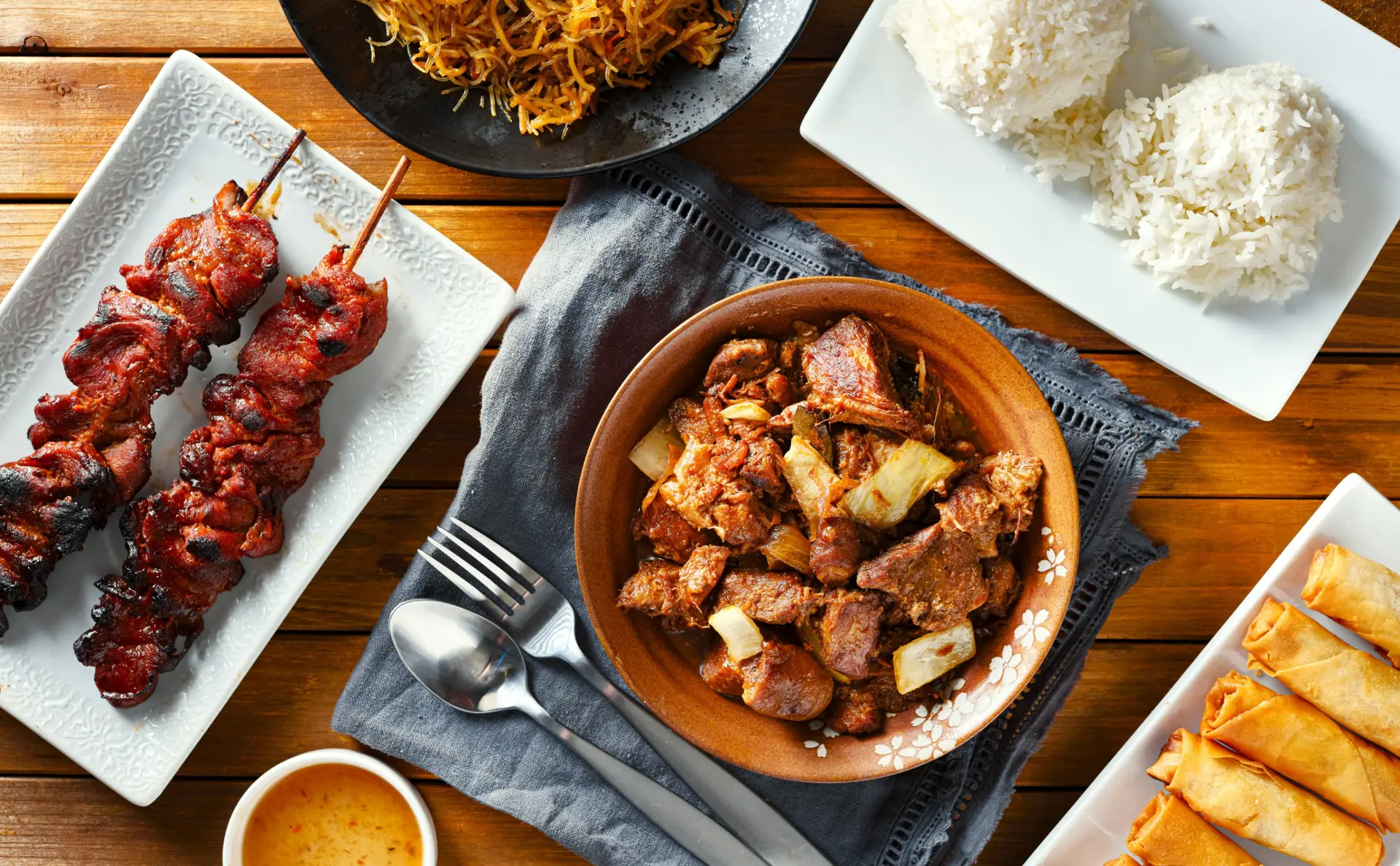
Gastronomy
Cuisine locale, marchés, cours de cuisine
We use cookies to improve your experience and measure our site's audience. You can choose what you accept. Learn more.