Central Visayas
Four islands connected by ferry in the heart of the archipelago: Bohol's Chocolate Hills, Moalboal's sardine runs, Loboc's tarsiers and the unhurried atmosphere of Siquijor.
The Central Visayas occupy the heart of the Philippine archipelago, between Luzon to the north and Mindanao to the south. Four main islands structure the region: Cebu, a long mountainous ribbon running north-south, Bohol, rounder and limestone-rich, Negros dominated by Mount Kanlaon at 2,435 metres, and Siquijor, the smallest, positioned apart to the southeast. From our office in Manila, we organize most Central Visayas circuits from Cebu City, the country's second economic hub and international air hub, allowing travellers to avoid a mandatory return to the capital.
The region predominantly speaks Cebuano, a language distinct from Luzon's Tagalog, and local culture expresses itself through recognizable cuisine: lechon de Cebu, suckling pig roasted on a spit seasoned with lemongrass and green onions, considered the country's finest version, kinilaw, raw fish marinated in coconut vinegar and ginger, and puso, rice cooked in coconut leaf braids found in Carcar and Mandaue markets. The Sinulog Festival in Cebu City each January brings together more than a million people for processions honouring the Santo Niño, a legacy of Spanish evangelization that began in 1565 when Legazpi anchored in Cebu, the archipelago's first colonial foothold.
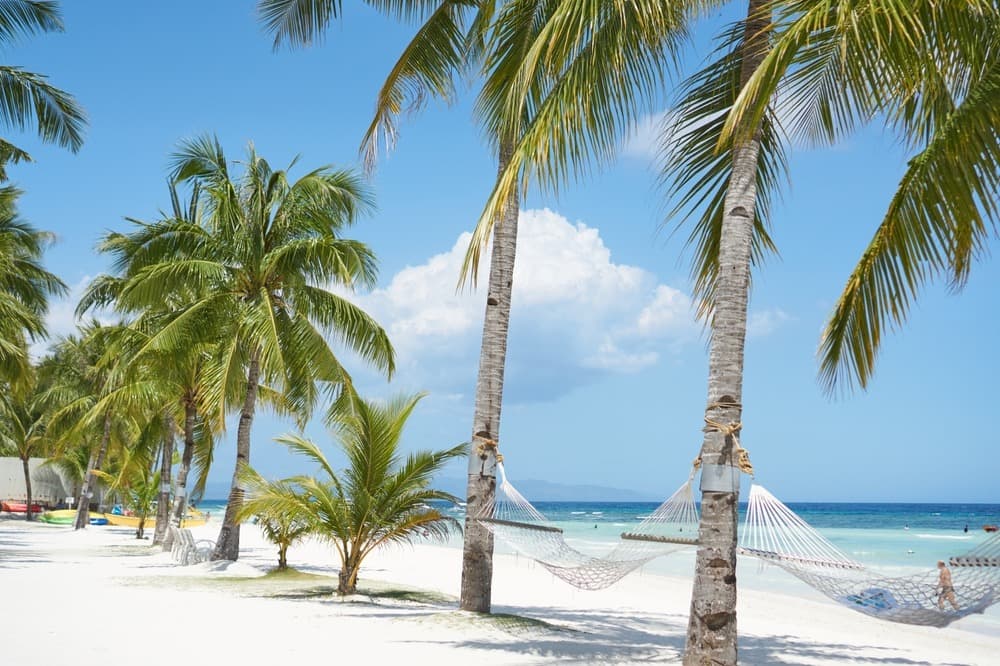
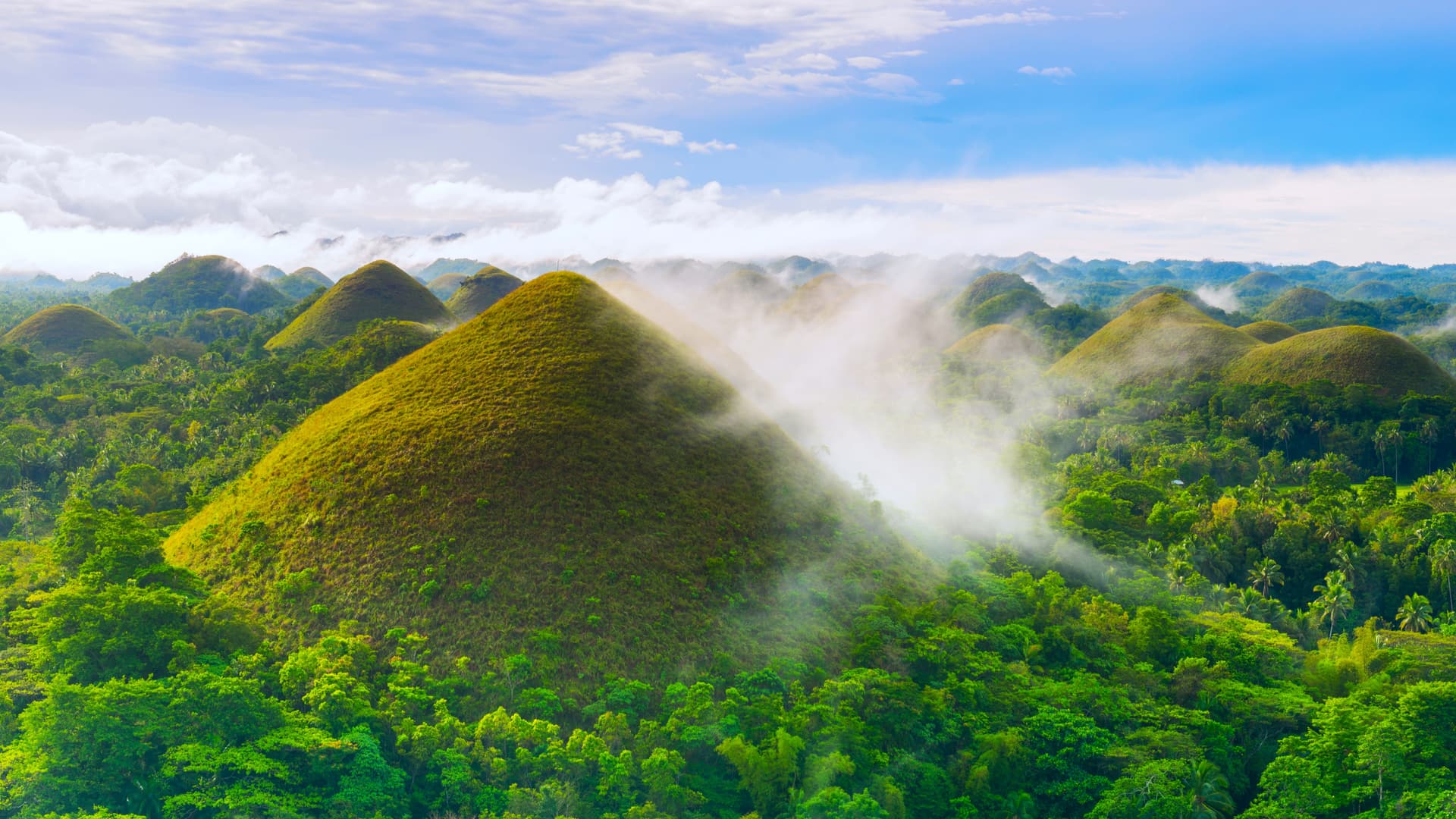
Bohol concentrates the most striking geological singularity: the Chocolate Hills, 1,268 conical hills standing 30 to 50 metres high spread across Carmen municipality, ancient karst formations once coral-based that turn chocolate brown during the dry season, between February and May. An hour's drive away, the Loboc sanctuary protects Philippine tarsiers, 12-centimetre nocturnal primates whose wild population has declined sharply. The Loboc River, navigable for about twenty kilometres, winds through dense secondary forest until reaching Busay Falls. On the coastal side, Panglao concentrates beach accommodation and provides access to Balicasag, a marine reserve where we take travellers to observe green sea turtles and schools of trevally.
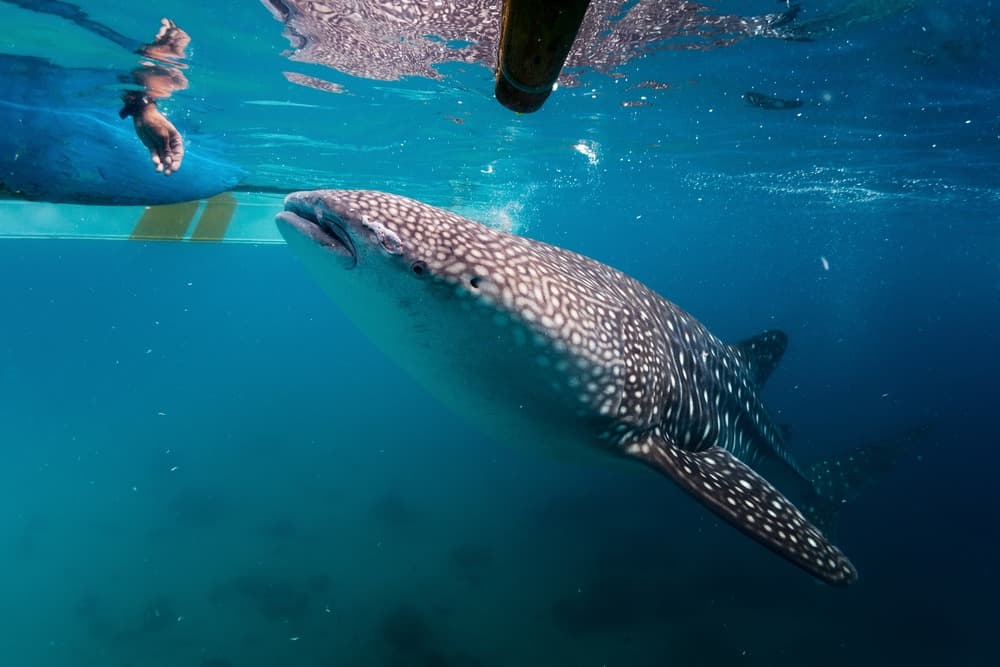
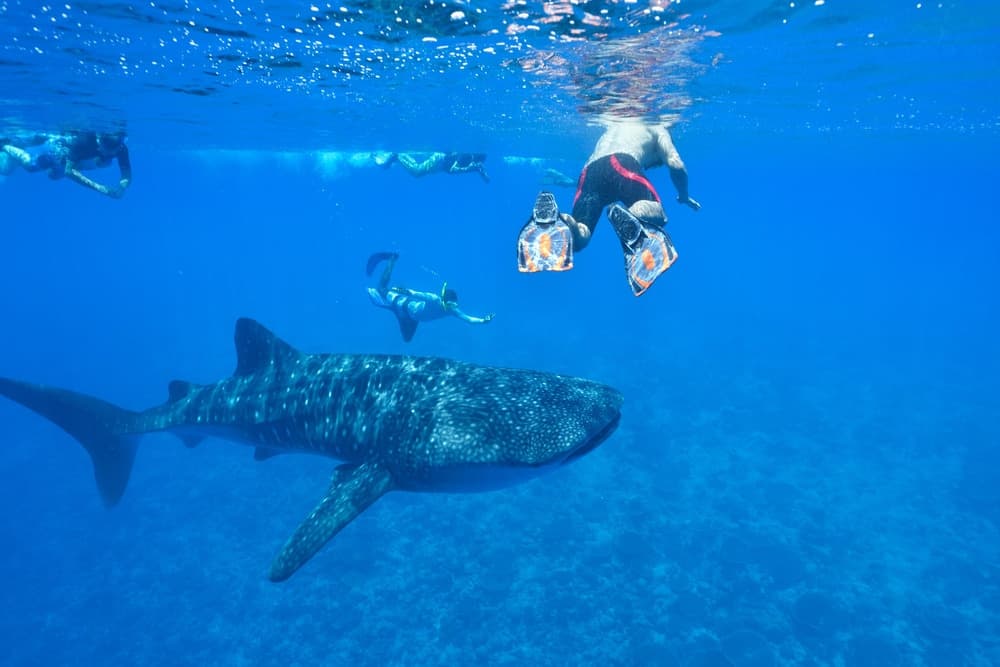
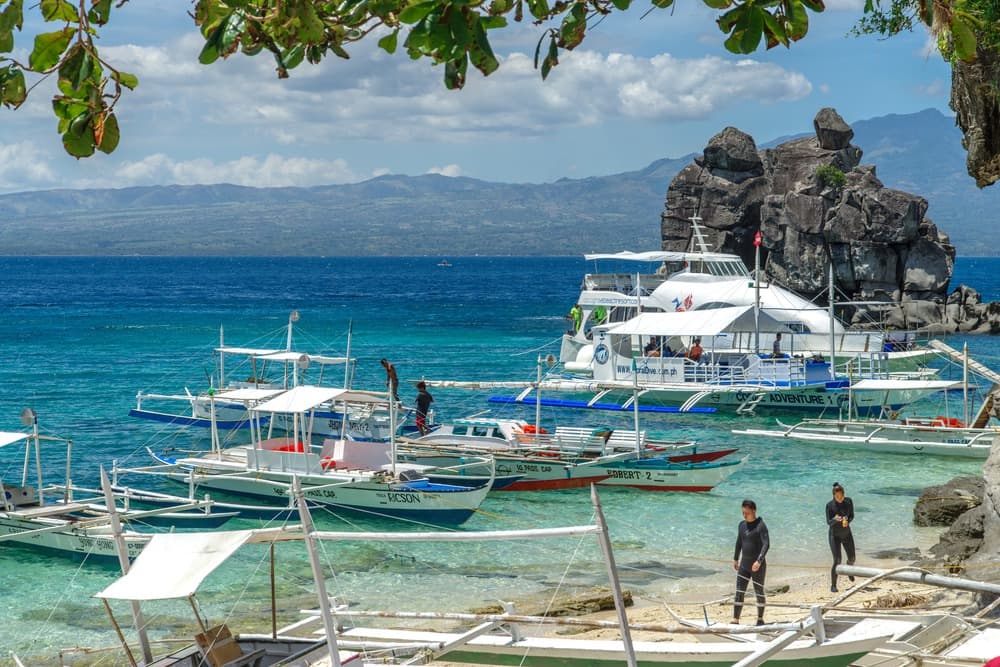
Cebu serves as a base for several highly specific nautical experiences. At Moalboal, on the west coast, the sardine run stations itself at 5 metres from Panagsama beach year-round, observable with mask, snorkel and fins. At Oslob, in the south, whale shark watching sparks debate: a regulated practice but with daily feeding, we offer the alternative of Tan-awan or outings to Donsol on Luzon. Kawasan Falls, near Badian, welcomes canyoning enthusiasts for three hours of descent between turquoise pools and 5 to 10-metre jumps.
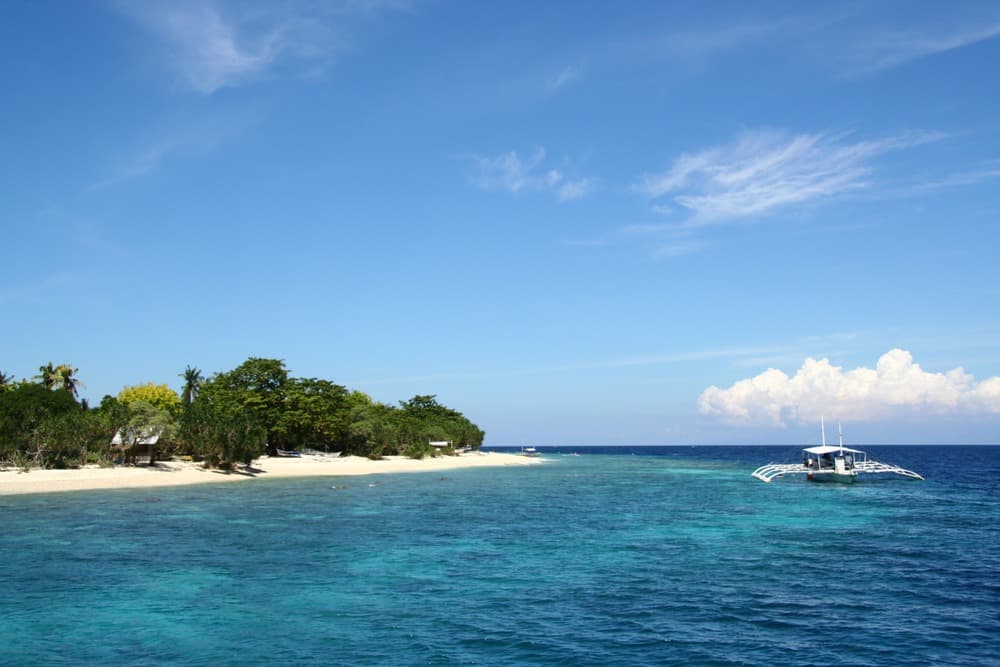
Negros presents two distinct faces. The west coast, around Bacolod, has historically thrived on sugar cane, a plantation landscape that shaped 19th-century haciendas, some visitable near Silay. The east coast, around Dumaguete, a university town with a quieter atmosphere, provides access to the twin lakes of Balinsasayao, at 800 metres altitude within a forested caldera, and the hot springs of Mambukal on the slopes of Mount Kanlaon. Apo Island, 30 minutes by bangka from Malatapay, hosts one of the country's oldest community marine reserves, established in 1982.
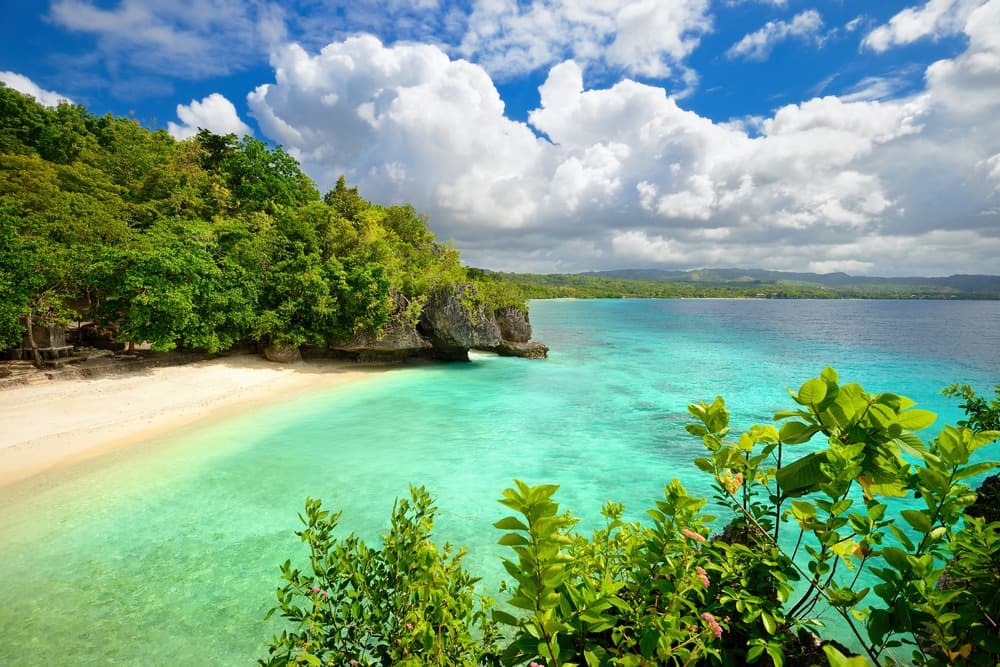
Siquijor, long known as the island of traditional healers (mananambal), retains a more discreet atmosphere. The 72-kilometre coastal road encircles it in half a day by scooter, serving Cambugahay Falls, the ancient balete tree of Lazi, a 400-year-old fig tree overlooking a freshwater pool, and Salagdoong and Paliton beaches. Fast ferries connect Dumaguete to Siquijor daily in 1 hour, and Tagbilaran to Cebu in 2 hours, making it possible to combine three or four islands without domestic flights.
Highlights
Chocolate Hills of Carmen. Bohol's 1,268 karst cones spread across 50 km², viewable from the Sagbayan viewpoint or by ultralight from Tagbilaran. Chocolate brown dominates February to May, green returns with the first rains in June.
Sardine run at Moalboal. A compact school of several million sardines stations itself just a few fathoms from Panagsama beach, accessible by mask, snorkel and fins year-round, without a boat.
Loboc tarsier sanctuary. Observation of 12-centimetre primates within an enclosed forest reserve managed by the Philippine Tarsier Foundation, 45 minutes from Tagbilaran.
Sinulog Festival in Cebu City. The third Sunday in January features processions and ritual dances around the Santo Niño statue brought by Magellan in 1521. Accommodation should be booked six months in advance.
Siquijor scooter tour. 72 kilometres of coastal road serving the four-century-old balete tree of Lazi, the three tiers of Cambugahay and Paliton beach, in one unhurried day.
When to visit
The Central Visayas enjoy a more stable climate than the archipelago's north, partly protected from major typhoons that more severely impact Luzon and Samar. The dry season extends from December to May, with temperatures of 26 to 32°C and manageable humidity from January to March. April and May concentrate peak heat, reaching 34°C in Cebu City, and late dry season withers the Chocolate Hills to their characteristic brown hue. The rainy season runs from June to November, with brief showers early in the season and longer episodes in September-October. Typhoons remain possible from August to November, mainly affecting northern Cebu and Negros's east coast, but the central archipelago remains navigable most of the time.
For diving and snorkelling, February to May offer the best visibility, 20 to 30 metres around Balicasag and Apo Island. Whale sharks at Donsol (an alternative to Oslob) are best seen February to May. The altitudes of Mount Kanlaon and Balinsasayao's lakes remain cool year-round, 18 to 22°C at night at 800 metres—bring a windbreaker even in the dry season.
Practical advice
Allow a minimum of 8 to 10 days to properly cover three islands, for example Cebu, Bohol and Siquijor, with two nights per site and ferry journeys included. A more complete four-island combination with Negros requires 12 to 14 days. Mactan-Cebu International Airport serves as the natural entry point, with direct flights from Singapore, Hong Kong, Tokyo, Seoul and Dubai, avoiding the detour through Manila. Fast ferries (OceanJet, 2GO) connect Cebu, Tagbilaran, Dumaguete and Siquijor daily, typically in 1 to 3 hours.
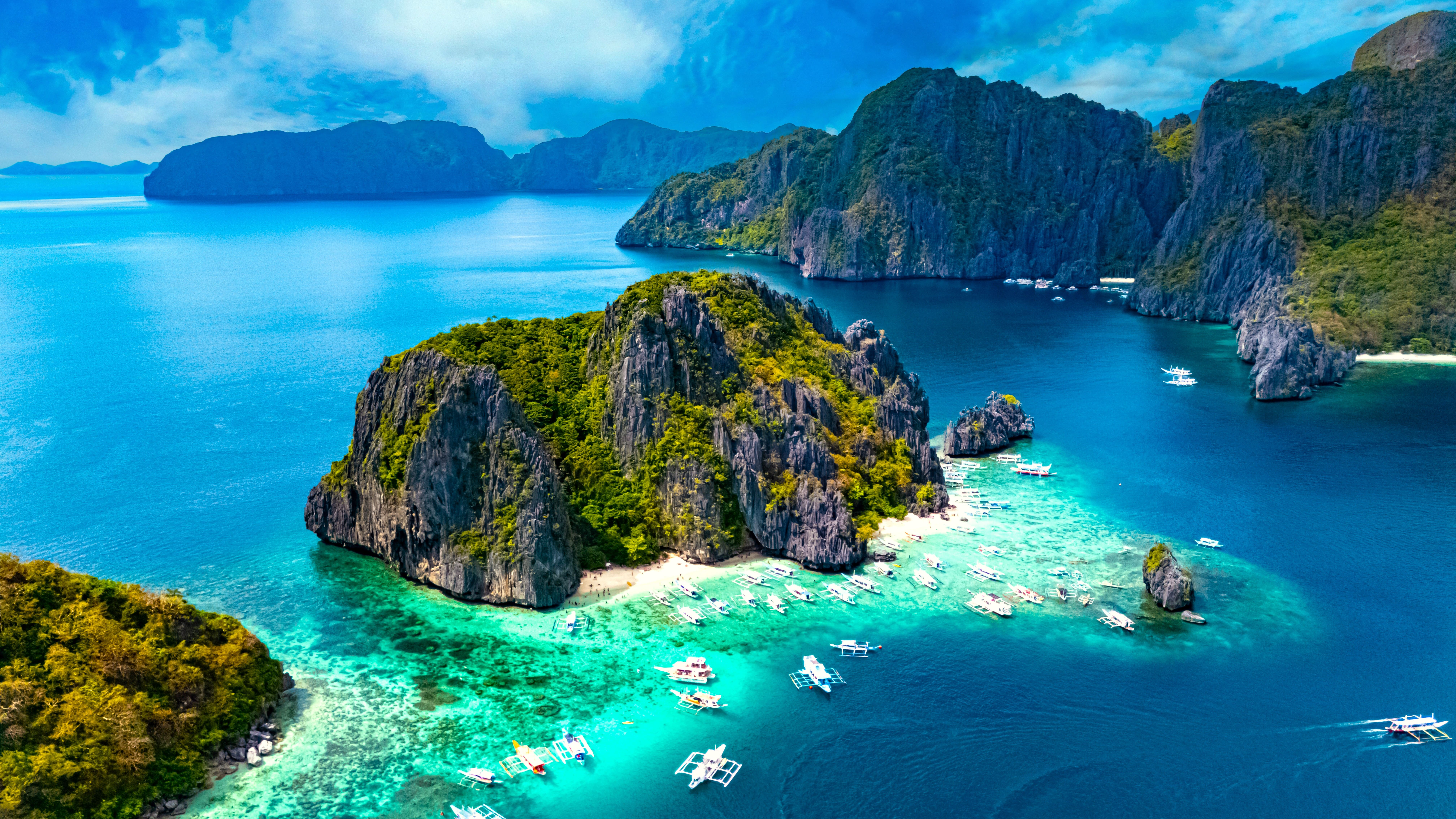
The region combines well with Palawan for travellers seeking to supplement with the karst landscapes of El Nido and Coron, adding a domestic flight from Cebu (1.5 hours). An extension to Siargao and Mindanao for surfing requires an additional flight from Cebu to Siargao (1 hour). Comfort levels are wide: charming accommodations in Panglao and Siquijor, upscale resorts in Mactan, family-run guesthouses in Moalboal. We easily guide families to Bohol for its diverse activities within short distances, contemplative travellers to Siquijor, divers to Apo and Balicasag, and urban-minded travellers to Cebu City for its Hispanic heritage and culinary scene.