Northern Luzon
From Manila to Mayon volcano via the Ifugao rice terraces of Banaue and the cobbled streets of Vigan, northern Luzon brings together the cultural and geographical contrasts that define the Philippines.
Northern Luzon is the upper half of the archipelago's largest island, a territory that concentrates contrasts few Philippine regions bring together: the megacity of Manila with its 13 million inhabitants, the Central Cordillera mountain range peaking at 2,922 meters at Mount Pulag, and the volcanic coast of Bicol to the southeast. Our team based in Manila builds most of its northern itineraries around this geographical foundation: you don't cross Luzon in a few days, you choose two or three sub-regions and accept the driving times.
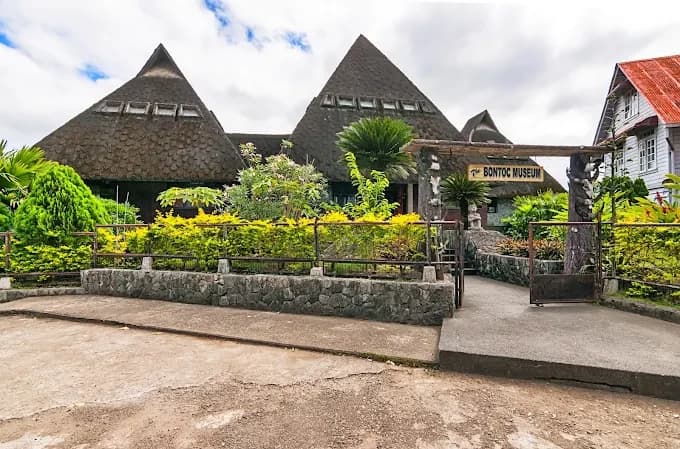
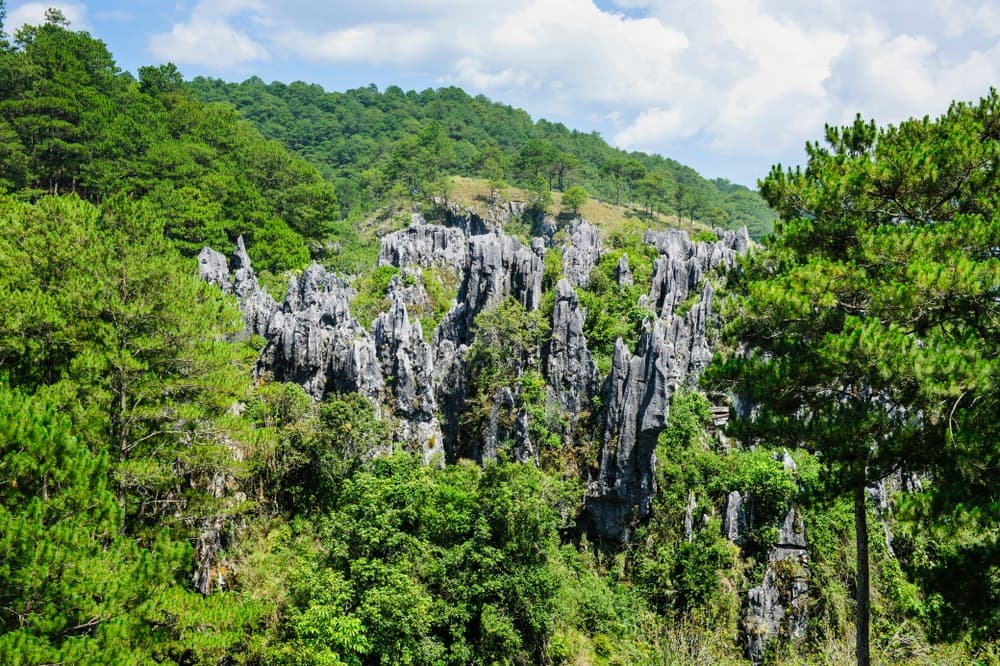
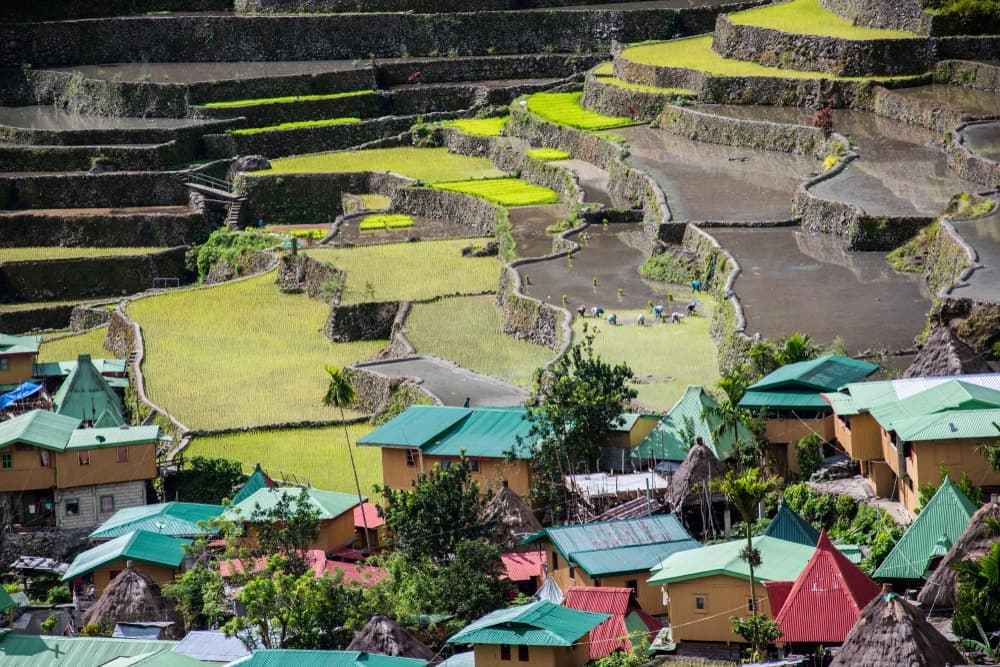
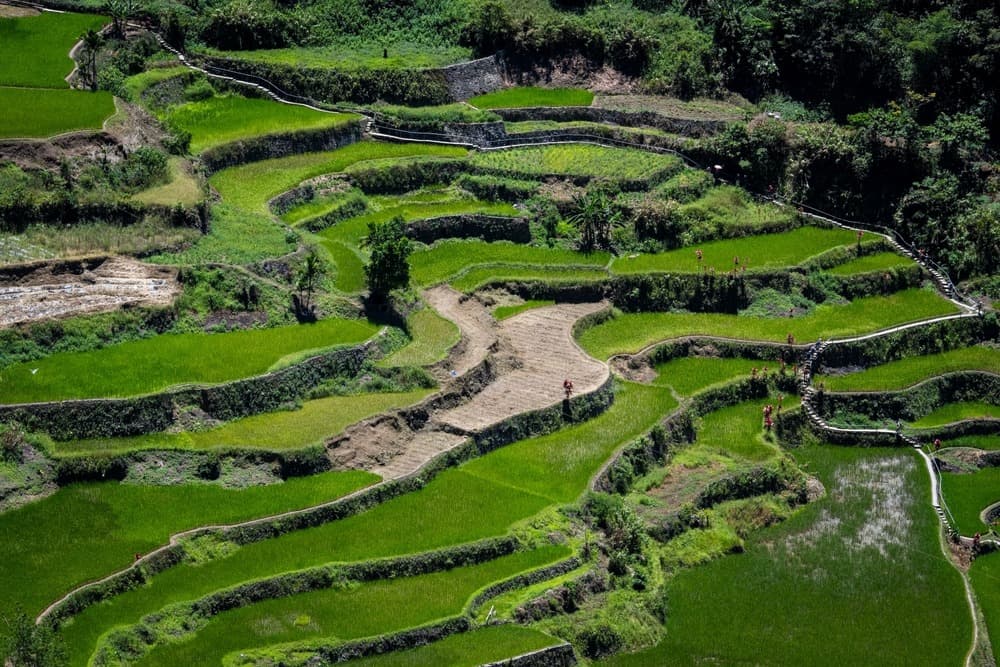
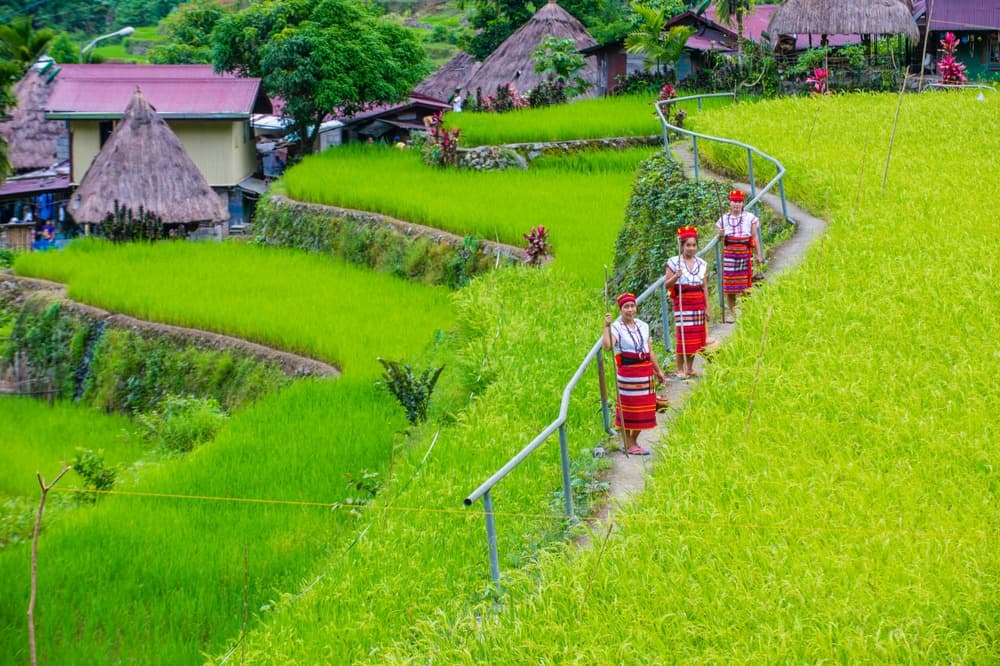
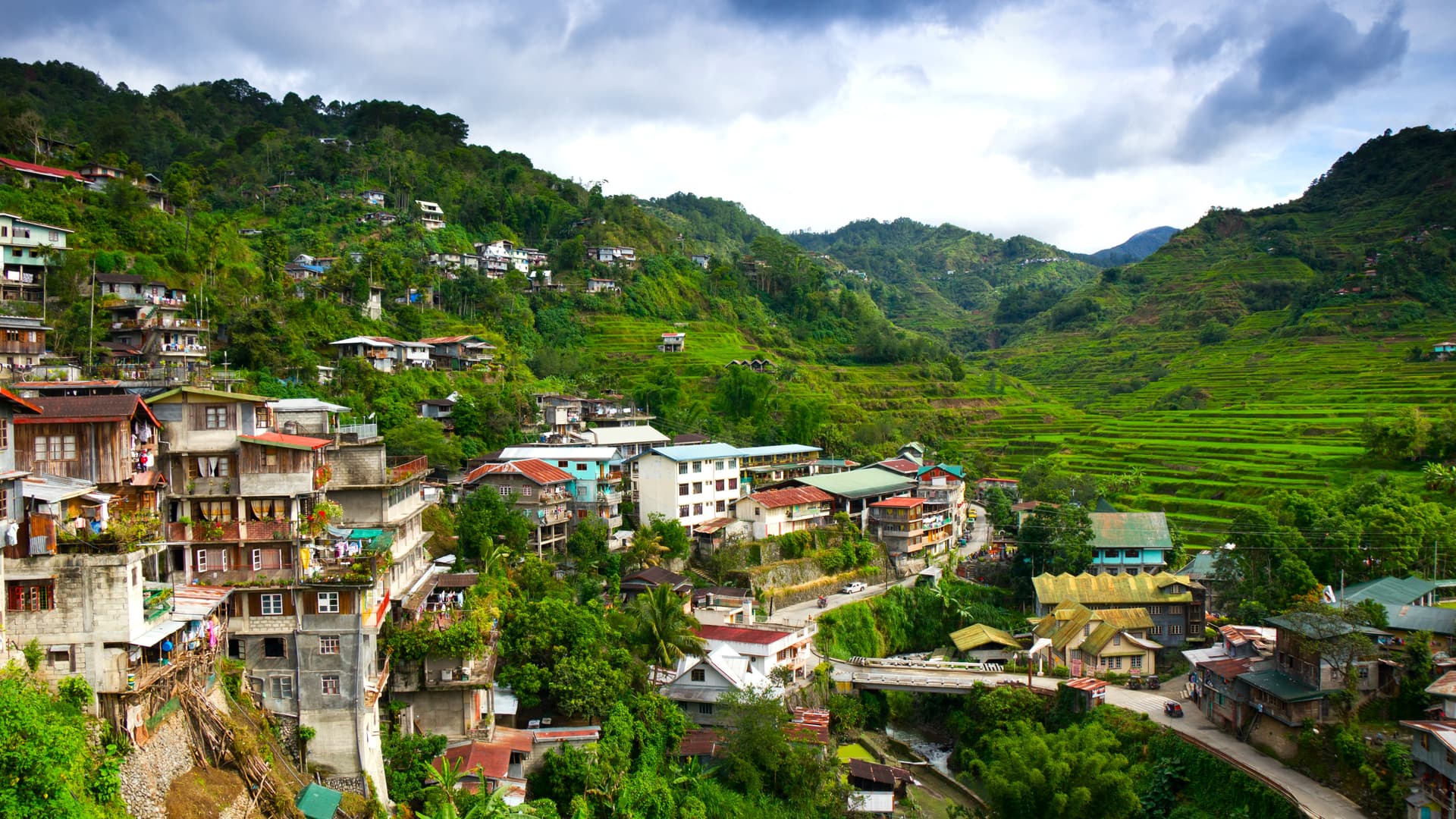
The Central Cordillera forms the backbone of the north. This is where the Ifugao, Kalinga, Bontoc, and Kankanaey peoples live, grouped under the generic term Igorots. The terraced rice paddies of Banaue, Batad, Hapao, and Bangaan, sculpted some two thousand years ago, are still cultivated by Ifugao families according to traditional cycles. At Sagada, further north in Mountain province, the hanging coffins suspended from the cliffs of Echo Valley bear witness to still-living Kankanaey funeral practices. The Kalinga region, around the village of Buscalan, has become a waypoint to meet Whang-od, the last master mambabatok tattooist, over a hundred years old.
The west coast, along the Luzon Strait, tells another story. Vigan, UNESCO-listed, preserves its sixteenth-century Hispanic-Asian grid layout, its houses of mestizo Chinese merchants, and its calesas drawn by horses. Further north, Laoag and the Ilocos Norte coast line up sand dunes (Paoay), baroque brick churches, and the Marcos house-museum in Batac. South of Vigan, San Juan has become the most accessible surf spot from Manila, with a swell season between November and March.
Southeast Luzon, the Bicol region, is dominated by Mayon volcano, whose near-perfect cone rises 2,462 meters above Legazpi. It's an active volcano, permanently monitored, whose eruptions regularly alter approach conditions. Bicolano cuisine, based on coconut milk and siling labuyo chili, stands apart from the culinary restraint of the north: laing (braised taro) and Bicol Express are among the dishes we introduce our travelers to in Legazpi or Donsol. It's also from Donsol that we organize, between December and May, boat encounters with whale sharks.
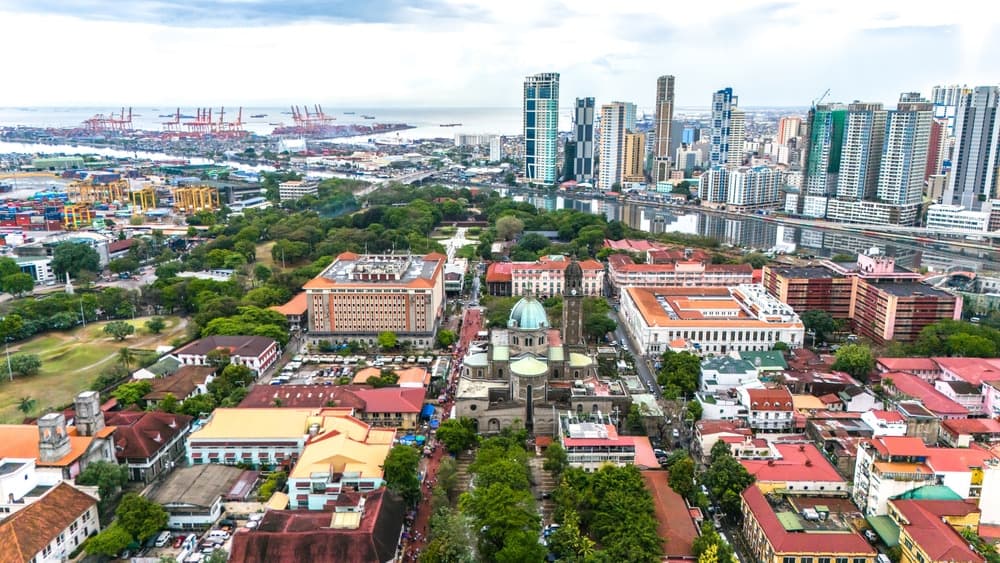
Manila remains the mandatory entry point. The city is dense, congested, sometimes rough, but Intramuros, the old fortified Spanish city, and the districts of Binondo (the world's first Chinatown, founded in 1594) or Quiapo deserve a structured day. North of the capital, Zambales province and the Bataan peninsula open onto quieter beaches; just south, Lake Taal and its volcano-within-a-volcano can be visited as a day trip from Tagaytay, 60 kilometers from Manila. Straight-line distances are deceptive: the Manila-Banaue route takes 9 hours by night bus, Manila-Vigan 8 hours, Manila-Legazpi 10 to 12 hours or a 55-minute domestic flight.
Must-see
Batad rice terraces. An Ifugao amphitheater of dry stone, accessible after 45 minutes of hiking from the saddle point. Two nights on-site allow you to reach Tappiya waterfall and the neighboring village of Bangaan.
Colonial Vigan at sunrise. Calle Crisologo is best walked on foot before 7am, when the calesas emerge and the Chinese-mestizo shops haven't yet opened their wooden shutters.
Mayon volcano from Cagsawa. The ruins of Cagsawa Church, buried by the 1814 eruption, offer the classic framing of the 2,462-meter cone. Clear visibility especially in early morning, between February and May.
Mambabatok tattooing in Buscalan. Kalinga village perched at 1,200 meters, accessible after 4 hours of driving from Bontoc then 30 minutes of hiking. Overnight with local families to meet the young tattooist apprentices trained by Whang-od.
Whale sharks of Donsol. Bangka boat encounters with a Butanding Interaction Officer, no feeding, between December and May. The waters of Burias Strait concentrate up to 20 individuals at peak season (February-April).
When to visit
The best window for Northern Luzon stretches from November to April: clear skies, temperatures of 22 to 30°C in the lowlands, low typhoon probability. In the Cordillera, at Banaue (1,200 m) and Sagada (1,500 m), nights drop to 10-14°C between December and February—bring polar fleece layers. Mount Pulag (2,922 m) approaches freezing at sunrise in January. On the Bicol coast, February to May concentrates the best visibility conditions on Mayon and coincides with whale shark season in Donsol.
We advise against June to October for northern and eastern Luzon: the southwest monsoon (habagat) then peak typhoon season (August-October) cause landslides on Cordillera roads and regular closure of Legazpi airport. The Banaue rice paddies are green and photogenic in June-July just before the first cyclones, but access remains unpredictable. Harvest (panaggapas) occurs late June in Hapao and mid-July in Batad, a brief period but visually striking if weather permits.
Practical advice
Plan a minimum of 8 days to combine three northern sub-regions, for example Manila (1 day) + Cordillera around Banaue and Sagada (3 to 4 days) + Vigan and the Ilocos coast (2 to 3 days). To add Bicol and Mayon volcano, allow 3 extra days by taking a domestic flight Manila-Legazpi. The logistics hub is Manila's NAIA airport; we then favor private vans over night buses once you climb in elevation, more flexible for photo stops and secondary villages.
Northern Luzon combines well with a beach extension: Palawan (direct flight Manila-Puerto Princesa or Manila-El Nido) for limestone lagoons, Mindoro and Romblon for a gentler overland transition by road and ferry, or the Central Visayas for beaches and diving. Expected comfort varies: 4-star hotels in Manila, Vigan, and Legazpi, simple lodges in Banaue and Sagada, rustic homestays in Buscalan. This region suits travelers who accept long drives in exchange for dense cultural reading, hikers (rice terraces, Mount Pulag), and colonial history enthusiasts. For a first Philippines trip centered on relaxation, we steer toward Palawan or the Visayas instead.