Bacolor
Bacolor
Once the first capital of Pampanga, buried by Mount Pinatubo's lahar in 1991, Bacolor surprises with its half-submerged baroque church and a powerful story of resilience.
Have you ever wondered how a city can preserve its heritage despite natural disasters? Located in the heart of Pampanga, Bacolor stands as a living testament to this. As you walk through its streets, you'll discover churches and colonial buildings that span several centuries of history. Your visit is also an opportunity to understand the lasting impact of major events such as the eruption of Mount Pinatubo.
History
Barcolor was officially founded in 1574 by Guillermo Manabat, though it already existed as a prosperous village under the name Baculud. The city was Pampanga's first capital and became a strategic center during the British occupation in the 18th century. Under American administration, a civil government was established in 1901. Bacolor was also marked by World War II and, more recently, by the eruption of Mount Pinatubo in 1991.
Where Is Bacolor Located?
Barcolor lies in the heart of Pampanga province, in the central region of Luzon in the Philippines. The municipality sits between San Fernando to the west and Guagua to the east, within the Pampanga River delta, and benefits from a strategic position that connects the city to the region's main routes.
What to See?
San Guillermo Parish Church
Known as the Sunken Church, San Guillermo Church attracts visitors with its distinctive character. Partially buried by Mount Pinatubo's eruption, it retains its baroque charm and invites you to walk through its naves while feeling the strength and resilience of the local community.
Museo de Bacolor
Just steps from the church, the Museo de Bacolor offers insight into the city's heritage through religious and historical artifacts. It allows you to understand the daily life and culture of residents before and after the city's defining events.
Don Honorio Ventura State University
The Don Honorio Ventura State University campus blends historical elegance with modernity. Stroll through its pathways to discover the importance of education in Bacolor while enjoying a pleasant setting.
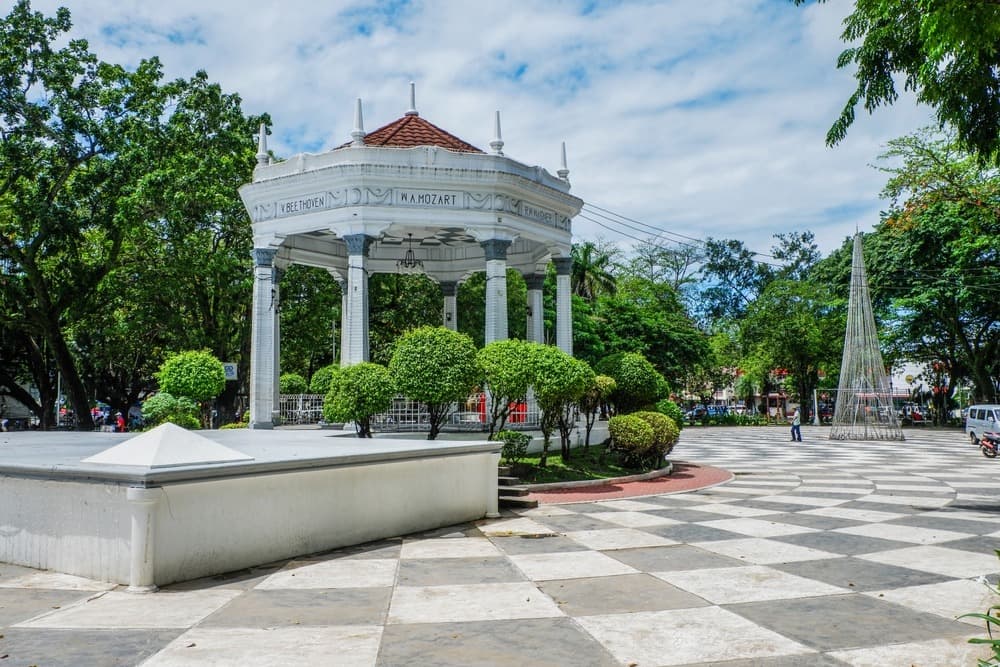
Bacolor Town Plaza
The main plaza is the gathering point of local life. Surrounded by monuments and historic buildings, it hosts festivals, community gatherings, and moments of relaxation.
Betis Church
Just a few kilometers from Bacolor, Betis Church impresses with its frescoes and carved woodwork. This artistic gem reflects Pampanga's rich cultural heritage and is a must-visit for art enthusiasts.
Climate
Barcolor enjoys a tropical climate marked by well-defined seasons. Between November and April, weather remains dry and bright. From May to October, rain becomes frequent, with occasional typhoons. Temperatures generally stay between 25 and 32°C, and annual precipitation can reach 2,500 mm, with peaks in August and September.
Best Time to Visit
The period between November and April is most favorable for discovering this city thanks to dry weather and low risk of lahar flows. To experience the local atmosphere, plan your stay during festivals and immerse yourself in the city's culture through its celebrations and events.
Barcolor is located approximately two hours by road from Manila and is easily accessible from the capital. You can take a bus or jeepney to explore the region or opt for a rental car.
What to See Nearby?
Mount Pinatubo
Embark on an adventure to Mount Pinatubo's crater and discover impressive panoramas. Excursions typically include a 4x4 ride followed by a hike to the crater lake. It's a unique experience for nature lovers and those seeking spectacular landscapes.
Sandbox
For thrill-seekers, Sandbox in Porac offers a range of dynamic activities like quad biking, rock climbing, and zip-lining. It's the ideal place to add some adrenaline to your stay.
Nayong Pilipino
Located in the Clark Free Zone, this cultural theme park lets you discover the Philippines in a different way. You'll find replicas of famous monuments and traditional villages, perfect for learning more about local heritage in an engaging setting.
Want to discover this destination?
Our local advisors design your tailor-made trip.