Oslob
Oslob
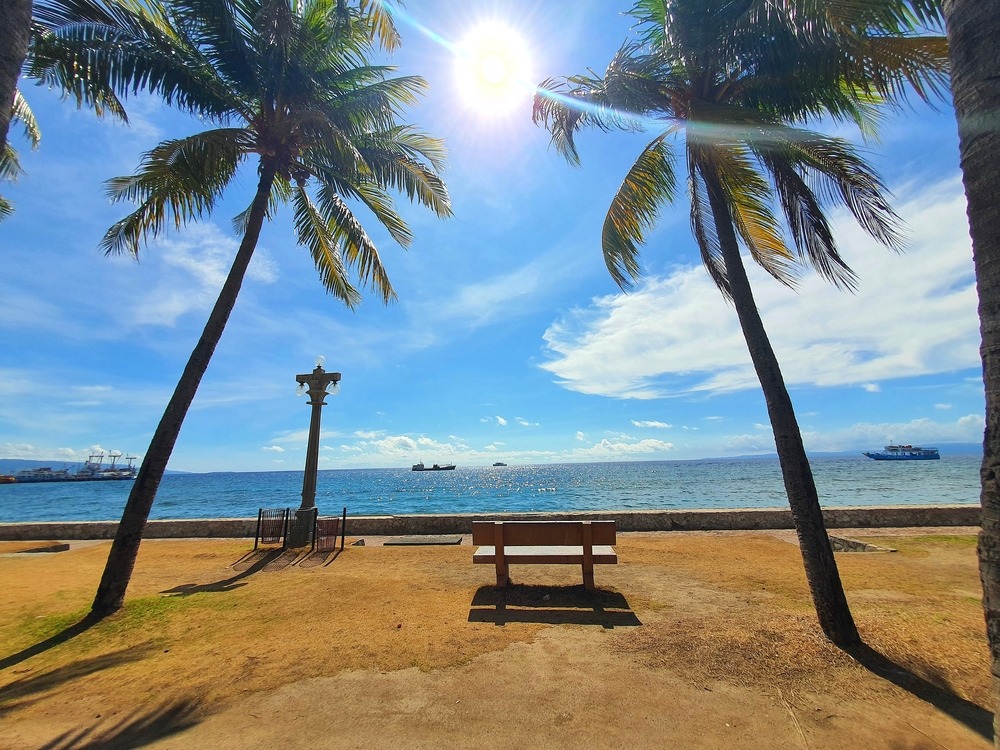
South of Cebu, Oslob brings together whale sharks, the Sumilon sandbar, cascading waterfalls and colonial ruins. Here's how to make the most of it.
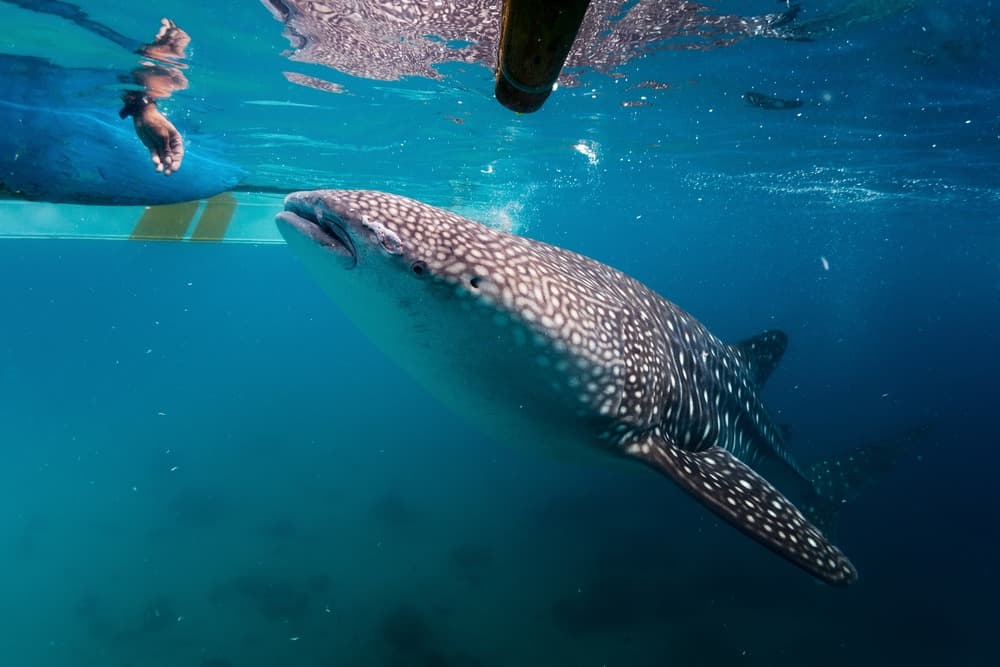
Oslob has carved out its place on the map for travelers seeking marine experiences and unspoiled natural landscapes. Just three hours by bus from Cebu City brings you to a completely different world. Here, you begin your day in the water, mask in place, face-to-face with one of the planet's largest fish. Then you ride a motorbike up to a waterfall, savor a local dish in a humble canteen, and finish the afternoon on an almost empty beach. As a bonus, you can venture out for a day on Sumilon Island, walk among the remnants of ancient colonial bastions, or simply enjoy fresh mango while gazing at the sea. Here's what awaits you during a stay in this corner of Cebu.
A dreamlike stay in Oslob
Oslob sits on the southern coast of Cebu Island. You may have heard of it for its famous whale shark encounters. Swimming alongside these gentle giants is an experience unlike any other. But once you arrive, you'll discover there's far more to explore.
In just a few days, you can move seamlessly between activities: bathe beneath accessible waterfalls, unwind on tranquil beaches, explore vibrant underwater worlds, or visit colonial sites that still shape the landscape.
What to Do?
Discover Sumilon Island
After observing the whale sharks, venture out on an excursion to Sumilon. Positioned off the southeastern coast of Oslob, this island offers a peaceful setting across 24 hectares. Known for its sandbar that appears and disappears with the tides, it ranks among the preferred stops for travelers visiting Cebu.
The atmosphere here is gentler, the environment well-preserved, and everything invites you to savor the moment. You can swim in crystalline waters, explore the underwater realm with fins and snorkel, or simply relax in the shade of a waterside tree.
Swimming on the Sandbar
This white sandbar, which seems to float within turquoise waters, forms part of the private domain of Sumilon Bluewater Island Resort. Good news: even if you're not staying there, you can access it for a modest entrance fee.
Don't expect amenities or facilities here—no loungers, no beach huts, just sand, sea, and sky. Travelers often stop by for a leisurely lunch, either aboard the boat or seated directly on the sand with picnic basket in hand.
Once satisfied, walk the perimeter of the sandbar, swim in the pristine water, and capture stunning photographs. For those seeking elevated views, observe the entire sandbar from the heights above.
Paddle Through the Lagoon
If you're seeking a peaceful and easily accessible activity, embark on a kayaking adventure in Sumilon's lagoon. This lagoon, bordered by mangroves, allows you to paddle at a leisurely pace.
You can paddle solo, share your kayak with a companion, or opt for a guided tour. The waters are calm and the setting perfect for a nature pause. This activity suits children, though your supervision is needed.
Once your paddle is complete, continue exploring on foot or by boat toward the small natural caves in the area.
Explore the Caves
If you wish to vary your activities during your time at Sumilon, take an interesting break between nature and local history by visiting the island's natural caves.
Among the most renowned is Yamashita Cave. This designation refers to a cluster of natural cavities, some still largely unexplored. Local lore suggests they once served as hiding places for valuables during Ferdinand Marcos's era. Access is unmarked. Bring a headlamp as you venture inside.
On another part of the island, you'll find a rock shelter that has been transformed into a small prayer space. A statue of the Virgin Mary has been placed here, and numerous visitors come to reflect or simply enjoy the site's peaceful atmosphere.
Climb to Sumilon Lighthouse
Don't miss the ascent to Sumilon Lighthouse. The climb is brief and presents no particular difficulty, yet rewards you with a panoramic view across the island and its surrounding waters. From the summit, you'll clearly see the sandbar, even more impressive from this vantage point, with its contours sharply defined between sea and sky.
If photography appeals to you, you'll find an ideal setting to capture the island in its entirety.
Explore the Underwater World with Snorkel Gear
If you enjoy observing marine life without air tanks, Sumilon is an excellent snorkeling destination. This small island shelters a protected marine area where coral and fauna have thrived over time.
By swimming just meters from shore, you may spot a diverse array of tropical fish, colorful coral formations, and possibly even blacktip reef sharks.
Visit the Church of Our Lady of the Immaculate Conception
During your visit to Oslob, take time to visit the Church of Our Lady of the Immaculate Conception, located in the town center. Inside, discover 73 religious icons displayed near the bell tower, some historic and beautifully preserved. You can also view the image of the town's patron saint. The colonial architecture lends the space a serene, history-laden atmosphere.
Stop at Museo Oslob
This small local museum showcases a collection of everyday objects—antique pianos, wooden furniture, period mirrors—and more. Simple items, yet rich with history, as the townspeople themselves donated them to preserve their city's memory.
Practical Information
Climate
Sunshine is frequent here, but as throughout the Philippines, the year divides into two seasons: the dry season from November to May, and the rainy season from June to October.
The Best Time to Visit Oslob
To fully enjoy your stay in Oslob, plan your visit between November and May during the dry season. At this time, the climate is more stable, days are sunny, and sea conditions favor smooth boat excursions.
December through February are particularly pleasant, with mild temperatures. You can explore the region and enjoy boat outings under optimal conditions.
By Air
The fastest way to reach Oslob is to fly into Cebu City via Mactan-Cebu International Airport. This airport welcomes regular flights from Manila, other Philippine cities, and select international destinations. Upon arrival, head to the South Bus Terminal in Cebu City. From there, board a Ceres Liner bus bound for Barangay Bato, passing through the municipality of Liloan. Simply request a stop at Barangay Tan-awan in Oslob. The journey takes approximately 3 hours.
By Ferry
If you prefer traveling by sea, several routes are available depending on your departure point:
- From Manila: Companies like 2GO Travel and OceanJet operate regular services to Cebu. The journey takes approximately 22 hours. These are overnight crossings, ideal if you wish to avoid flying and prefer a more relaxed transit.
- From Bohol: For a shorter journey, take a ferry from Tagbilaran. Operators such as SuperCat or OceanJet offer roughly 2-hour crossings to Cebu.
- From Dumaguete: First take a tricycle to Sibulan port, then board a fast ferry or ro-ro to Liloan port in Cebu. Upon arrival, buses depart every 30 minutes toward Oslob. Plan for 2 to 3 hours of travel to reach your destination.
Want to discover this destination?
Our local advisors design your tailor-made trip.