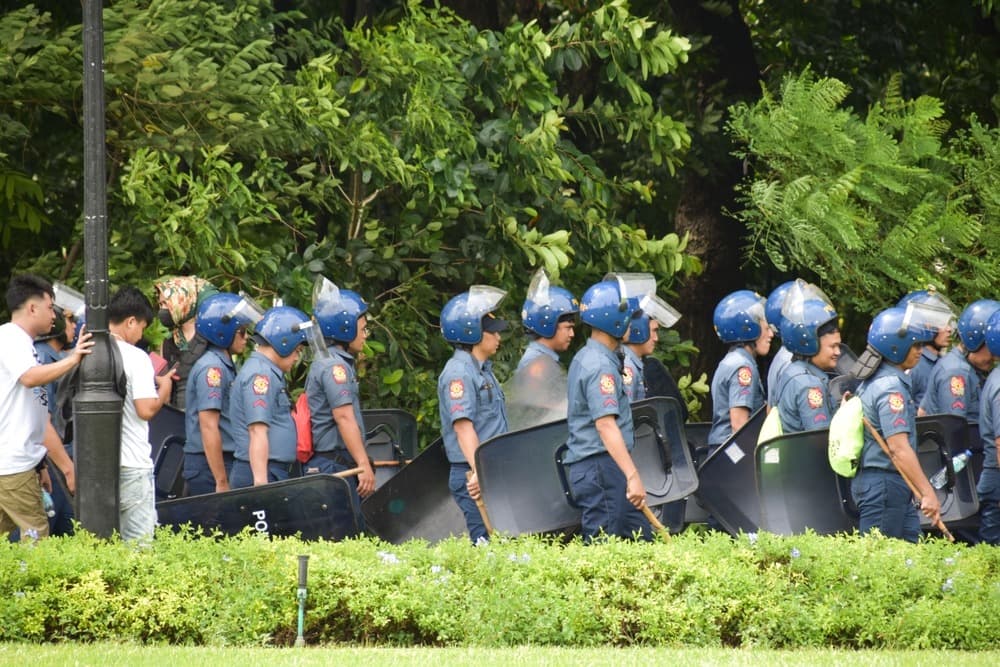
Safety in the Philippines
The Philippines offer a welcoming and warm setting where most travelers move about with ease. Like any frequently visited destination, a few simple precautions allow you to enjoy your stay peacefully. By remaining aware of your surroundings, following local advice, and sticking to well-established tourist areas, your journey will unfold without concern.
The Philippines offer a welcoming and warm setting where most travelers move about with ease. Like any frequently visited destination, a few simple precautions allow you to enjoy your stay peacefully. By remaining aware of your surroundings, following local advice, and sticking to well-established tourist areas, your journey will unfold without concern.
General safety in cities and tourist zones
Major destinations like Manila, Cebu, Palawan, Bohol, Boracay, Coron, and Siargao are well-practiced in welcoming travelers. The atmosphere is generally safe and vibrant, despite minor petty crime in certain urban neighborhoods: pickpockets in markets, phone theft, and minor scams around heavily frequented areas.
A few simple habits suffice: keep personal belongings out of sight, avoid poorly lit streets at night, use official taxis or the Grab app, and don't carry excessive amounts of cash. Under these conditions, the vast majority of travelers discover the archipelago with complete peace of mind.
Areas to avoid or requiring extra caution
Most regions can be visited without difficulty. A few isolated zones, however, remain inadvisable, primarily due to local instability unrelated to tourism.
Southern Mindanao and the Sulu Archipelago
These provinces occasionally experience local tensions. They hold no major tourist appeal and are excluded from itineraries offered by local agencies.
Remote sectors of northern Luzon
In the Cordillera, certain mountainous areas warrant greater caution. Traveling with an experienced guide remains your best option for exploring the region safely.
A few isolated villages in eastern Mindanao and the Visayas
Sporadic incidents can occur, but they affect areas far removed from standard travel circuits. Simply verify local information before heading there.
The major destinations, meanwhile, are safe, well-structured, and perfectly suited for travelers.
Safety in transportation
Urban transit
In cities, official taxis remain the most reliable option for getting around. Check for a meter and refuse fixed-rate fares. Grab works very well in major metropolitan areas.
Jeepneys, colorful and iconic, offer a local experience but sometimes attract pickpockets. Keep your belongings close and avoid using your phone during the ride.
In the evening, always opt for motorized transport rather than walking through poorly lit areas.
Inter-island transport
Ferries are widely used to travel between islands. To journey with peace of mind:
- Choose a recognized company,
- Verify the presence of life jackets,
- Avoid crossings in unstable weather.
Since delays are frequent, allowing extra time between connections is a good habit. In certain very isolated areas (in the south), authorities recommend following standard tourist routes.
Driving and scooter travel
Driving in the Philippines may seem straightforward, but it requires genuine caution: irregular roads, frequent speeding, and dense traffic. Renting a scooter can be tempting, but it's essential to:
- Wear a helmet, even if locals don't always do so;
- Rent from a reliable agency with a written contract and an insured vehicle;
- Avoid isolated roads, mountain trails, or potentially slippery areas;
- Steer clear of habal-habal, elongated motorcycles that are often dangerous and illegal.
In many regions, hiring a private driver remains an affordable and far safer option.
Natural hazards and weather
Typhoons and heavy rain
The rainy season, from June to November, can bring intense rainfall and occasionally typhoons. These events are closely monitored by local authorities. In case of a warning:
- Follow official recommendations,
- Avoid exposed coastal areas,
- Limit travel.
The PAGASA meteorological service provides real-time updates.
Earthquakes and volcanic activity
Situated on the Pacific Ring of Fire, the Philippines experience occasional seismic activity. The majority of tremors are mild and pose no consequence for travelers. PHIVOLCS provides reliable information should the situation evolve.