Time Zone Difference with the Philippines
Understanding the time difference before traveling to the Philippines helps you anticipate communications with loved ones, organize your days upon arrival, and better prepare your rhythm during the flight.
Understanding the time difference before traveling to the Philippines helps you anticipate communications with loved ones, organize your days upon arrival, and better prepare your rhythm during the flight. There's nothing complicated here—the archipelago follows a stable time zone year-round, and the difference with France varies only according to France's daylight saving time changes.
Time Zone of the Philippines
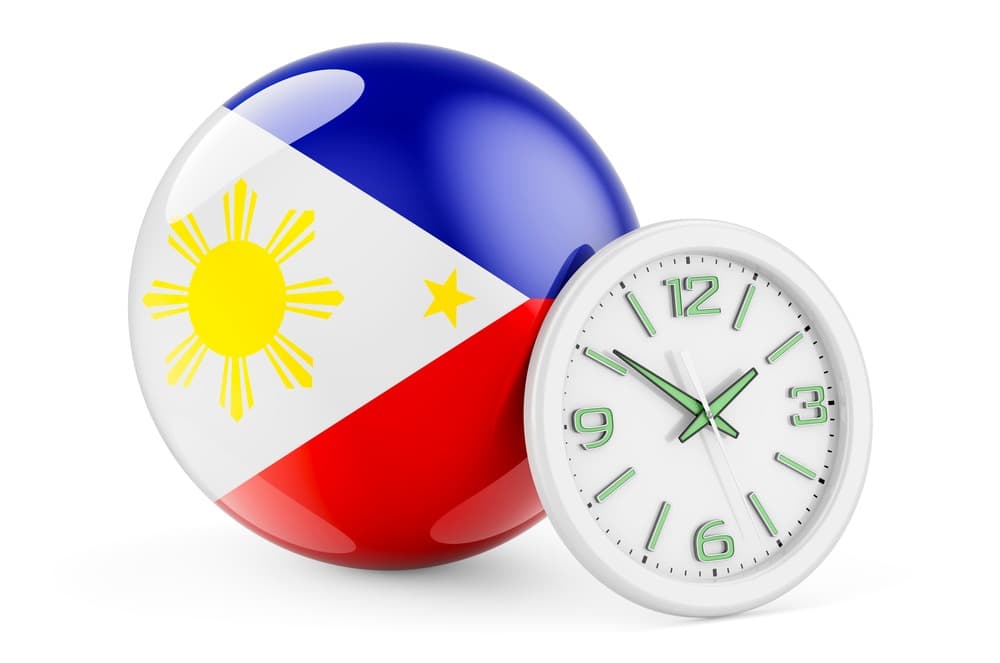
The Philippines use Philippine Standard Time (UTC + 8), a single time zone that never changes throughout the year. The archipelago observes neither daylight saving time nor standard time, which simplifies your travel planning.
Time Difference with France
The time difference depends exclusively on France's daylight saving time changes:
- In winter (UTC + 1): the Philippines are ahead by +7 hours. Example: 12 p.m. in Paris = 7 p.m. in Manila.
- In summer (UTC + 2): the difference becomes +6 hours. Example: 12 p.m. in Paris = 6 p.m. in Manila.
The archipelago is always ahead, and the gap depends solely on the French season.
Impact of Time Difference on Your Trip
Arrival in the Philippines
You'll often wake up early during your first days—your internal rhythm remains ahead. Morning light helps you adjust quickly, and the transition typically happens smoothly within one or two days.
Return to France
The return requires a bit more adjustment. It's common to have difficulty falling asleep early for a few days. Natural light, daytime activity, and regular schedules facilitate readaptation.
Tips for Managing Jet Lag
To adapt gently to Philippine time, a few simple actions suffice and make your arrival far more comfortable.
- Gradually shift your schedule before departure: by progressively advancing your bedtime and wake time during the two or three days before your trip, your body already adjusts to the new rhythm.
- Take advantage of natural light upon arrival: exposing yourself to sunlight or outdoor brightness helps your body synchronize quickly with local time.
- Stay hydrated during the flight: dry aircraft air promotes fatigue and intensifies jet lag effects; drink water regularly and avoid alcohol.
- Limit naps on your first day: if you're exhausted, choose a short break of 20 to 30 minutes so you can stay awake until evening without disrupting your rhythm.
- Plan a light start to your stay: on arrival day, opt for a walk, a relaxed meal, or a simple activity. Give your body time to adjust.
Local Time in Daily Life
The day/night cycle is particularly stable in the Philippines, which naturally influences how activities are organized.
A Consistent Cycle Year-Round
- Sunrise around 5:30 a.m. – 6:00 a.m., depending on regions and season
- Sunset between 5:30 p.m. – 6:15 p.m. on average
Impact on Your Itinerary
- Morning excursions are often the most enjoyable: milder temperatures and ideal light.
- Water activities (snorkeling, boat trips, island hopping) typically start early.
- Some facilities close earlier than in Europe, especially on less touristy islands: it's best to check opening hours before heading out.