Currency in the Philippines and Payment Methods
Traveling to the Philippines means immersing yourself in a welcoming archipelago where payment practices vary depending on whether you're in the city or on a more remote island. To make the most of your stay, it's useful to understand the local currency and the most convenient ways to settle your purchases with ease.
Traveling to the Philippines means immersing yourself in a welcoming archipelago where payment practices vary depending on whether you're in the city or on a more remote island. To make the most of your stay, it's useful to understand the local currency and the most convenient ways to settle your purchases with ease.
The Currency Used in the Philippines
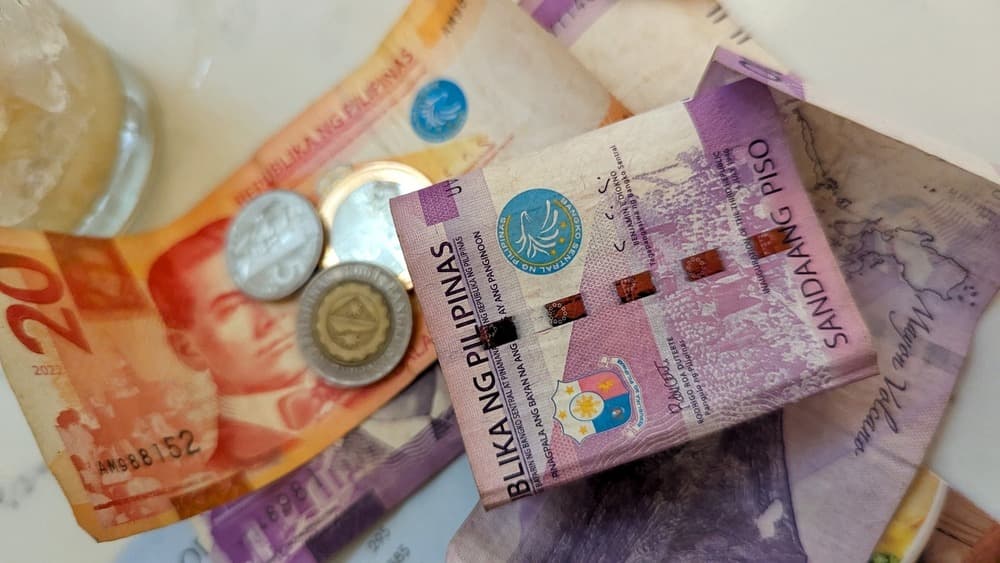
The official currency is the Philippine peso (₱ / PHP), divided into centavos. The most common coins are 1, 5, and 10 pesos, while banknotes come in denominations of 20, 50, 100, 200, 500, and 1,000 pesos. The peso is widely used throughout the country, from major cities to rural provinces, and its varied denominations make everyday spending straightforward.
Where to Exchange Money?
Airport exchange counters allow you to obtain your first pesos, but their rates are often less favorable. For better exchange rates, favor licensed money changers, shopping malls, and tourist zones.
Banks also offer reliable exchange services, though their hours are more limited (typically 9am–4pm on weekdays). Some hotels or guesthouses will exchange currency, especially dollars, at varying rates.
For a hassle-free exchange, it's best to:
- prioritize official establishments;
- avoid street changers;
- verify the notes you receive before leaving.
Withdrawing Money at ATMs
ATMs are plentiful in major cities and shopping malls, but less common in provinces and on smaller islands. Before venturing away from urban areas, plan to withdraw a cash reserve.
When withdrawing, if the ATM offers a debit in euros or dollars, decline the option—it typically applies a less favorable exchange rate than your bank offers. For greater security, use ATMs located inside malls or near banks, and avoid withdrawals late in the evening in isolated areas.
Paying by Bank Card
Visa and Mastercard are accepted at hotels, shopping malls, and urban restaurants. However, markets, small shops, and rural areas operate almost exclusively in cash.
Some merchants charge a 2% to 5% commission for card payments. When the terminal offers you the option to pay in euros, opt instead for payment in PHP, which is generally more favorable.
For added security, keep your card in sight during payment. For online purchases, an SMS code confirmation may be requested, which can be problematic with a local number.
Paying in Cash
Cash payment remains the norm in daily life: markets, local transport (tricycle, jeepney), small shops, villages, and many islands. Certain beaches, waterfalls, or natural attractions also charge an entry fee in pesos.
Always keep small denominations (20, 50, 100 PHP), which are often hard to obtain in provinces where "Sorry, no change" is common. If you're traveling to the most isolated areas, a small reserve in dollars can help if an ATM is out of service.
Mobile Payment and Digital Wallets
Mobile payment is common in major urban centers, particularly at contactless-enabled retailers. Apple Pay and Google Pay work when terminals support them.
Local digital wallets, GCash and Maya, are widely used thanks to the national QR payment system (QR Ph). However, these applications typically require a Philippine phone number and identity verification, which limits their use by foreign visitors. In rural areas, payments are almost always made in cash.
Banking Fees and Tips to Keep Costs Down
Local ATMs often charge a fixed commission for each withdrawal with a foreign card, in addition to any fees your bank may apply. To reduce costs, it is recommended to:
- group withdrawals together;
- check displayed fees before confirming;
- always pay in PHP;
- use if possible a travel-oriented bank card, typically cheaper for international transactions.
Cash Amounts and Budget
For a Simple Day
- 400 to 800 PHP: local meals, cafes, water, snacks, and short transport.
If You're Staying in the City
- 800 to 1,500 PHP: meals, cafes, taxis/Grab, and small entrance fees.
In Islands or Remote Areas
- 1,500 to 3,000 PHP: meals, local transport, basic supplies, beach and waterfall access fees. Small denominations essential.
For Specific Needs
- Markets, snacks: 300–600 PHP
- Local transport: 50–100 PHP
- Snorkeling / small activities: 150–300 PHP
- Nature access fees: 10–50 PHP