Respecting the Environment and Local Communities
Traveling to the Philippines means entering an archipelago where each island has its own rhythm, landscapes, and traditions. In these sensitive environments – coral reefs, tropical forests, coastal villages – adopting a few simple gestures helps preserve the country's beauty while experiencing a more responsible and harmonious stay.
Traveling to the Philippines means entering an archipelago where each island has its own rhythm, landscapes, and traditions. In these sensitive environments – coral reefs, tropical forests, coastal villages – adopting a few simple gestures helps preserve the country's beauty while experiencing a more responsible and harmonious stay.
Travel with a "zero waste" mindset
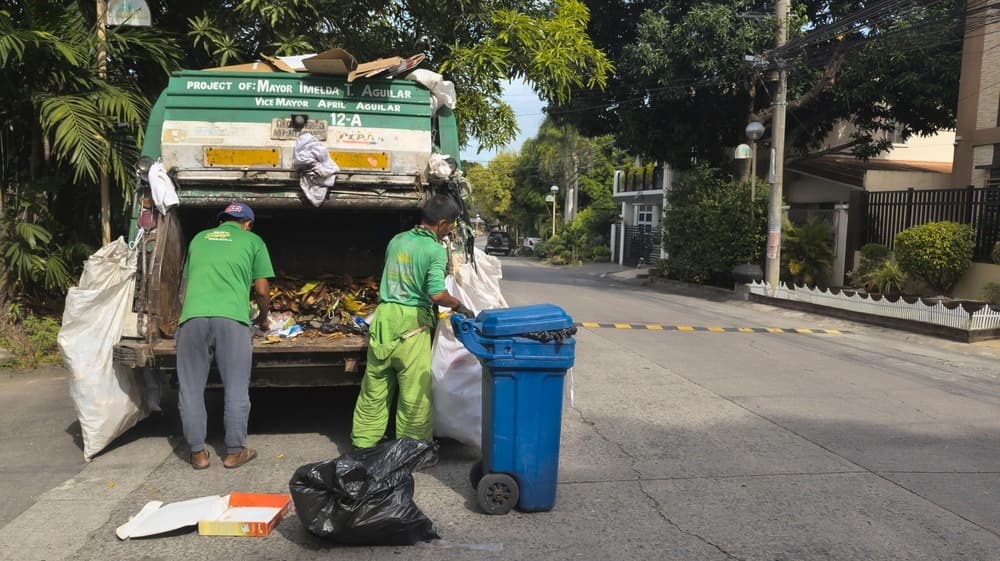
On many islands, waste management infrastructure remains limited. Acting early and reducing what you produce makes a real difference.
Reduce at source
Bringing a reusable water bottle, water filter, or cloth bag helps avoid single-use plastics, particularly prevalent in tourist areas. Opting for products with minimal or no packaging lightens your load—and your impact on the places you visit.
Manage your waste
In coastal villages or in the middle of nature, collection points can be scarce. Keeping your waste until you find an appropriate disposal location is an essential habit, especially during hikes, boat outings, or inter-island travel.
Limit invisible pollution
The Philippine coral reefs—recognized as an epicenter of the Coral Triangle—are sensitive to substances found in certain sunscreens. "Reef-safe" protection or wearing a UV-blocking shirt helps reduce this pressure. Similarly, biodegradable hygiene products, used away from water sources, contribute to preserving already fragile ecosystems.
Protect marine environments
Sites like Apo Island, Balicasag, and Tubbataha rank among the country's most spectacular destinations. To enjoy them while respecting them, a few simple habits suffice.
Adopt best practices for snorkeling and diving
Observing marine life without contact, avoiding brushing against corals, and controlling your buoyancy are essential principles, widely encouraged by operators trained to Green Fins standards.
Choose responsible operators
Many Philippine marine reserves enforce strict rules: designated entry zones, group sizes, and environmental guidelines. Following these recommendations makes the experience safer—for you and the ecosystem.
Preserve what belongs in nature
Shells, sand, coral fragments, and rocks all contribute to maintaining coastlines. Leaving them in place helps preserve the balance of beaches and reefs you came to admire.
Adopt respectful behavior toward local communities
The Philippines is home to great cultural, linguistic, and traditional diversity. Traveling while respecting these differences enriches your encounters and fosters authentic exchanges.
Observe local customs
In religious sites, villages, or markets, discretion and appropriate attire are appreciated. Asking permission before photographing someone avoids disrupting daily activities and demonstrates your respect.
Support the local economy
Artisans, markets, cooperatives, and family-run accommodations play a vital role in many regions. Choosing them directly supports traditional crafts, local incomes, and a more equitable distribution of tourism benefits.
Consume thoughtfully
On some islands, water and energy are limited resources. Simple actions—short showers, moderate air conditioning use, charging only when necessary—contribute to both residents' comfort and resource preservation.
Preserve nature during your activities
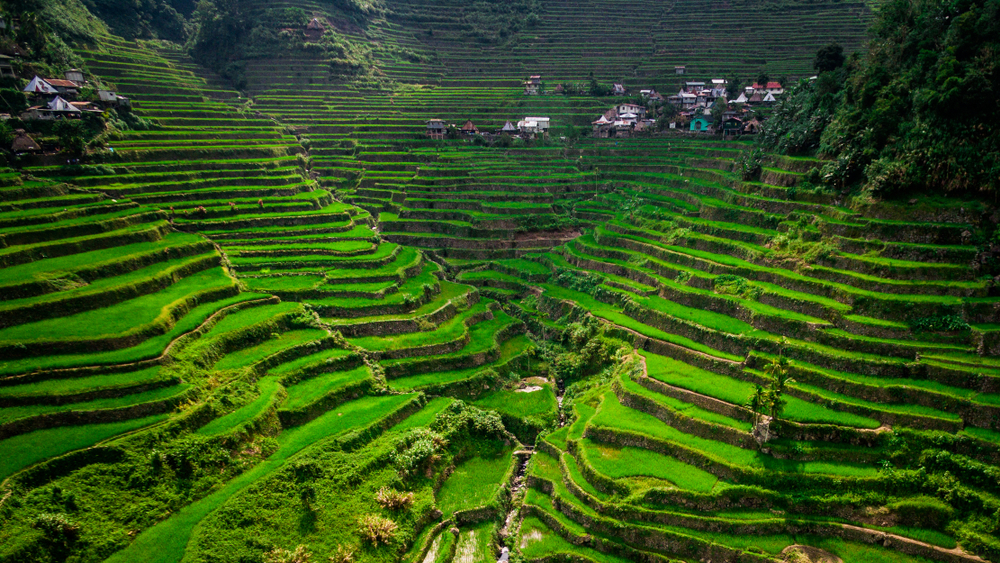
Tropical forests, rice terraces, mangroves, volcanoes, and reefs form some of the archipelago's most emblematic landscapes. Exploring them with care helps maintain their balance.
Stay on designated trails
Marked paths protect soil, vegetation, and limit erosion. Following them is crucial during mountain hikes, treks through rice fields, or forest walks.
Respect wildlife
Observing animals from a distance, walking quietly, and avoiding feeding them help preserve their natural behavior. Many local NGOs and ecotourism programs actively encourage these practices.
Enjoy without taking
Flowers, stones, driftwood, and shells all contribute to Philippine ecosystem function. Leaving them in place helps preserve landscapes for travelers who follow.
Choose authorized zones for stops
For picnics or camping, staying in designated areas minimizes impact on soil and habitats, especially on small islands where environments are more vulnerable.
Every gesture matters when exploring an archipelago as rich and fragile as the Philippines. By paying attention to nature, inhabitants, and resources, you contribute to preserving what makes the country beautiful and unique. Responsible travel is not only more respectful—it's also deeper, more human, and often more memorable.