The Visayas
With their central location and rich cultural heritage, the Visayas are an essential stop for anyone wishing to discover the Philippines in all their diversity. It's a region where you can easily move from a bustling island to a deserted beach, or from a traditional village to a world-class dive site. Accessible to all types of travelers, it offers a perfect balance between adventure and relaxation.
With their central location and rich cultural heritage, the Visayas are an essential stop for anyone wishing to discover the Philippines in all their diversity. It's a region where you can easily move from a bustling island to a deserted beach, or from a traditional village to a world-class dive site. Accessible to all types of travelers, it offers a perfect balance between adventure and relaxation.
History
The history of the Visayas is woven into the grand tapestry of the Philippine past from early times. In 1521, an expedition led by Ferdinand Magellan reached the archipelago, marking the first significant contact with Europe. It was on the island of Mactan, off the coast of Cebu, that the explorer met his end at the hands of local chief Lapu-Lapu, who has since become an emblematic figure of resistance. A few decades later, in 1565, Spanish conquistador Miguel López de Legazpi returned to the region and established the first permanent colony in the Philippines. More recently, the Visayas saw intense combat during World War II. Between March and July 1945, American forces and Philippine resistance fighters battled Japanese troops still entrenched on the islands.
Exploring the Visayas Archipelago: A World of Islands to Discover
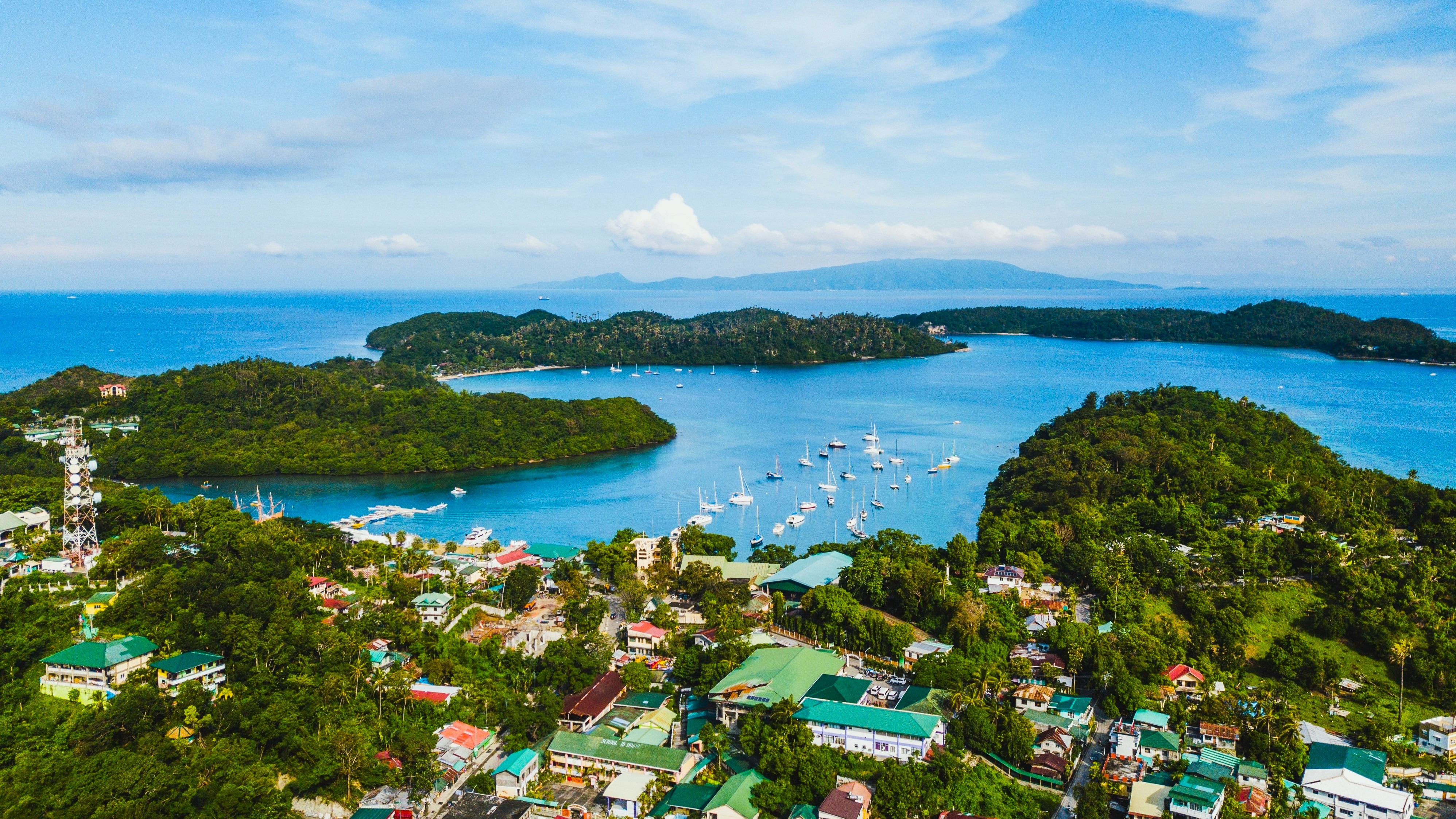
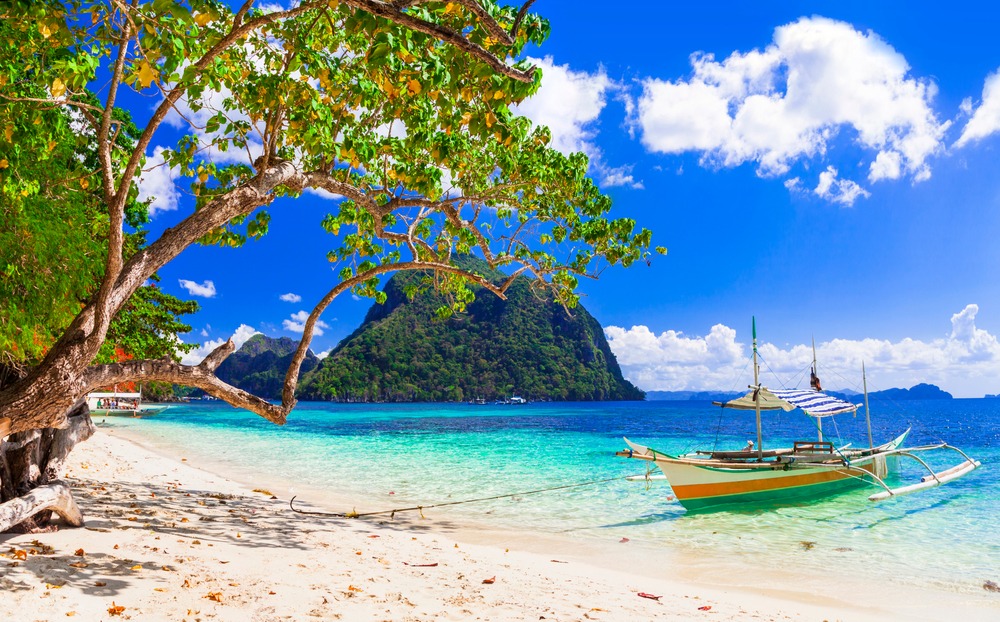
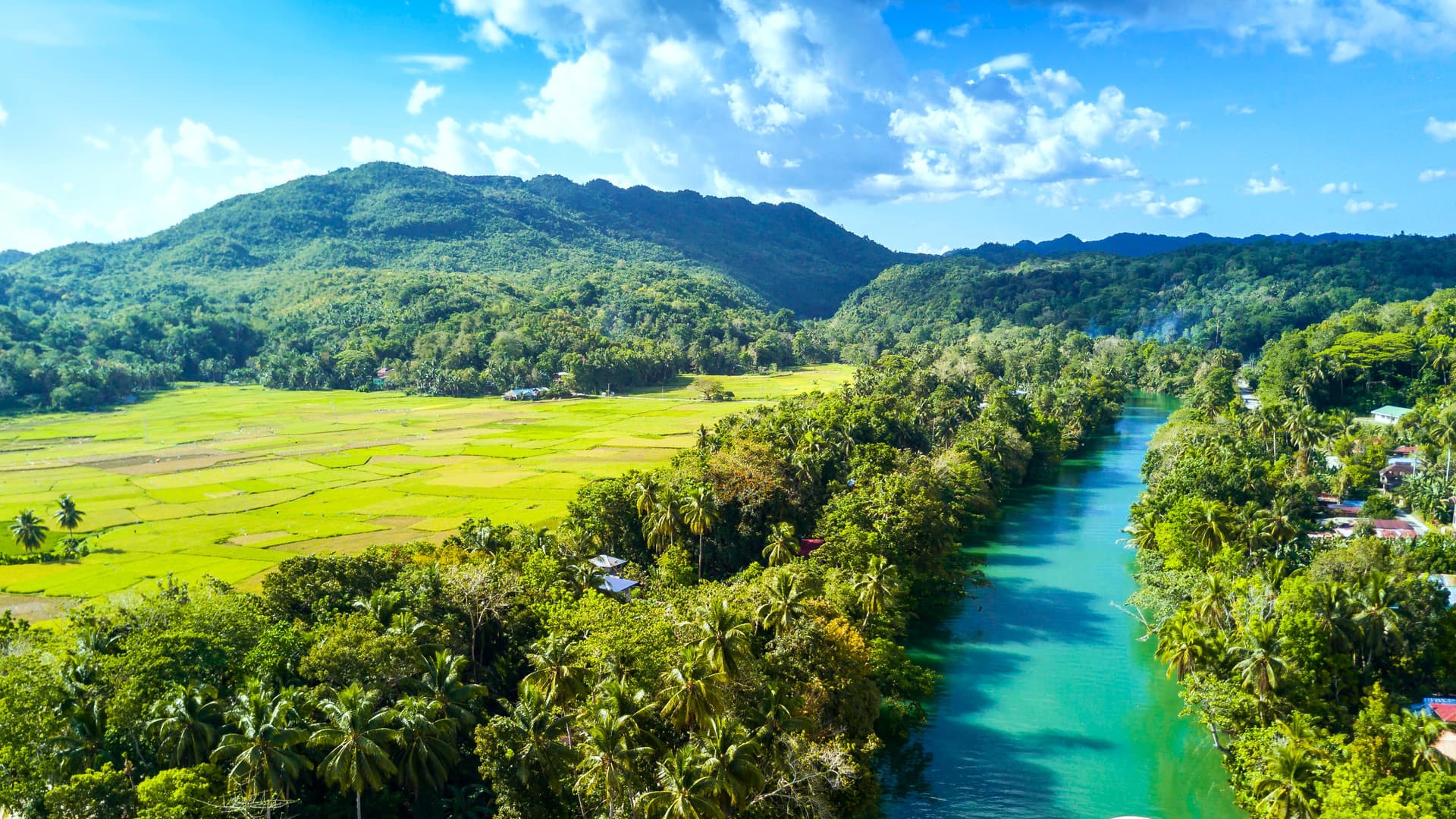
Located at the heart of the Philippines, the Visayas archipelago is bordered by the Sulu Sea to the west and the Pacific Ocean to the east. It comprises several hundred islands, many of them uninhabited. The region is celebrated for its landscape diversity—white-sand beaches, verdant hills, traditional villages, and exceptional marine environments. With renowned dive sites and countless coastal getaway options, it stands as one of the country's premier tourist destinations.
Administratively, the Visayas are divided into three regions:
- Western Visayas (Region VI), covering the islands of Panay, Guimaras, and the western portion of Negros. It encompasses the provinces of Aklan, Antique, Capiz, Guimaras, Iloilo, and Negros Occidental.
- Central Visayas (Region VII), comprising the islands of Cebu, Bohol, Siquijor, and the eastern portion of Negros. It includes the provinces of Cebu, Bohol, Siquijor, and Negros Oriental.
- Eastern Visayas (Region VIII), primarily encompassing the islands of Samar and Leyte, with the provinces of Biliran, Leyte, Southern Leyte, Samar, Eastern Samar, and Northern Samar.
Among all these islands, only a few boast well-developed tourist infrastructure, such as Negros, Cebu, Bohol, Panay, Leyte, and Masbate. The region works equally well as a beach extension to a Luzon circuit or as a complete multi-island journey.
Climate
In the Visayas, the climate remains warm year-round, with daytime temperatures ranging from 27 to 30 °C and pleasantly warm seawater ideal for swimming in every season. Even during the dry season, rain doesn't disappear entirely, though it typically falls in brief, light showers.
The Best Time to Visit the Visayas Archipelago
If you're planning a trip to the Visayas, prioritize the period between February and April. The climate is generally dry, temperatures are pleasant, and storm risks are minimal. You'll make the most of the beaches, boat excursions, and outdoor activities. Around Boracay, Panglao, or Bantayan, the sea remains warm—between 27 and 28 °C—perfect for both swimming and diving.
It's also an excellent window for exploring the underwater world, with exceptional visibility and strong chances of spotting species like whale sharks or massive sardine runs.
What to Do?
Unwind on the Island of Boracay
Renowned for its white-sand beaches and vibrant atmosphere, Boracay is a sought-after destination. You can alternate between lazy days by the water and lively evenings along the shore. It's an excellent choice if you're seeking comfort, leisure, and a dynamic nightlife.
Stay on Panglao, Off the Coast of Bohol
Quieter than Boracay, Panglao seduces with its manicured beaches, charming accommodations, and accessible dive sites. You'll find a relaxed atmosphere here, perfect for fully savoring the coastline and water activities in a more intimate setting.
Escape to the Island of Siquijor
Long overlooked by mainstream tourism, Siquijor now draws travelers seeking tranquility. Known for its legends of sorcery, it also reveals stunning beaches, unspoiled waterfalls, and a peaceful vibe.
Dive Off Malapascua
If you're a diving enthusiast, don't miss Malapascua. It's one of the few places on Earth where you can regularly encounter thresher sharks. The island remains relatively undeveloped.
Explore the Marine World of Apo Island
A small volcanic island off Negros Oriental, Apo Island is celebrated for its protected marine sanctuary. It's an excellent spot for snorkeling or diving, with vibrant coral reefs, abundant tropical fish, and occasional sea turtles.
Adventure to Kawasan Falls
Located in Cebu province, Kawasan Falls is famous for its turquoise waters and cascading pools. Discover them on foot or opt for canyoning—a thrilling activity popular with adrenaline-seeking travelers.
Rejuvenate on Kalanggaman Island
With its expansive white-sand bar surrounded by crystal-clear water, Kalanggaman, off the coast of Leyte, is perfect for a day excursion. It's cherished for picnicking, swimming, and snorkeling in a serene setting.
Admire Tumalog Falls Near Oslob
Close to Oslob, Tumalog Falls offers a singular natural backdrop, with delicate streams cascading like curtains down a rock face. A visit is often combined with whale shark spotting.
Savor the Serenity of Bantayan Island
Situated north of Cebu, Bantayan appeals with its quiet beaches, welcoming villages, and unhurried pace of life. It's an excellent alternative for those seeking to escape heavily touristed zones while still enjoying a pleasant setting.
Discover the Colonial Heritage of Cebu City
The historic capital of the region, Cebu City houses several monuments tied to the Spanish colonial era. Don't miss the Magellan Cross, Fort San Pedro, and the Basilica of Santo Niño—three iconic sites essential for understanding Philippine history.
Wander Among the Ruins of Negros Occidental
Near Bacolod, in a former sugar-plantation zone, you can visit The Ruins, the elegant remains of a 19th-century manor. The site evokes a romantic, history-laden atmosphere, often compared to a "Philippine Taj Mahal" for its origins in a love story.
Marvel at the Architecture of Molo Church in Iloilo
Located in the city of Iloilo, Molo Church stands out for its Neo-Gothic design and distinctive history. Built partly by women during the colonial period, it testifies to the region's rich cultural heritage.