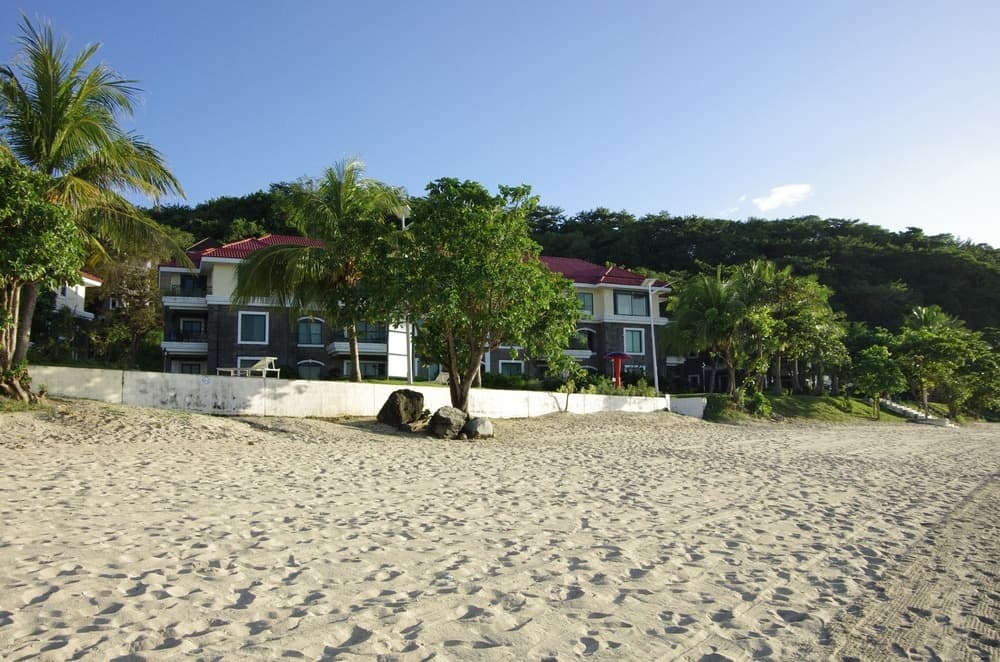
Tropical Climate and Adaptation in the Philippines
Before heading to the Philippines, familiarize yourself with the basics of the local climate. This information makes it easier to organize your activities and helps you navigate between the different regions of the archipelago.
Before heading to the Philippines, familiarize yourself with the basics of the local climate. This information makes it easier to organize your activities and helps you navigate between the different regions of the archipelago. Here are practical insights into Philippine weather.
How to Adapt to Heat and Humidity?
Coping with the Heat
In the Philippines, temperatures remain high nearly year-round. The heat can quickly become overwhelming, especially in cities and during the afternoon. To stay comfortable, wear lightweight clothing, hydrate regularly, and schedule your outings during the cooler parts of the day. These simple steps make your days more enjoyable and help you stay energized for your sightseeing.
Living with Humidity
The air is often very humid, sometimes exceeding 80%. This intensifies the sensation of heat and can tire you faster. To remain comfortable, choose breathable clothing and keep dry clothes within reach. Having a small towel or taking breaks in cool spaces can also make your travels and activities more pleasant.
Protecting Yourself from Mosquitoes
Mosquitoes are present in many regions, especially near rivers, lakes, or forests. Their bites are generally bothersome and can transmit diseases like dengue fever or chikungunya.
When and Where Are They Most Active?
Mosquitoes bite mainly at dusk and during the night, but they can also be present during the day in humid areas. Rural regions and areas close to water are most affected, unlike city centers and frequented tourist sites.
How to Protect Yourself from Mosquitoes?
- Avoid traveling at dusk and during the night,
- Wear covering clothing to protect your arms, legs, and ankles,
- Apply insect repellent to exposed areas such as your face, hands, and ankles, and reapply according to product instructions.
Monitor Your Symptoms
Even with all precautions in place, stay alert for any signs of discomfort after a bite. If you experience fever or other unusual symptoms, consult a doctor promptly.
Preparing for Typhoons
Typhoons are part of the Philippine climate, but they don't represent a constant danger to you. Understanding how they work and their impact allows you to travel with peace of mind and take appropriate precautions if necessary.
Risk and Affected Areas
Each year, the Asia-Pacific region experiences approximately 20 typhoons, some of which cross the Philippines. Only a few tourist zones are truly affected. The northern and eastern regions of Luzon are the most exposed and may experience flooding. Major tourist destinations like Palawan, Cebu, Bohol, Siquijor, and Negros are generally minimally impacted. Thanks to the PAGASA alert system, you are informed several days in advance.
Simple Precautions to Follow
Authorities implement safety measures to protect residents and travelers. Follow weather bulletins regularly and remain flexible with your itinerary.
