When to Visit the Philippines?
At the heart of Southeast Asia, the Philippines enjoy a tropical climate marked by alternating dry and wet seasons. With thousands of islands, the archipelago offers conditions that vary by region and time of year.
At the heart of Southeast Asia, the Philippines enjoy a tropical climate marked by alternating dry and wet seasons. With thousands of islands, the archipelago offers conditions that vary by region and time of year. Choosing the right time to depart allows you to best appreciate beaches, rice fields, mountains, and marine reserves in the warm, sun-drenched atmosphere typical of this destination.
Seasons in the Philippines
Dry Season (High Season)
From November to April, the Philippines benefit from a dry season marked by sunny days and pleasant temperatures, particularly between December and February. This is the ideal period to explore the archipelago, enjoy the beaches, hiking, and sea excursions. The sea is generally calmer, offering excellent conditions for diving and snorkeling. However, this period also corresponds to peak tourist season: some destinations can be more crowded, and accommodation rates may rise during the year-end holidays or Holy Week.
Wet Season (Monsoon)
From May to October, the monsoon brings more humid weather, with regular showers and pronounced humidity. Lush landscapes, a quieter atmosphere, and often more favorable rates appeal to travelers seeking tranquility. However, this season can come with weather disruptions, particularly between July and September, when the risk of typhoons is higher in certain regions. Traveling during this period remains possible, especially by targeting less-exposed areas and planning alternative activities in case of rain.
Regions and Climatic Differences
Luzon and Northern Philippines
In the north of the archipelago, Luzon experiences two distinct seasons, with a more pleasant dry period from November to April. Manila can be visited year-round, though April and May are particularly hot. In mountainous regions, such as Banaue, temperatures are cooler and humidity more pronounced, with regular rainfall regardless of season. The eastern coast, exposed to winds, follows an inverse pattern and remains wet much of the year. Special attention is recommended from September to October, when typhoons may impact the northern part of the country.
Visayas
At the heart of the Philippines, the Visayas benefit from a more regular climate, with often moderate rainfall throughout the year. The most favorable period generally extends from November to May, when temperatures are pleasant and showers less frequent. March and April offer particularly favorable conditions for beach activities, even though the heat can be more intense. Conversely, between July and October, the risk of weather disruptions increases, particularly on islands exposed to the east of the region.
Mindanao
Further south, Mindanao enjoys hot and humid weather almost year-round. The period from December to April is generally the most pleasant, with less frequent rainfall, particularly around Davao, protected by mountains. Certain areas, like Siargao, experience an inverse pattern, with more pronounced precipitation depending on the season and excellent surfing conditions between September and December. Overall, showers remain possible in any season, but they don't prevent you from enjoying your trip if you favor the most clement periods.
Best Time According to Your Interests
The Philippines offer varied experiences depending on the seasons. Sun-bathed beaches, crystal-clear lagoons, highland rice fields, or sacred volcanoes…every journey finds its ideal moment. Here are some guidelines to help you choose the period best suited to your plans.
Beaches and Islands
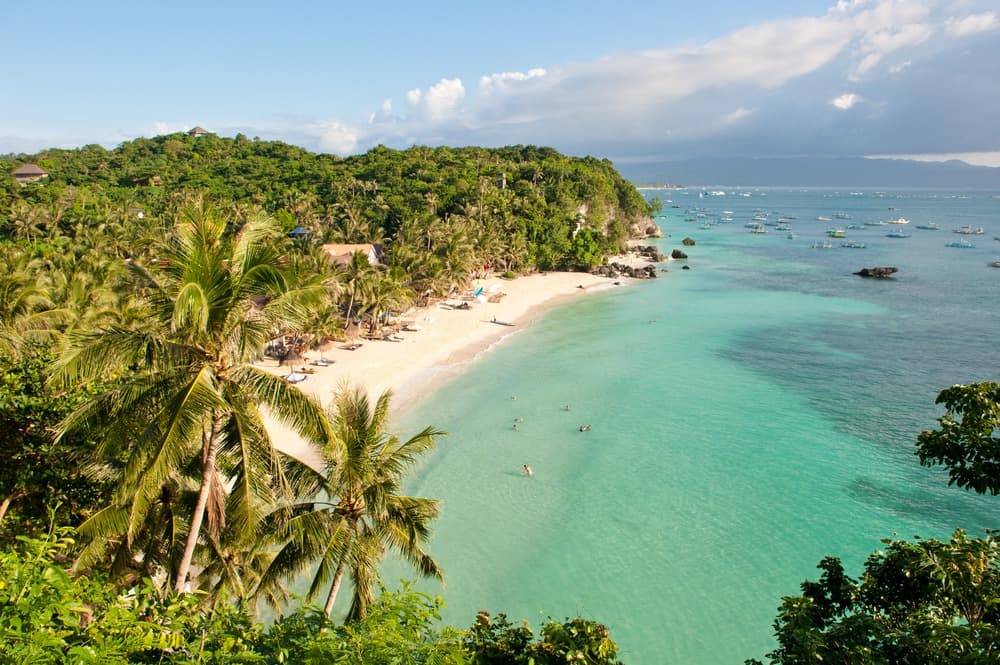
The period from December to April remains the most favorable for enjoying the islands: clear skies, calm sea, pleasant heat. This is the perfect time to alternate cruises, relaxation, coastal walks, and sunsets on tranquil beaches.
Diving and Snorkeling
From November through May, underwater visibility reaches its best levels. Coral reefs, anemone gardens, and marine reserves then reveal their full biological richness.
Hiking and Volcanoes
From December to March, the reliefs of the North and the Cordillera offer ideal conditions: drier air, milder temperatures at altitude, clear trails, and unobstructed panoramas. A privileged time to explore terraced rice fields, valleys, and volcanic ridges.
Whale Sharks
At Donsol, the most favorable period runs from February to April. At Oslob, they can be encountered year-round, but feeding practices raise ethical questions: favor responsible outings to preserve these ocean giants.
Festivals and Culture
January and February mark the archipelago with luminous celebrations: Sinulog in Cebu, Ati-Atihan in Aklan, floral celebrations of Panagbenga in Baguio. At the end of the dry season, Holy Week marks a high point of fervor and local traditions.
Month by Month: The Essentials
- January – April: dry season, bright days and mild temperatures: ideal period to explore the archipelago.
- May – June: marked heat, first showers; lush landscapes, calmer atmosphere.
- July – August: more regular precipitation, quiet atmosphere, gentler rates.
- September – October: peak monsoon with typhoon risk; beautiful period for surfing on the east coast.
- November – December: gradual return of fair weather, mild atmosphere, and excellent timing for the islands.
Tips for Making the Right Choice
- Adapt your itinerary according to the regions you visit: some areas remain pleasant even during the wet season.
- Check weather conditions a few days before departure.
- Take into account major local festivals, which influence tourism and rates.
- Favor flexible activities in case of showers, especially between June and October.
- Book early if you travel between December and March, a highly sought-after period.