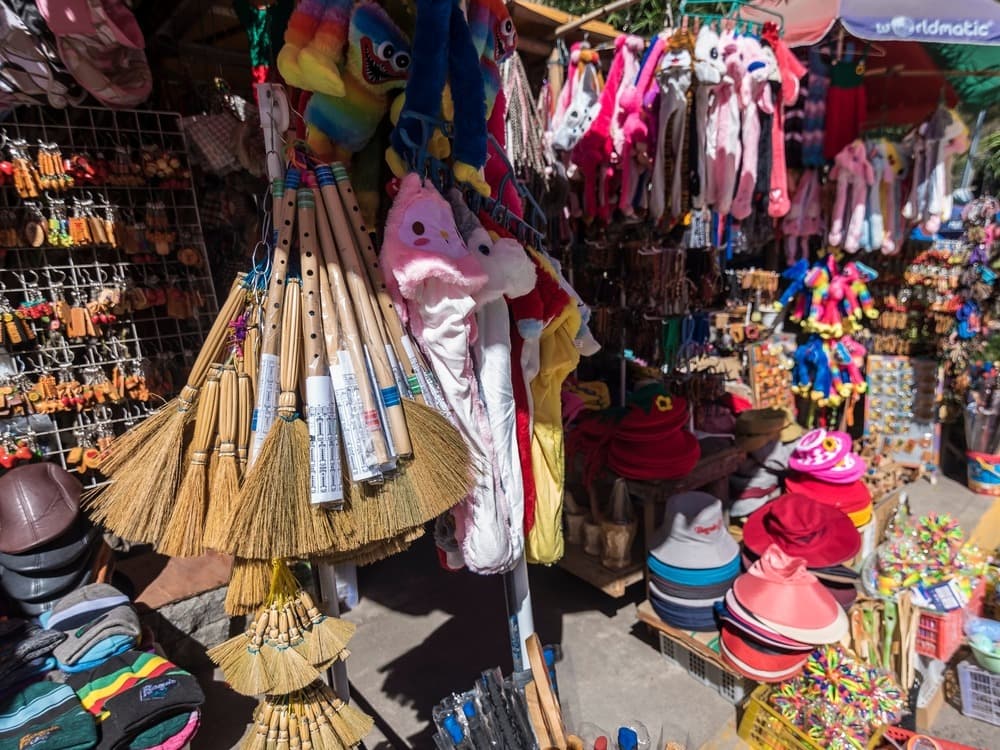
What souvenirs can you buy in the Philippines?
Wondering what souvenir to bring back from the Philippines? Thanks to its traditional culture and local craftsmanship, the archipelago is full of gift-souvenirs!
Wondering what souvenir to bring back from the Philippines? Thanks to its traditional culture and local craftsmanship, the archipelago is full of gift-souvenirs! Cultured pearls, Capiz, Jeepneys toys, abaca bag, culinary specialties… Discover 11 authentic gift ideas that are easy to pack in your suitcase.
1. Capiz shell objects
Capiz is a mollusk from the Visayas province. Related to the oyster, it is distinguished by its translucent shell that lets light filter through. "Capiz shells" are often transformed into decorative objects, such as lamps, chandeliers, or trays. In the Philippines, they are commonly used as coasters.
Their pearlescent quality and delicate nature are also highly prized in the jewelry world, for making bracelets, necklaces, or pendants. These Capiz objects require meticulous work and are crafted by local artisans.
2. Pearl jewelry (the Philippines' finest craftsmanship)
The Philippines rank among the world's largest producers of cultured pearls, thanks to their numerous pearl farms, including those on Mactan Island and in Palawan province.
The archipelago is renowned for the quality of its pearls. Indeed, the Philippines cultivate thirteen types of pearls, often grouped under the "South Seas Pearls" variety. These are celebrated for:
their diversity (golden, black, or freshwater pearls),
their luster (ranging from blue, white, pink, or silver hues),
their size (pearls produced in the Philippines can reach 22 mm in diameter),
their deep lustre (the way they reflect light),
their traditional harvesting method,
their hand-polished finish (using oyster shells).
Many foreign visitors make a stopover in Manila to purchase these exceptional pearls and jewelry. Note that Jewelmer is one of the leading brands for acquiring authentic and quality pieces.
3. Baníg mats: The quintessential Philippine souvenir
Banig is a traditional mat, used as a floor covering or sleeping mat. Hand-woven, it is made from strips of rattan, palm leaves, or sedge plants.
The weaving of baníg is part of a long artisanal tradition. Each piece reflects the experience and craftsmanship of local artisans, with patterns and colors unique to each region. Embroidery and textile details add character to these mats (which are a significant source of income in certain areas).
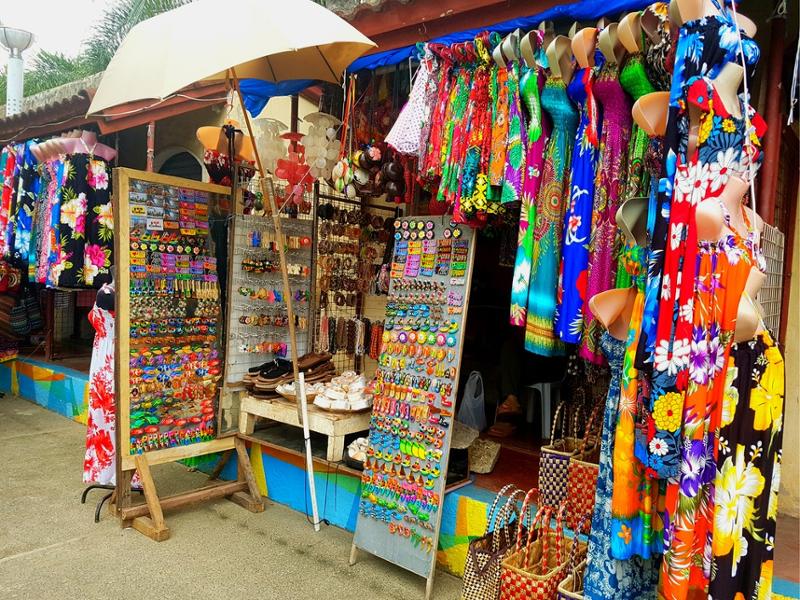
4. Jeepneys toys
An emblematic symbol of Philippine culture, jeepneys were originally American military jeeps, left behind after troop withdrawal at the end of World War II. Transformed into public transport vehicles, these vehicles are now essential to the Philippine urban landscape!
Each jeepney is unique and reflects the personality of its driver. Often decorated with bright colors, colorful patterns, and chrome elements, each vehicle is named and bears a feminine name on its body.
You'll find miniature reproductions (jeepneys toys) in local markets or souvenir shops. A small gift, easy to transport, ideal as a toy or decorative object.
5. Manila abaca bag
Abaca bags are made from a natural fiber derived from the banana plant. Nicknamed "Manila hemp," this material stands out for its soft texture and great strength.
Once used for making fishing nets, abaca is now highly valued in textile craftsmanship. It is used to create bags, as well as mats or decorative objects. Each hand-woven piece is unique.
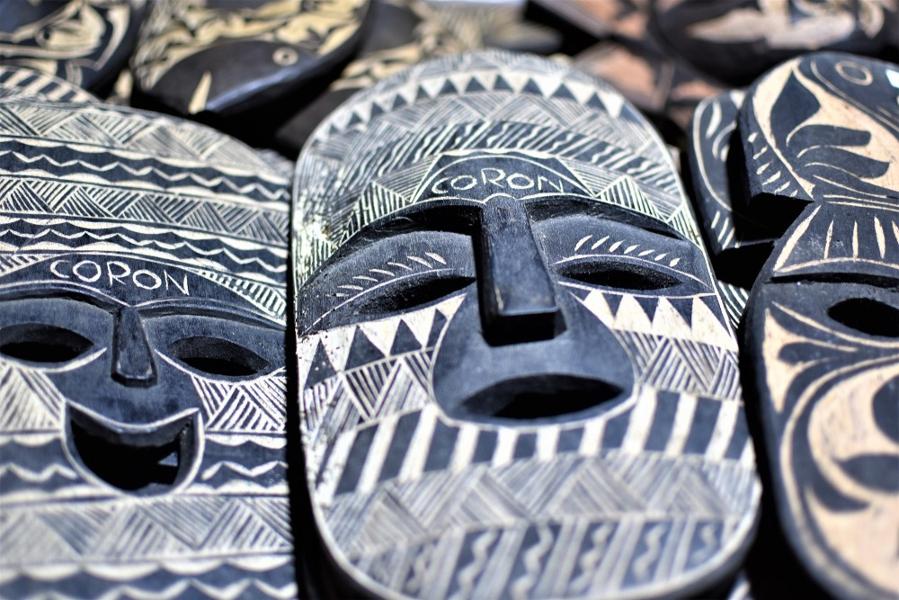
6. A (fake) wooden Bulul sculpture
A bulul is a wooden statue from the Ifugao tribes of northern Luzon Island. In traditional culture, these sculptures represent ancestors and are designed to ward off the anger of spirits and protect rice crops.
Authentic bulul sculptures are prohibited for sale. If you find objects of this style for sale at a market or antique fair, do not buy them, as they will be confiscated at customs. However, you can bring back imitations..
7. Barong Tagalog
The barong tagalog is the traditional men's shirt. Light and casual, it is worn untucked! Once reserved for special occasions, it is now worn daily.
In its traditional manufacture, a barong tagalog is woven from fibers of piña (pineapple) leaves or abaca (banana plant). This local know-how, passed down through generations, now incorporates other textile fibers.
Depending on the quality of natural materials and the fineness of embroidery, each barong tagalog reflects the meticulous work of local artisans. A souvenir gift that is both typical and refined, a symbol of local culture.
8. Philippine cigars
If you are a cigar enthusiast, know that the Philippines archipelago ranks among the world's best producers! Tobacco cultivation was introduced there by Spanish missionaries during the colonial era, before becoming an important and lucrative economic activity.
Most tobacco is cultivated on Luzon Island, particularly in the Cagayan Valley and surrounding Manila. For this reason, cigars produced in the Philippines are often called "Luzon Tobacco."
It is possible to bring them back to France or the European Union, provided you respect the authorized customs limits, namely: 50 cigars. Note that you can also bring back 400 cigarettes or 250 grams of tobacco per traveler.
9. Coffee
The Philippines are home to several varieties of coffee. Brought from Mexico in the 18th century (by a Franciscan monk), the first coffee tree was reportedly planted in Lipa, in Batangas province. Thanks to the country's tropical climate, coffee production subsequently developed in several regions.
The Philippines' advantage? It is one of the rare countries to produce four main coffee varieties: Arabica, Liberica, Excelsa, and Robusta; each marked by different aromas and intensities. A way to extend your journey once you're home…
10. Culinary specialties
Coconut-based products
The Philippines are the world's leading coconut producer. Its coconut oil is highly prized for its high quality and purity. The archipelago also produces coconut-based spirits, such as Lambanog (a coconut vodka) and Tuba (fermented coconut sap). Note that you can only bring back two bottles of alcohol of one liter each.
Dried mangoes
Thanks to its tropical climate, the archipelago also produces delicious mangoes. Unfortunately, bringing back fresh mangoes is prohibited. To enjoy their flavor, don't hesitate to buy dried mangoes, renowned for their taste and chewy texture.
Taho
Taho is a street snack sold by magtatahos (street vendors). It is a dessert made of silky tofu, sweet syrup, and tapioca pearls. Impossible to bring back in this form, it is available as a soluble version or in candy flavors.
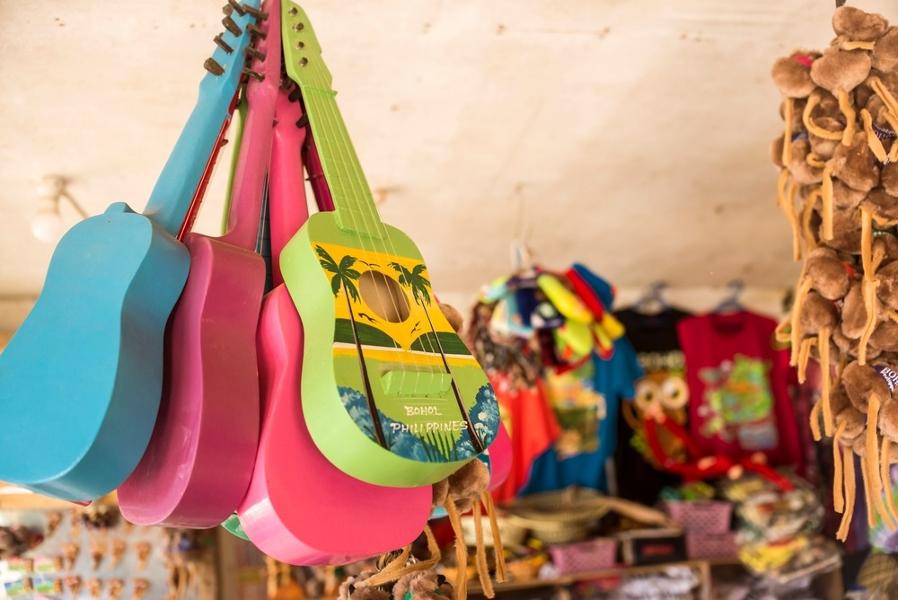
11. Small traditional musical instruments
As decoration or a gift for a music enthusiast, you can also bring back small traditional musical instruments:
Kubing (or Kulibing): a bamboo jaw harp that is very common and easy to fit in your suitcase.
Kulintang: a traditional percussion instrument, of which miniature versions exist.
Balingbing: a bamboo idiophone.
Prohibited items to bring back from the Philippines
Before packing Philippine souvenirs into your suitcase, it's important to know which items are prohibited! This will save you disappointment and trouble at customs…
Shells and sand
Most restrictions aim to preserve biodiversity and prevent the spread of harmful organisms or those dangerous to the ecosystem of importing countries. Also, even if picking up a souvenir on the beach may seem harmless, this practice is prohibited because it disrupts local fauna and flora.
A simple shell picked up on a beach may seem insignificant, but multiplied by thousands of tourists, this action weakens an entire ecosystem and impoverishes coastlines! Corals, for example, are partly threatened with extinction because of their excessive collection.
Items of animal origin
Parts of dead animals, such as teeth, shells, or skin are strictly prohibited for export. These often come from protected species and their illegal trade contributes to their disappearance. The same applies to objects made from these materials.
Local works of art
Certain works of art and valuable objects are subject to special regulations and require an export authorization. When making your purchases, remember to ask for a certificate.
Frequently asked questions
Is it possible to bring back shells from the Philippines?
No, it is strictly forbidden to bring back shells, sand, corals, or any other natural element from the Philippines. Even small shells picked up on the beach are confiscated at customs. Local regulations protect all its fauna and flora, and only travelers with official authorizations can transport organic elements. This prohibition also applies to seeds and plants typical of the country, such as the Saba banana tree.
Where can I buy pearls in the Philippines?
One of the best-known addresses for buying pearls in the Philippines is the Greenhills Shopping Center, located in Manila. Opened in the 1970s, this mall has many boutiques and features a dedicated area for pearl trading. In the early 2000s, about 90% of South Seas pearls were sold at Greenhills.
Frequently asked questions
Among the souvenirs most representative of Philippine culture are South Seas pearl jewelry, capiz shell objects, abaca bags, miniature jeepney reproductions, and the barong tagalog. These items are easily found in local markets and souvenir shops.
It is possible to bring back Philippine coffee (arabica, robusta, liberica, excelsa), dried mangoes, coconut-based products, and spirits like Lambanog within the limit of 2 bottles of one liter each. However, fresh fruit such as fresh mangoes are prohibited for import into France.
The Philippines are one of the world's largest producers of cultured pearls, particularly South Seas pearls. To ensure the authenticity of your purchase, favor recognized boutiques such as Jewelmer or the Greenhills Shopping Center in Manila. Always ask for a certificate of authenticity when making your purchase.
It is strictly forbidden to bring back from the Philippines: shells, sand or corals collected on beaches, parts of protected animals (teeth, shells, skin), authentic bulul sculptures, and certain works of art without export authorization. These restrictions aim to protect biodiversity and Philippine cultural heritage.
In Manila, the Greenhills Shopping Center is an unmissable reference for buying pearls and jewelry. For local crafts (abaca bags, capiz, musical instruments), visit local markets such as Silahis Arts & Artifacts or shops in the Intramuros district. Avoid poor-quality souvenirs sold in highly touristy areas.