Eating in the Philippines: Specialties and Local Habits
Philippine gastronomy reveals itself first through simple habits: a bowl of rice shared at the table, a snack grabbed on the go, or a meal savored with family. These moments show the central place food holds in daily life and offer a first glimpse into local cuisine.
Philippine gastronomy reveals itself first through simple habits: a bowl of rice shared at the table, a snack grabbed on the go, or a meal savored with family. These moments show the central place food holds in daily life and offer a first glimpse into local cuisine. Discover what appears most often on Filipino plates.
Eating Habits
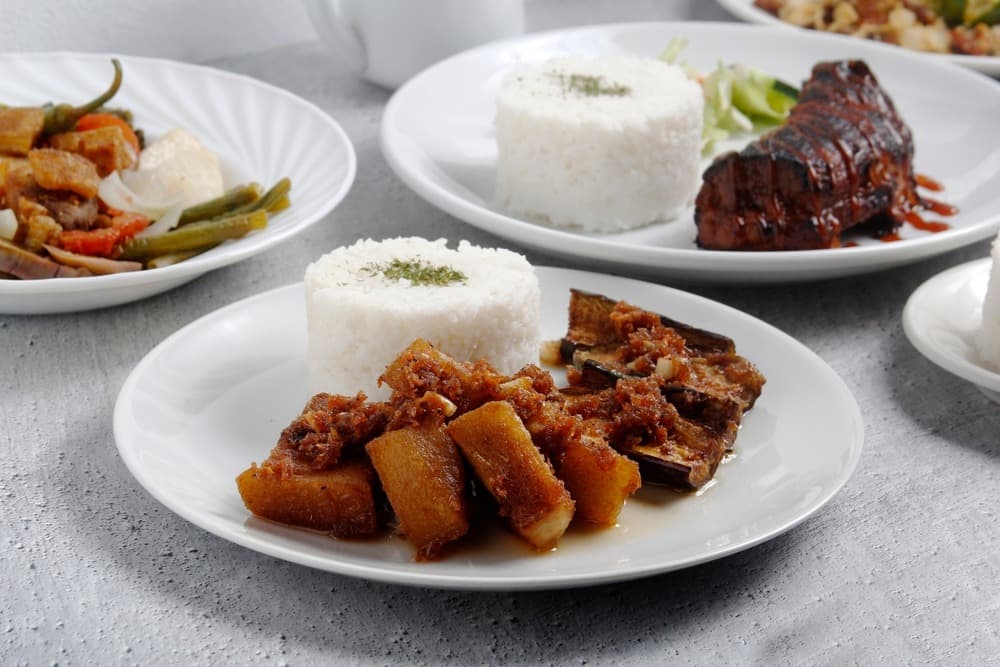
In the Philippines, meals serve more than just nourishment. They are woven into daily life and naturally create moments of togetherness. Throughout the day, you'll notice locals moving seamlessly between meals and small snacks, the famous "meriendas". Meals are often enjoyed as a group: a bowl of rice sits at the center of the table, surrounded by several dishes that each person seasons to their taste with vinegar, calamansi, soy sauce, or shrimp and fish pastes (bagoong, patis). This gesture underscores the importance of sharing in Philippine culture.
Breakfast also holds an essential place. The various "silog" dishes—whether tapsilog, longsilog, or tocilog—combine rice, eggs, and meat.
Top 10 Philippine Culinary Specialties
Adobo
You'll find adobo almost everywhere in the Philippines. This dish is simmered in vinegar, soy sauce, and garlic and prepared with chicken or pork. Each family or restaurant adds their own touch: a splash of coconut milk, a hint of sugar, or a whisper of chili. Served with hot rice, it is simple, quick, and perfect for a comforting meal any time of day.
Sinigang
Sinigang is a pleasantly tangy soup often made with tamarind. It's prepared with pork, fish, or beef, accompanied by local vegetables. Its flavor is slightly sour yet deeply refreshing.
Lumpias
These spring rolls, fried or fresh, are enjoyed as an appetizer or snack. They're filled with vegetables, meat, or shrimp and often served with a sweet or spicy sauce. Biting into a lumpia is savoring the marriage of texture, lightness, and flavor—and understanding why this small dish graces both celebrations and everyday tables.
Lechon
Lechon is the star of major celebrations. This suckling pig, slowly roasted on a spit, reveals golden, crispy skin and tender meat. You'll see it on tables at family gatherings and religious events. It's always accompanied by house-made sauces. This specialty embodies the generosity and spirit of sharing that characterize Filipino meals.
Bicol Express
If you love heat, this dish is made for you. A blend of pork, coconut milk, and chilis, Bicol Express hails from the region of the same name. You'll find it in local cantinas and family restaurants. Every cook adds their own touch to balance the creaminess of coconut milk with the fire of the peppers.
Kare-Kare
Kare-kare is a creamy stew of beef, vegetables, and peanut sauce. It's often served with shrimp paste and is typical of large family gatherings. Tasting this dish, you'll immediately sense the care taken with flavors and the desire to share a comforting meal with loved ones.
Halo-Halo
For a refreshing dessert, let yourself be tempted by halo-halo. Shaved ice, fruits, flan, and sweetened beans blend into a colorful mixture. You can enjoy it from street stalls or cafés and experience this uniquely Filipino pleasure, best savored on hot days.
Balut
Balut is an incubated duck egg, sold in streets and markets. It's a gastronomic challenge that locals often enjoy with salt or chili. Tasting balut means stepping into a unique culinary tradition and understanding the Filipino approach to "food without waste".
Laing
Originating from Bicol, laing combines taro leaves, coconut milk, and chili, sometimes with dried meat. Served with grilled fish or pork, this creamy, spiced dish perfectly illustrates the richness of tropical ingredients and how Filipinos marry taste with authenticity.
Pancit
This is a generic term for Philippine noodles. It symbolizes longevity and fellowship. Bihon, canton, or palabok: each version appears in carinderias or on family tables. With a squeeze of calamansi over the top, you'll discover how a simple dish can bring everyone together in a shared moment.