Luzon
Luzon
Luzon brings together the capital Manila, the rice terraces of Ifugao, Mount Mayon volcano, and Cordillera villages. The largest island in the Philippines offers a unique diversity of landscapes and cultures in Southeast Asia.
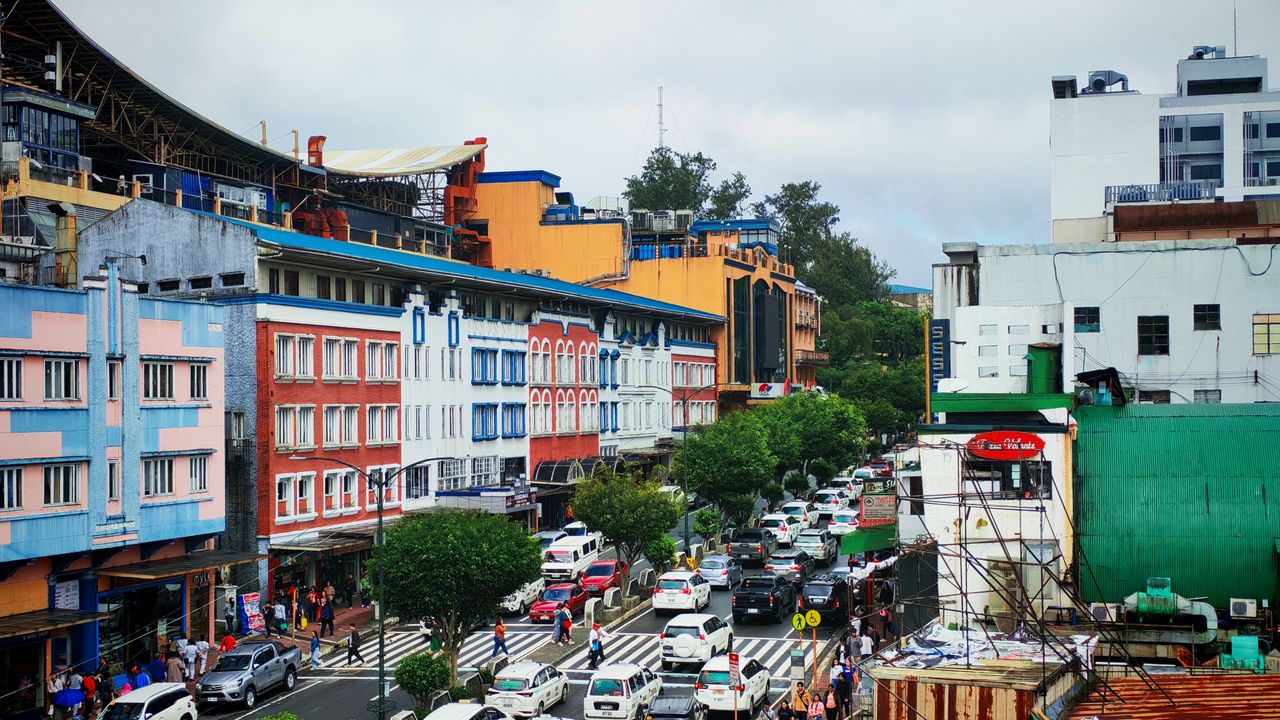
Luzon is the largest island in the Philippines and one of the most densely populated in Southeast Asia. It concentrates the capital Manila, the rice terraces of the Cordilleras, active volcanoes, and jagged coastlines between the South China Sea and the Pacific Ocean. Each region presents a distinct character: dense metropolis in the south, cool mountains at the center, agricultural plains and wild peninsulas to the north and east.
Quick Reference Guide
- Main access: Ninoy Aquino International Airport (Manila, NAIA) — regional and international hub.
- Other airports: Clark (Angeles), Laoag, Legazpi, Tuguegarao for remote regions.
- Internal transport: long-distance buses (Victory Liner, Partas, etc.), jeepneys, tricycles, coastal ferries.
- Recommended duration: 10 to 21 days to cover multiple regions without rushing.
- Best time: November to April (dry season); the Pacific side (east) receives winter rainfall.
- Clothing: light in plains, warm layers essential in the Cordilleras (Baguio, Sagada).
What You'll See
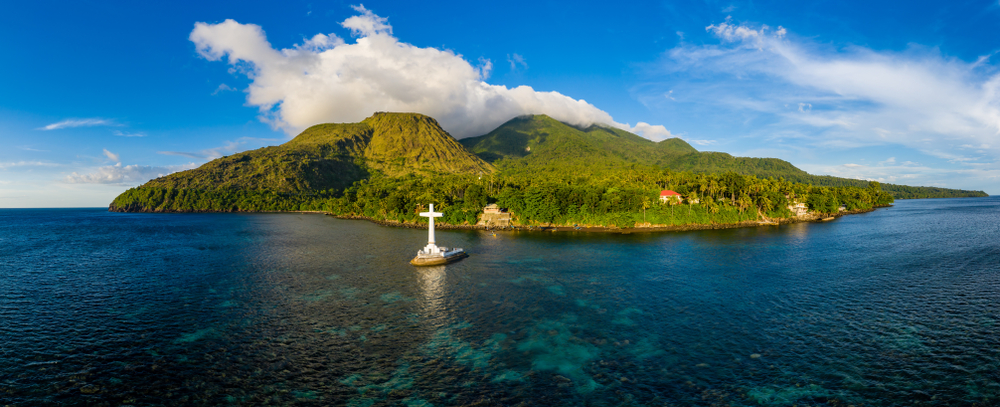
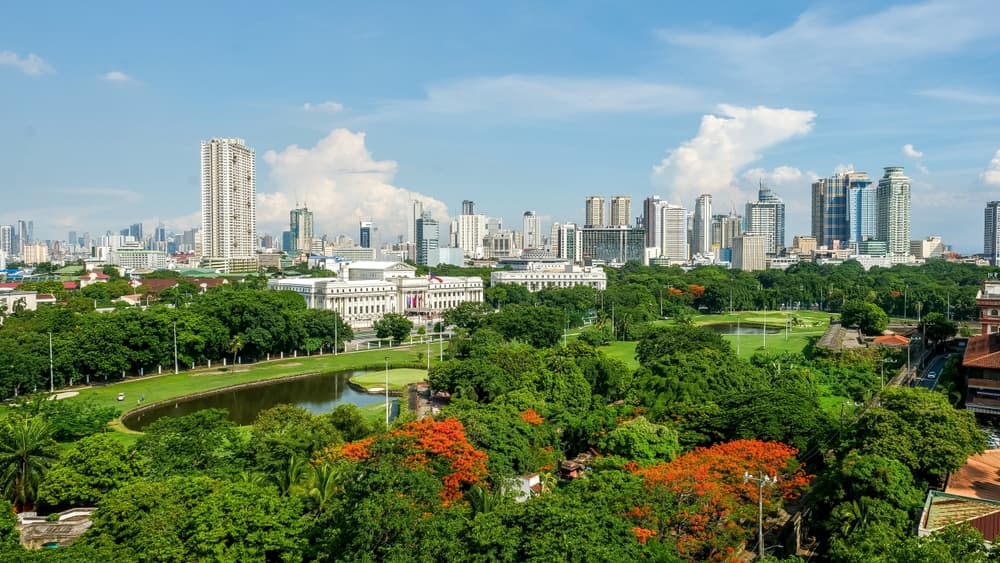
Luzon brings together radically different landscapes on a single island. In the north, the Ifugao rice terraces (UNESCO heritage) sculpt the flanks of the Cordilleras for over two thousand years. Mount Mayon (Albay) traces an almost perfect cone above the Bicol plains. The Taal Lake contains a volcano within a lake, itself within a larger lake. Manila concentrates the fortified historic district of Intramuros, national museums, and intense nightlife in Bonifacio Global City.
History and Context
Luzon has been inhabited for at least 67,000 years, as evidenced by remains of Homo luzonensis discovered in Callao Cave (Cagayan). Malay kingdoms and Chinese trading networks predate Spanish arrival in 1565. Manila becomes colonial capital in 1571. Three centuries of Spanish rule, then American (1898-1946), shaped the island's architecture, language, and culture. World War II left deep marks: the Battle of Manila (1945) destroys much of the city.
Highlights of a Visit
Ifugao Rice Terraces
Banaue and Batad offer the most spectacular views of these hand-built terraces. The trek to the Batad amphitheater remains accessible without technical equipment. Igorot villages maintain ancestral agricultural and ritual practices.
Mount Mayon and the Bicol Region
Mayon (2,463 m) is one of the Philippines' most active volcanoes. The city of Legazpi serves as a base for hikes and overflights. The region is also known for its spicy coconut milk cuisine (Bicol Express).
Intramuros, Manila
The 16th-century Spanish fortified city preserves its ramparts, Fort Santiago, and Manila Cathedral. It is the historic heart of the capital, to be explored on foot or by carriage (kalesa).
Sagada and the Cordilleras
This mountain village is known for its hanging coffins suspended from cliffs, its caves (Sumaguing), and hiking through rice terraces. The altitude maintains cool temperatures year-round.
Pagudpud Coast and Northern Ilocos
The beaches of Pagudpud (Ilocos Norte) offer turquoise waters with few visitors. The Ilocos region retains Spanish colonial houses in Vigan, a city classified as a UNESCO World Heritage site.
Photography Tips
- Ifugao rice terraces: golden light in late afternoon; the planting season (June-July) brings intense green reflections.
- Mount Mayon: early morning from Legazpi or Cagsawa — clouds often cover the summit after 9 a.m.
- Intramuros: blue hour before sunrise to avoid crowds and heat haze.
- Sagada hanging coffins: diffused light mid-morning; avoid flash out of respect for the site.
Location and Access
Luzon is the large northern island of the Philippine archipelago. Manila, in the southwest, is the main entry point. From there, long-distance buses serve Baguio (approximately 5-6 hours), Vigan (8-9 hours), and Legazpi (10-12 hours). Domestic flights (Cebu Pacific, Philippine Airlines) connect Manila to Laoag, Tuguegarao, Legazpi, and Naga in less than two hours.
Nearby
- Intramuros — colonial fortified district of Manila, natural starting point to explore Luzon.
- Banaue Rice Terraces — UNESCO-listed Ifugao terraces, 8-9 hours by bus from Manila.
- Mount Mayon — iconic volcanic cone in the Bicol region.
- Vigan — Spanish colonial city listed UNESCO in Ilocos Sur region.
- Sagada — Cordillera mountain village, caves, and hanging coffins.
- Taal Lake and Volcano — volcanic landscape two hours south of Manila.
Want to discover this destination?
Our local advisors design your tailor-made trip.