Pampanga
Pampanga, a province in central Luzon, captivates with its renowned Kapampangan cuisine, its spectacular giant lantern festival in December, and historic sites marked by the Pinatubo eruption.
Pampanga is a province in central Luzon, approximately 80 km north of Manila. Dubbed the "culinary capital of the Philippines," it is renowned for its inventive cuisine, spectacular festivals, and Christmas craftsmanship exported worldwide. The province blends Spanish colonial heritage, vibrant Kapampangan culture, and fertile plains at the foot of Mount Arayat volcano.
Quick Practical Information
- Access from Manila: buses from Cubao or Pasay terminals to San Fernando; journey of approximately 1.5 to 2 hours depending on traffic.
- Recommended duration: 1 to 2 days to combine cuisine, historic sites, and craftsmanship.
- Best time to visit: November to April (dry season); December for the giant lanterns of the Ligligan Parul festival.
- Dress code: casual attire; cover shoulders and knees for churches.
What to See
Pampanga concentrates several distinct attractions. San Fernando is home to the San Juan de Dios Church, a 17th-century colonial building. The city of Angeles offers vibrant nightlife and the historic Balibago district. Mount Arayat, an extinct volcano in the center of the plain, offers hiking in a national park. Local markets overflow with tocino, longganisa, and sisig, emblematic dishes of Kapampangan cuisine.
History and Context
Pampanga is one of the first provinces created by the Spanish in 1571. The Kapampangans played a key military role alongside the colonizers, which earned them particular privileges. The province suffered heavy damage during World War II, notably in Angeles, home of the Clark Air Base. The 1991 Pinatubo eruption covered part of the province in lahars, permanently reshaping the landscape.
Highlights of Your Visit
Giant Lantern Festival (Ligligan Parul)
Each December, San Fernando hosts this festival where electric lanterns several meters in diameter compete in luminous complexity. Local artisans spend months crafting them. It is one of the most photographed year-end events in the country.
Kapampangan Cuisine
Sisig — minced pork grilled and served on a hot plate — was born in Pampanga. Restaurants in San Fernando and Angeles offer authentic versions. Morning markets sell artisanal tocino and longganisa, distinctive from the rest of the country by their sweet flavor.
Mount Arayat National Park
This extinct volcano peaks at approximately 1,026 m. Two marked trails lead to the north and south summits. Tropical forest harbors diverse wildlife. Natural pools below are frequented by locals on weekends.
Christmas Craftsmanship in Bacolor and Betis
The town of Betis is known for carved wooden furniture and religious objects. Bacolor, partially buried under Pinatubo lahars, preserves a colonial church whose ground floor remains entombed — a striking testament to the 1991 eruption.
Etiquette and Visiting Rules
- In colonial churches, cover shoulders and knees; avoid visits during Mass.
- Ask permission before photographing residents in markets.
- On Mount Arayat, stay on marked trails and do not remove vegetation.
Photography Tips
The lantern festival photographs best at night, tripod recommended. Bacolor's buried church is most striking in raking morning light. For Mount Arayat, views of the Luzon plain are best in dry season, before heat haze settles in mid-day.
Location and Access
Pampanga borders central Luzon, between Bulacan province to the south and Tarlac to the north. The Clark Air Base, repurposed as an international airport (CRK), offers direct flights from several Asian cities — a convenient alternative to Manila airport. National Road 3 (MacArthur Highway) crosses the province from north to south. Angeles is the main gateway for travelers arriving via Clark.
Nearby Attractions
- Angeles — dynamic city at the heart of Pampanga, departure point for Clark and local cuisine.
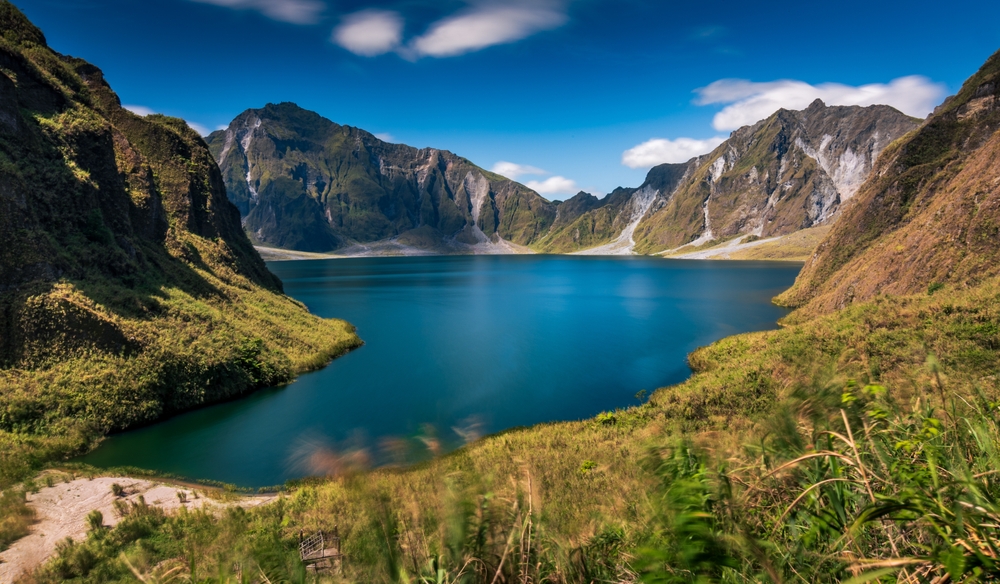
- Mount Pinatubo — crater lake accessible from Capas or Botolan, day excursion from Pampanga.
- Tarlac — neighboring province to the north, with the Monasterio de Tarlac sanctuary and Luisita waterfalls.
- Bulacan — to the south, historic province with Malolos, the first capital of the Philippine Republic.
Frequently asked questions
The dry season from November to April is ideal. December is particularly lively thanks to the giant lantern festival in San Fernando.
Buses depart regularly from Cubao and Pasay terminals to San Fernando and Angeles. The journey takes approximately 1.5 to 2 hours. Clark airport (CRK) also allows you to arrive directly from certain Asian cities.
Yes. The trek to the Pinatubo crater is typically a day trip from Angeles or San Fernando, with an early morning departure. A local guide is mandatory.
Sisig (grilled minced pork), Kapampangan tocino (sweet marinated pork), San Fernando longganisa, and kare-kare (oxtail stew in peanut sauce) are must-try local specialties.
Yes, the San Guillermo Church of Bacolor is open to visitors. Part of the building remains buried under Pinatubo lahars, making it a unique historic and memorial site.
The trails are moderately challenging. The north summit is more accessible than the south summit. A local guide is recommended for first-time visitors. Bring sufficient water.
Want to discover this destination?
Our local advisors design your tailor-made trip.