Corregidor Island
Corregidor Island
At the entrance to Manila Bay, Corregidor stands as guardian of Pacific War memories. Ferry, sites, practical advice to plan your visit.
Set foot on Corregidor Island and let yourself be guided through a living chapter of World War II. At the heart of Manila Bay, the island reveals its forts, tunnels and batteries that once defended the city's entrance. You'll blend adventure with historical understanding while enjoying sweeping views of the ocean and surrounding islands. It's a rendezvous point at the entrance to Manila Bay.
History
As early as the 16th century, the Spanish identified Corregidor as a strategic location and named it the "Isle of the Corrector" because all ships entering Manila had to stop there for inspection. Since then, the island has been at the center of numerous conflicts, from the Spanish-American War to American colonization.
The 1853 lighthouse remains one of the oldest monuments, while forts, batteries and casemates tell the story of battles that marked Corregidor. In 1941, during the Japanese invasion, the island served as a temporary headquarters for the Philippine government. American and Philippine troops defended Corregidor with determination, using underground tunnels as hospitals and ammunition depots. Despite their resistance, they were forced to surrender in spring 1942. Three years later, Allied bombing forced Japanese forces to surrender, concluding a crucial period of World War II.
Today, a Coveted Historical Destination
Corregidor Island goes far beyond history. It invites exploration, discovery and reflection. Today, it attracts visitors from around the world, fascinated by its strategic role and military remains. A visit gives you the chance to explore the island through its historical buildings, preserved intact as a tribute to the Philippine and American soldiers who fought and died there.
Pacific War Memorial
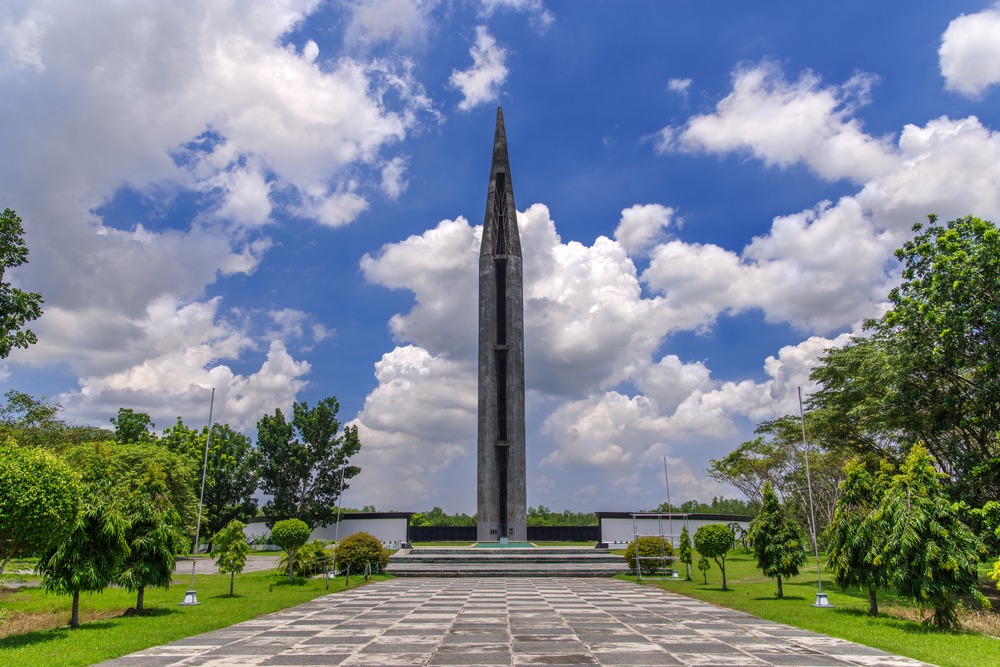
Atop the island, the Pacific War Memorial honors Philippine and American soldiers. The central rotunda houses a circular altar, illuminated every May 5th at noon by light passing through the dome's oculus, commemorating the courage in the face of 72 days of bombardment. Behind the monument, the Eternal Flame of Freedom rises 12 meters high.
Malinta Tunnel
The Malinta Tunnels plunge into the heart of World War II military strategies. Statues and underground passages retain all their historical intensity. Here you relive General Douglas MacArthur's departure and President Manuel L. Quezon's evacuation, discovering the ingenuity and resilience of Philippine soldiers and government.
Philippine Heroes Memorial
At Tail End, the Philippine Heroes Memorial spans 6,000 m² and tells centuries of bravery through 14 murals. Designed by Francisco Mañosa, this site honors Philippine fighters since the 15th century. Each mural and sculpture invites you to contemplate the courage of those who defended their country.
Japanese Garden of Peace
The Japanese Garden of Peace offers a space for reflection and serenity. You'll find shrines, commemorative plaques and objects evoking the passage of Japanese soldiers, as well as cannons and an exhibition pavilion, near the former Japanese military cemetery.
Corregidor Lighthouse
First lit in 1853 and rebuilt in the 1950s, the Topside lighthouse still guides ships today thanks to a modern solar system. The keeper's quarters and grounds bear witness to decades of presence and watchfulness on the island.
What to Do?
Ride the historic tram
Embark on a journey through time aboard a tramway inspired by Corregidor's railway network. Your guide recounts the island's story through captivating anecdotes and curious details that bring past events to life.
Explore the island by bike
To discover Corregidor at your own pace, venture out by bicycle. Traverse the long mile-long barracks or venture to South Beach along trails inaccessible by tram.
Nature hikes
The island is home to varied wildlife and flora you can observe along the way, such as monkeys, geckos, kingfishers and sparrows. They inhabit the trails and wooded areas.
Photography walk
Every corner of the island offers a subject worthy of a photograph. Whether you use a smartphone or professional camera, you'll find spectacular panoramas, lush nature and impressive architectural remains.
Visit the memorials and exhibitions
Corregidor is an open-air museum. Don't miss the Pacific War Memorial and Museum, the Philippine Heroes Memorial and the Japanese Garden of Peace. These sites showcase military history and tributes to soldiers while offering perspectives on Caballo Island.
Best Time to Visit the Island
Visit Corregidor during the dry season, from December to May, to make the most of outdoor sites.
From Siargao, join an organized excursion. These tours allow you to discover the island while adding one or two extra stops. For less than 35 USD, you can explore Corregidor and enjoy a second site.
If you prefer a more exclusive experience, rent a private boat. This option gives you the freedom to plan your itinerary and navigate at your own pace. Keep in mind that no public transport serves the island.
On the island, the main means of transportation is the Sun Cruises, Inc. tramway, also called the "Tranvia".
Want to discover this destination?
Our local advisors design your tailor-made trip.