Batangas
Batangas
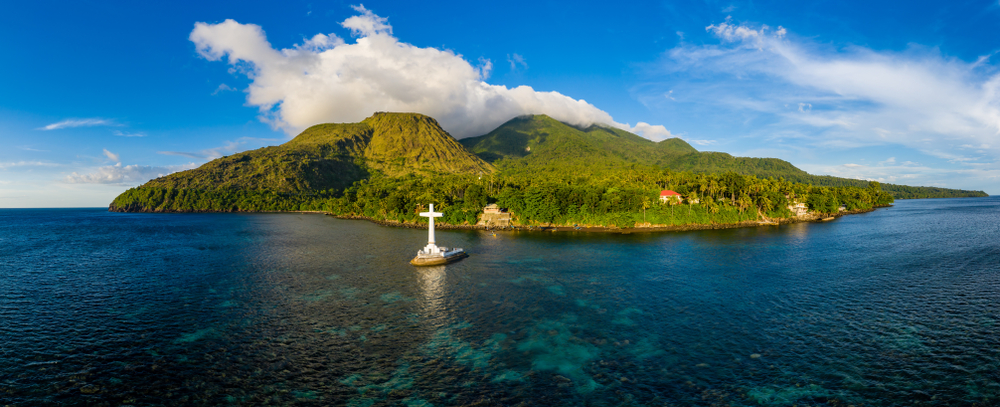
Just two hours from Manila, Batangas brings together Taal Volcano, the renowned diving sites of Anilao, the beaches of Nasugbu, and the colonial heritage of Taal Heritage Town.
The province of Batangas invites you to experience the best of the sea, land, and local culture. It impresses with the variety of its landscapes and activities on offer. Water sports, nature hikes, and exploration of historic sites await you here.
A Brief History
During World War II, Batangas was occupied by the Japanese imperial army. It suffered heavy losses, with numerous atrocities committed against civilians. Among the tragic episodes were the massacres of 328 residents in Bauan, 320 in Taal, 300 in Cuenca, 107 in San Jose, and 39 in Lucero. These events bear witness to the violence of the occupation and the suffering endured by the local population during this dark period in Batangas' history.
Origin of the Name
The province of Batangas has gone through several names over its history. It was first known as Kumintang, before the Spanish renamed it Bonbon, then Balayan, in reference to its capital at the time. When the capital was relocated to Batangas, the province's name changed again to reflect this new city.
The word Batangas comes from "Batang." This local term designates a raft, used by inhabitants to navigate the Calumpang River and Taal Lake. Residents of the province are called Batangueño or Batangueña. The traditional term "Batangan" is sometimes used as an adjective to describe anything related to Batangas.
Discovering Batangas
Batangas is located in the southeast of Luzon island, within the Calabarzon region. It is bordered by Cavite and Laguna to the north, Quezon to the east, the South China Sea to the west, and the Isla Verde passage to the south, which separates it from Mindoro island.
The province attracts travelers thanks to its beaches, varied coastlines, and renowned diving sites. Those interested in culture and gastronomy will also find authentic experiences to enjoy here.
Its capital, Batangas City, is a first-class city in constant expansion. Nicknamed the "Industrialized Port City of Calabarzon," it is home to more than 300,000 residents and stands out for its economic dynamism and strategic role as an urban and port center.
What to Do?
Adventure on Batangas' Beaches
Nasugbu Beaches
The beaches of Nasugbu are among the most famous in Batangas. Golden sand and clear waters provide the perfect setting to enjoy the sun or engage in water activities. At Calatagan, relax on the sand or venture into activities like jet skiing and paddleboarding. Fortune Island attracts visitors for its magnificent views and spectacular sunsets.
Sepoc Beach
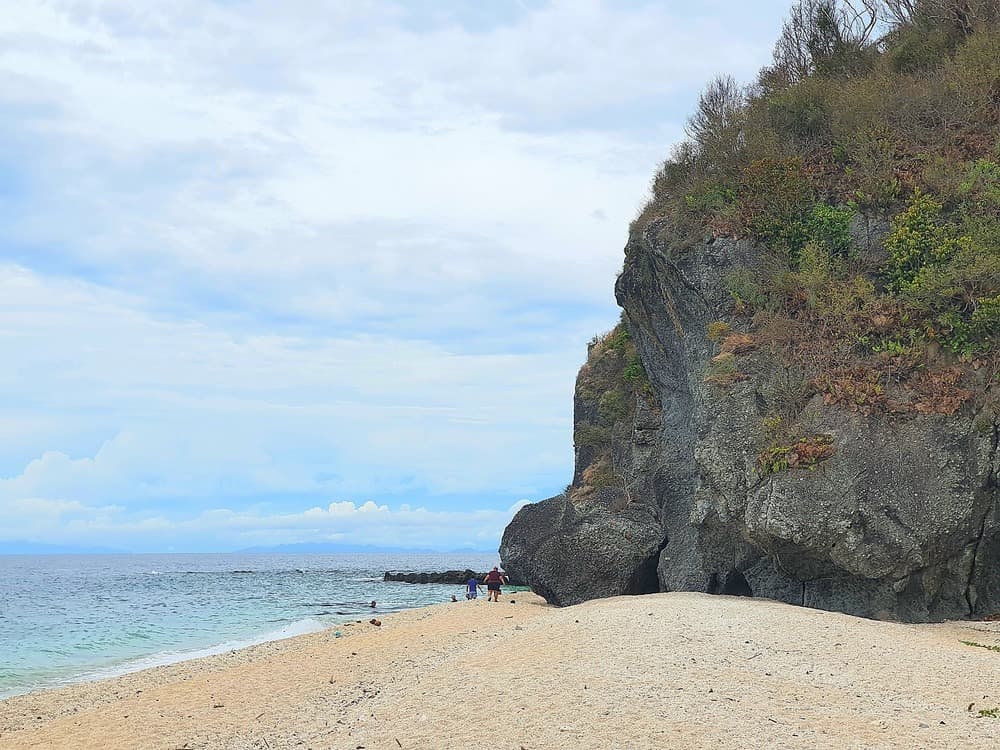
If you're looking for a more secluded setting, head to Sepoc Beach. It is only accessible by boat. Far from the crowds, this beach offers a peaceful atmosphere, with the sound of waves in the background and turquoise waters bordered by rock formations. You can enjoy the beach for relaxation or explore the surroundings in an exceptional natural environment.
Walks and Hiking
Mt. Malarayat Natural Reserve
The Mt. Malarayat Natural Reserve features well-marked trails conducive to exploration and observation of local biodiversity. The views from higher elevations reveal the diversity of landscapes and the region's beauty. The site is also a concrete example of conservation initiatives that protect Batangas' unique ecosystems.
Mt. Batulao Hike
Mt. Batulao offers trails suited to all levels, with remarkable panoramas at the summit. Along the way, observe local fauna and endemic vegetation that compose the landscape.
Water Sports and Diving
Surfing in San Juan
In San Juan, surf breaks welcome both beginners and experts. Local schools offer lessons to master the basics or perfect your technique. The relaxed beach atmosphere allows you to combine activity with downtime, with beachfront bars to refresh yourself after your session.
Underwater Diving in Anilao
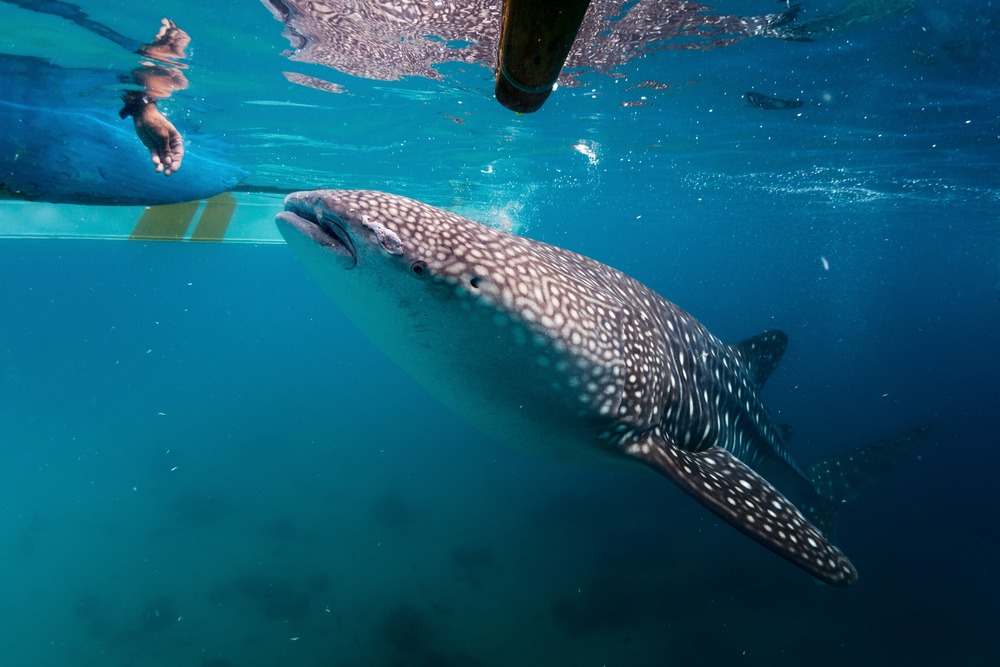
Anilao is renowned for its coral reefs and marine biodiversity. Diving sites suit all levels and allow you to explore coral gardens, tropical fish, and occasionally sea turtles. Excursions include iconic destinations such as Sepoc Beach and Sombrero Island.
What's the Best Time to Visit Batangas?
The dry season, from November to May, is the best time to enjoy the beaches and outdoor activities.
By Bus
Reach Batangas easily from Manila or neighboring provinces by bus. From Manila, board companies like ALPS the Bus, Ceres / Gold Star, DLTB, or JAM Liner. Departures take place from the integrated terminal in Parañaque (PITX), near Ninoy Aquino Airport, or from Cubao terminal in Quezon City. Manila–Batangas connections are frequent, with departures every 30 to 60 minutes.
From Quezon province, take Supreme Transport to connect Batangas City to Lucena with budget buses, or P&O Transport on the Batangas City–Tagkawayan route, with a luxury bus that stops only in major cities.
If you're coming from other Philippine islands, buses board ferries at Batangas port before heading to Manila, either via the main highway or via older, more scenic routes.
By Car
Drive to Batangas via several main routes from surrounding provinces. Cities like Batangas City, Lipa, and Tanauan are located along the STAR highway, the fastest route from Manila and Laguna. To avoid tolls, take the José P. Laurel Highway (Route 4), a parallel but older route often congested near major cities.
From Cavite, head via the Tagaytay–Nasugbu road (Routes 410/407), Ternate–Nasugbu (Route 407), the Diokno Highway (Route 410), or the Ligaya road (Route 421). From Quezon, take the Batangas–Quezon coastal road (Route 422) or the Batangas–Quezon road (Route 435) to reach the province following a more scenic route.
By Boat
Take a ferry to connect Batangas to other islands in the country. Most are roll-on/roll-off (RoRo) ferries that also transport vehicles.
- Puerto Galera: main tourist destination on Mindoro, approximately 2.5–3 hours' crossing.
- Calapan: provincial capital of Mindoro.
- Abra de Ilog: in the north of the island.
Ferries also operate connections to Romblon, Roxas City, and Caticlan port, close to Boracay. Board to plan your arrival according to your itinerary and accommodation destinations.
By Bus
Take a bus to reach most of Batangas' major cities and towns. Use the main roads, except for certain locations along Route 4, which are less served.
- Use BSC for regular routes between Batangas City and Nasugbu (via Tuy), Taal, or Bauan.
- Choose JAM to connect Batangas City to Lipa (via STAR), or Tanauan – Lipa – Batangas City – Lemery.
- Board Supreme to reach Lucena and major cities in the east via Routes 435 and 422.
Head to Santo Tomas for easy access to Manila, Quezon province, and the Bicol region.
Take a RoRo ferry from Batangas port to reach Calamba on Panay island or travel to Iloilo, Bacolod, and Dumaguete with your bus.
By Car
Drive along the province's national and provincial roads using the STAR and José P. Laurel highways as main axes. Rent a car to access areas less served by public transport. However, plan your parking spots in cities as they are often limited.
By Jeepney
Board a jeepney to reach suburbs or certain more distant cities from Batangas City or Lipa. Use them to travel along Route 4 or to reach Mabini resort complexes.
Also take air-conditioned UV Express minibuses to connect Santo Tomas to Batangas or Tagaytay to Cavite in both directions.
By Tricycle
Use tricycles for your downtown trips or to reach rural barangays. They represent a practical and quick solution for short distances.
Want to discover this destination?
Our local advisors design your tailor-made trip.