Siquijor Island
Siquijor Island
Between Bohol and Negros, Siquijor blends serene beaches, turquoise waterfalls, coral stone churches and healing traditions. The practical guide to plan your getaway.
Nestled between Bohol and Negros, Siquijor is the destination of choice for travellers seeking to venture beyond the Philippines' well-trodden paths. It offers abundant natural beauty, welcoming accommodations and dining options, plus an exceptional atmosphere shaped by ancient rituals and genuine hospitality. Here, time slows down—you explore at your own pace, swim in crystalline cascades, tour the island by scooter, or simply savour the tranquillity. Before you unpack, let's discover what this island gem has to offer.
History
Legend has it that when the Spanish arrived at Siquijor, they were startled by strange lights glowing in the forest at night. These were actually fireflies, yet the sight was enough to earn the island the name Isla del Fuego—the Island of Fire.
In 1565, explorer Miguel López de Legazpi officially set foot on the island. Spanish colonists later erected several structures, including the Church of San Isidro and the Convent of Lazi. Built in the 19th century, both coral stone edifices rank among the country's best-preserved colonial buildings.
Yet Siquijor's story extends beyond its colonial past. The island is renowned for its traditional healers, known as mananambal. For generations, they have prepared potions, medicinal plants and healing rituals—practices woven into the fabric of local life. For many Filipinos, these traditions feed into legend and intrigue.
A Brief Introduction to Siquijor
Siquijor lies in the central Visayas, cradled by the Bohol Sea. It ranks among the Philippines' smallest provinces, yet remains easily accessible from Bohol or Negros. The landscape shifts between verdant hills, forests and tranquil coastlines. Venture inland from the shore and you'll traverse rural terrain where traditional practices—such as the use of medicinal plants—remain deeply rooted. These elements define the island's character and often become part of any visitor's experience here.
What to Do and See
Visit Cambugahay Falls
Head to Cambugahay Falls, a three-tiered cascade where each level features a pool for swimming. The main basin comes equipped with ropes—swing as many times as you wish. Entry is free and the site is accessed via 150 steps; no guide is required.
Observe Butterflies at Siquijor Sanctuary
Take your two-wheeler into the central highlands to discover the Butterfly Sanctuary. Lovingly maintained by a passionate local, this intimate garden nurtures several native species, which are regularly bred and released. You'll spot stunning specimens, chat with the owner and sip fresh coconut in the shade.
Unwind at Tubod Beach
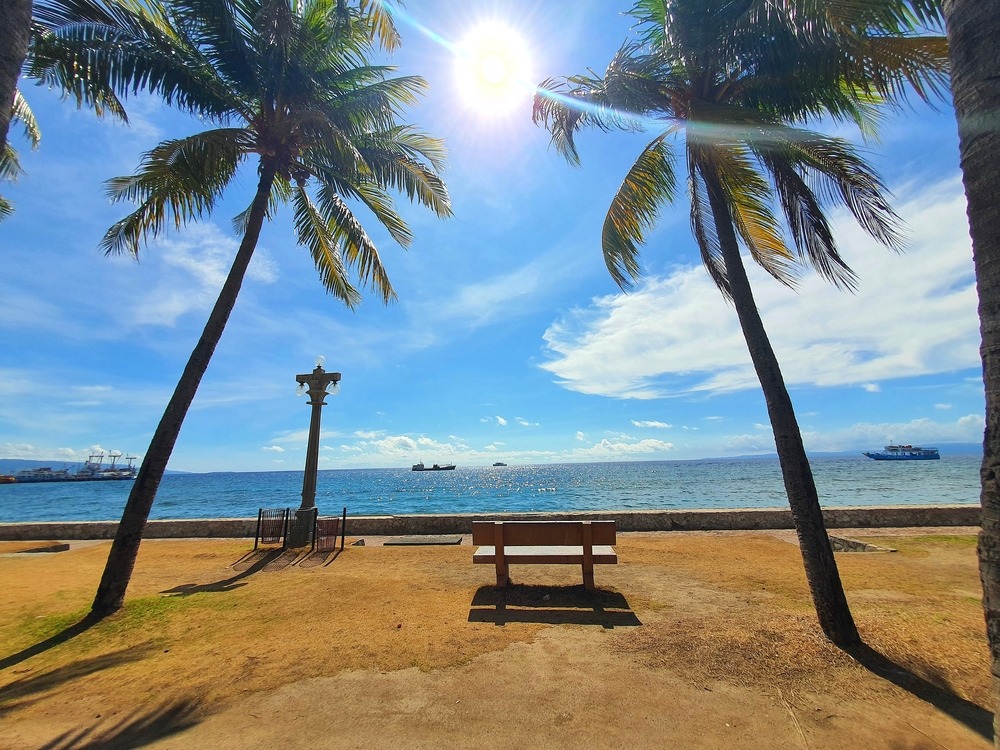
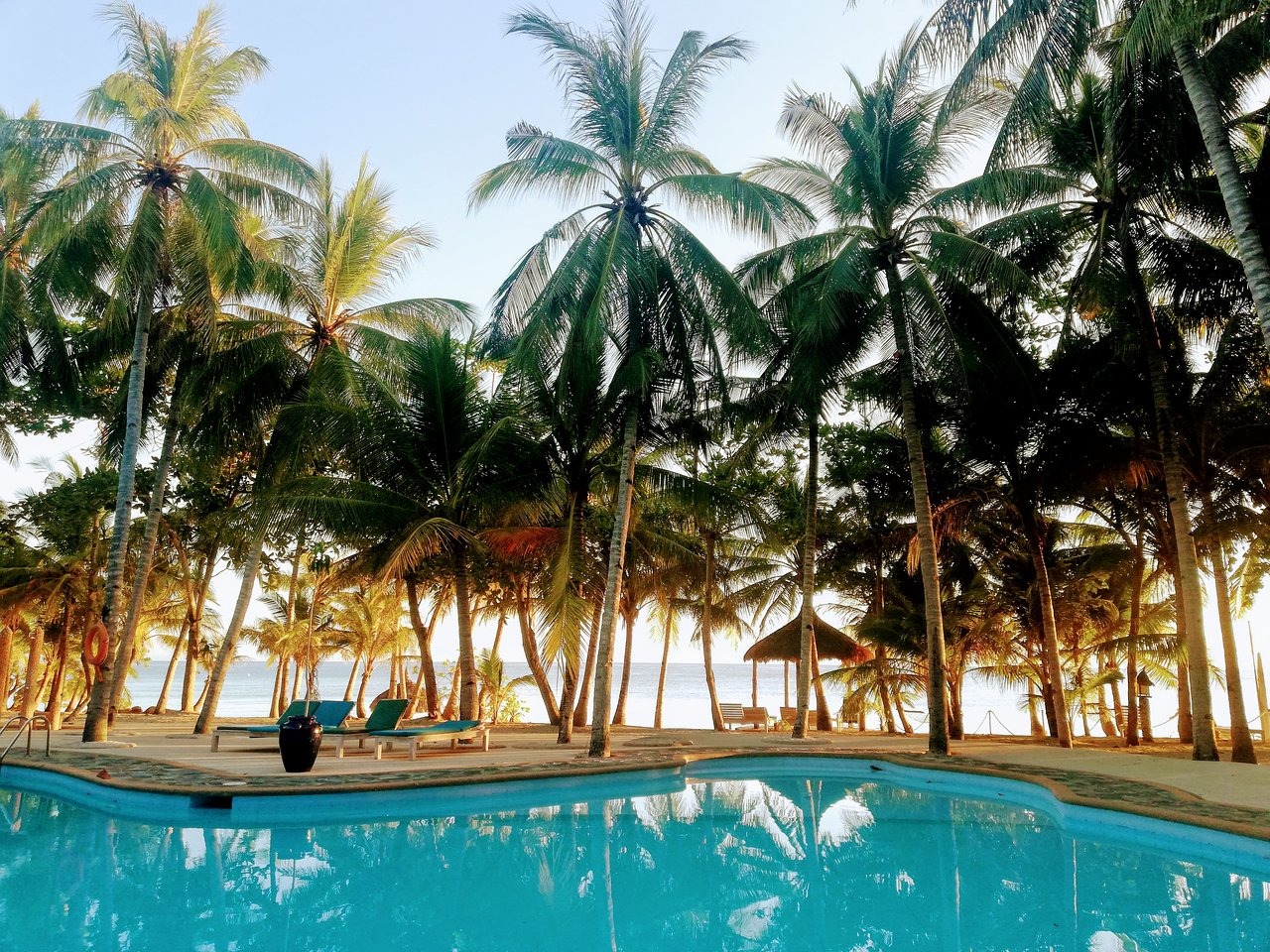
Settle onto Tubod Beach, facing Coco Grove Resort. It's a peaceful spot perfect for rest. A marine sanctuary sits just offshore, but avoid swimming there—the corals lie too close to the surface, even at high tide, risking damage or injury. If you do enter the water, watch for sea urchins and jellyfish.
Cliff Jump at Salagdoong
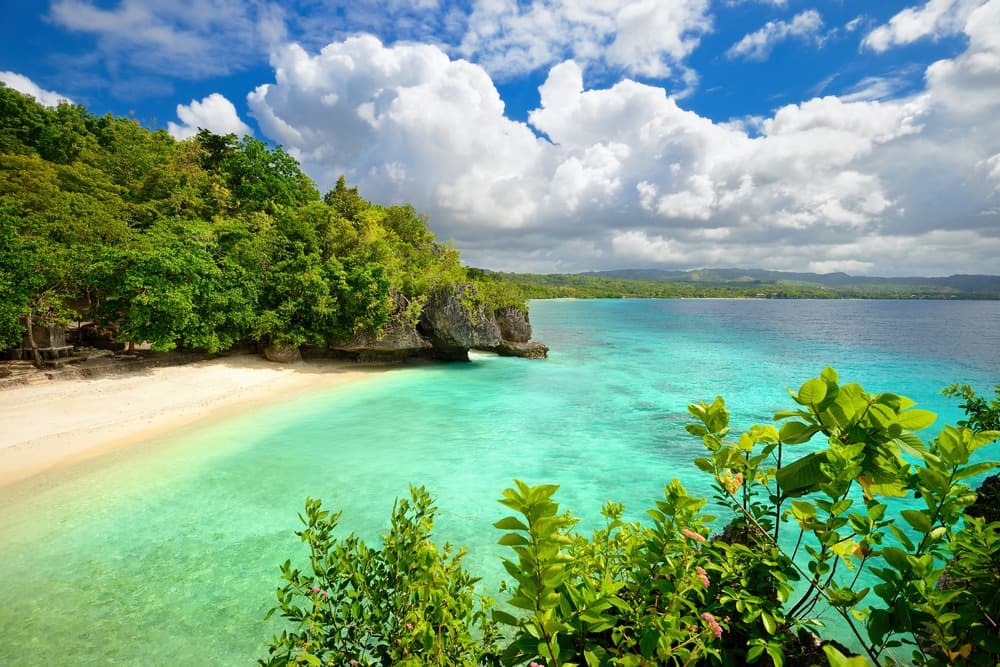
Drive to Salagdoong Beach Resort on the island's eastern coast. Here, you can leap from a 10-metre promontory perched atop a rocky outcrop. Access is straightforward, but check the tide—jumping is only safe at high water. A small white-sand beach nearby offers a place to rest afterwards.
Explore the Churches
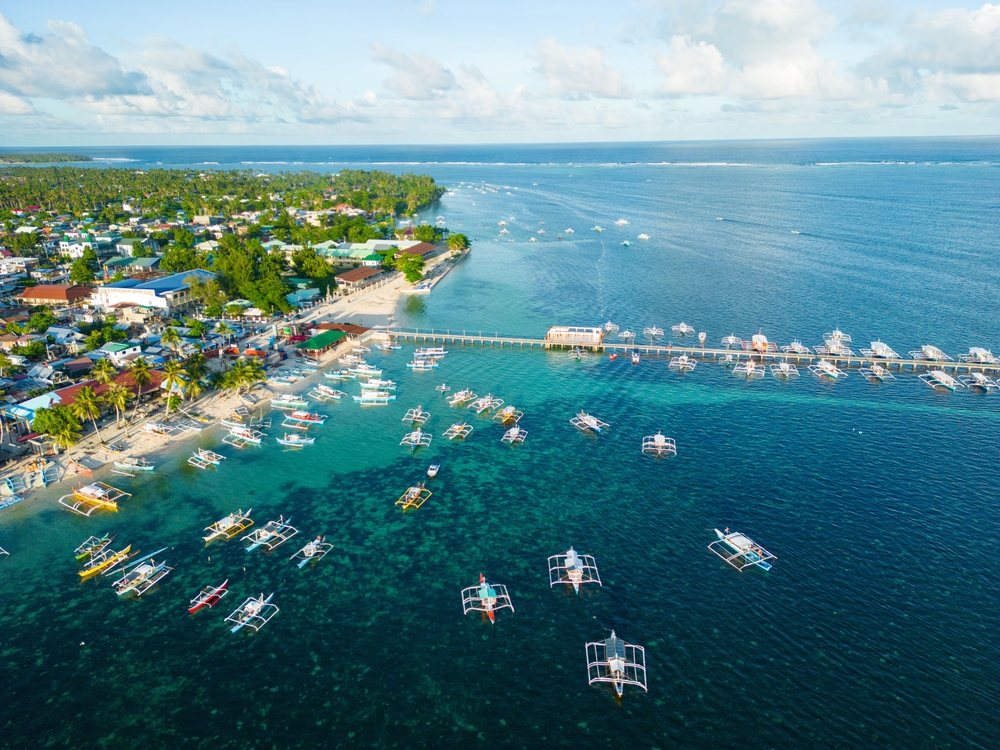
During your time on the island, visit its historic churches. As your ferry arrives, you'll spot the Church of San Isidro Labrador near the port. Touring Siquijor, you'll encounter others, each with distinct character. Several welcome visitors—step inside to discover their interiors.
Stop at the Legendary Balete Tree
Pause at the ancient Balete Tree, one of the island's most iconic stops. At its base, a freshwater spring forms a small pool where you can dip your feet while fish nibble away dead skin. The place carries a mysterious air; many consider it enchanted.
You'll find small stalls selling local potions and souvenirs, and guided tours are available if you'd like deeper insight.
Take in the Mountain View
On your way to the Butterfly Sanctuary, pause at the spot marked "Quesol Mountain View." A short trail—just five minutes uphill—leads to a hilltop with a lovely panorama across the surrounding countryside. The walk is easy, the climb brief and the vista rewarding.
Discover Lugnason Falls
Detour to Lugnason Falls. Access is simple: parking is provided, then a short staircase leads straight to the pool. You'll find two jump spots and a pleasant swimming area. Less crowded than other island cascades, these falls offer an ideal nature break if you're passing through.
When to Visit Siquijor
Siquijor enjoys pleasant weather from November to May. For the best conditions, December through March are your prime months. It's wise to avoid April to June, often marked by more intense heat.
From Manila
Fly from Manila to Dumaguete. At the airport, reach the port by tricycle for around 100 pesos, or take a jeepney to the city centre and walk to the port. Once there, catch a ferry or fastcraft to Siquijor.
From Cebu
From Cebu, take a bus from the south terminal toward Liloan—about five hours. At Liloan, ferry to Sibulan, then jeepney to Dumaguete. From there, a tricycle takes you to the port for your onward journey to Siquijor.
By Scooter
The most straightforward option is to rent a scooter—readily available through your accommodation or local agencies. Always wear a helmet and carry your licence; checkpoints are frequent and fines can reach 3,000 pesos.
By Tuk-tuk
For trips with luggage, a tuk-tuk works well. From port to San Juan costs around 150 pesos; expect up to 500 pesos to reach Cambugahay Falls.
Accommodation in Siquijor Island
Want to discover this destination?
Our local advisors design your tailor-made trip.